The Overlooked Culprit Behind Age-Related Muscle Loss
Longevity

The 5-minute wellness digest trusted by 1.1M+ readers.
Our 5-minute wellness digest helps over 1.1 million readers cut through the noise with science-backed health insights, practical tips, and recommendations for living well.

Every day we publish stories that cut through the noise with expert insights, science-backed advice, recipes, and thoughtful tips for living well. These are the ones we think you should read.
 Sleep
Sleep 
This high protein egg salad gets its creaminess from Greek yogurt and its kick from chili oil, all piled onto a crispy toasted bagel. It packs 25 grams of protein and comes together in about 20 minutes.
 Recipes
The best foods that lower blood pressure are rich in potassium, like leafy greens, beets, beans, berries, and fatty fish. Here’s what the research shows about the DASH diet and how to make it a habit that lasts.
 Nutrition
  Nutrition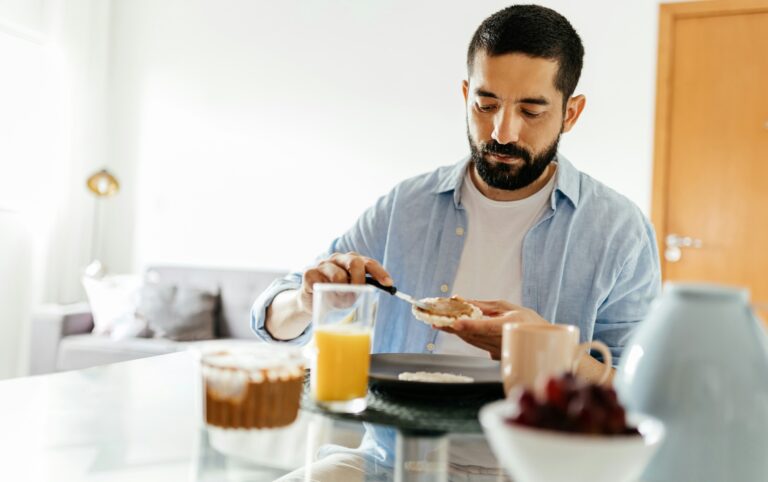
A large new study found that people with the most irregular eating patterns were 55% more likely to report depressive symptoms, with breakfast skippers facing the highest risk. Here's what the research means for your daily routine.
 Mindfulness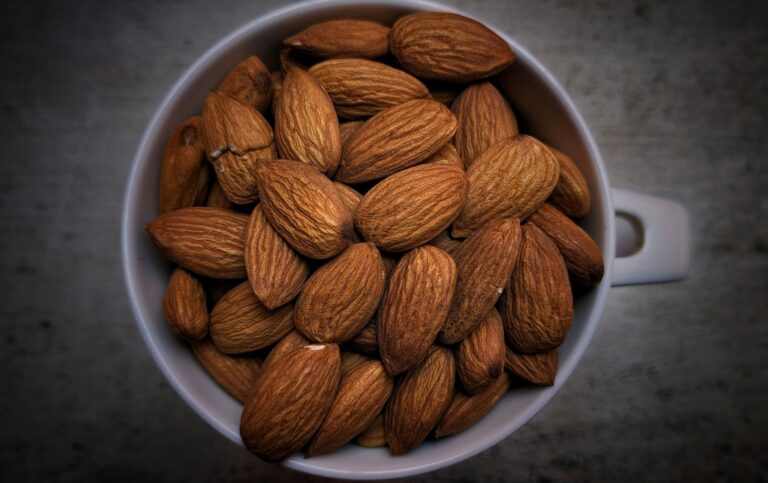
Other nuts still deserve a spot in your diet, but almonds may be one of the healthiest of the bunch.
Nutrition 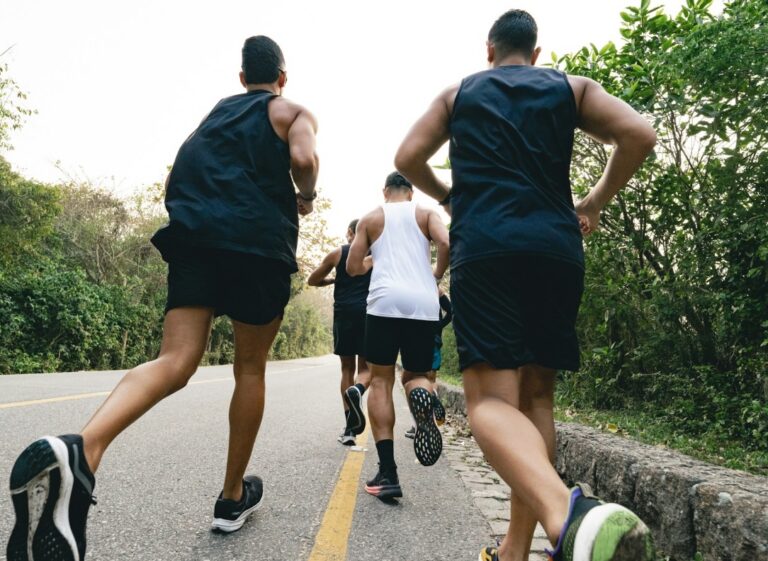
Runner’s High: Do you want to love running, but find yourself breathing like this camel every time you jog a few strides? Good news: That’s fixable! You, too, can become a better runner with the right tips and tricks. How to Do It: Start slower than you think you should, and don’t jump right in: complete a proper warmup to get blood flowing and loosen up your joints. Alternate jogging with walking, and build your distance and pace gradually. Find a running buddy or join a local group to make showing up more fun (and harder to bail on). And don’t skip strength training: Squats, lunges, and calf raises can build the muscles that help power your stride and minimize risk of injury. The Benefits: Running comes with a seemingly endless list of mental and physical benefits. For one, the elusive runner’s high feels like magic. Regular running also builds cardiovascular fitness and endurance. Strength training can improve running economy and performance, while gradually increasing your workload helps you avoid doing too much too soon. You might not fall in love with every mile, but you can make the next one feel a little easier.
 Fitness
You don’t need hours in the gym to see real health benefits. Research shows that about 90 minutes of resistance training and 30 minutes of cardio each week, roughly 1% of your week, can lower your risk of early death, heart disease, and dementia.
Fitness 
You Should Know: It’s common for cyclists to wonder if all those hours in the saddle could affect their chances of having kids. Given how uncomfortable those saddles are, it’s not an unreasonable question to ask. There’s some science to back it up, too. A 2011 study of about 2,200 men at fertility clinics linked riding five-plus hours a week to lower sperm counts and less-active sperm. But does that mean cyclists are risking their fertility by riding? Going Deeper: Fertility doctors generally aren’t too concerned about cycling, apparently. Men typically produce far more sperm than conception requires, so recreational riding is unlikely to meaningfully affect fertility. Intense, prolonged cycling may lower sperm count a little, particularly in men who already have low sperm count, though the evidence remains limited. For women, only elite-level training combined with inadequate energy intake raises a flag, since very low body fat can disrupt menstrual cycles and ovulation. Takeaway: Recreational riders can keep on pedaling, worry-free. But hardcore riders who are trying to conceive may want to discuss their concerns with a doctor. They can opt for a cut-out saddle and stand up on the pedals periodically to ease pressure (though these adjustments haven’t […]
Fitness 
You Should Know: Life gets busy, and sometimes the gym habit falls apart for a while. Plenty of people come back convinced their muscles have morphed into fat. The good news? There’s no known process in the body that can make that happen; muscle and fat are entirely different types of cells, so one can’t become the other any more than an orange can become an apple. Going Deeper: Here’s what’s actually going on: Muscle cells shrink without regular training, and fat cells can grow if eating habits stay the same while your energy expenditure drops. A 2020 review found fat tissue may also get better at storing energy once exercise stops, though most of that evidence comes from rats. These changes take time, though, and a few weeks off generally won’t lead to noticeable changes in muscle size. Takeaway: The softer look after a break comes from losing some muscle and possibly gaining some fat at the same time. So if you’re taking a gym break, staying generally active helps, as does keeping protein high while cutting calories a bit. Bottom Line: Muscle can’t become fat, so a break won’t erase all your progress.
Fitness 
Pumpkin and apple add flavor, fiber, and a little real nutrition to dessert. Here are six healthy fall desserts worth making, from muffins to apple crisp.
Nutrition 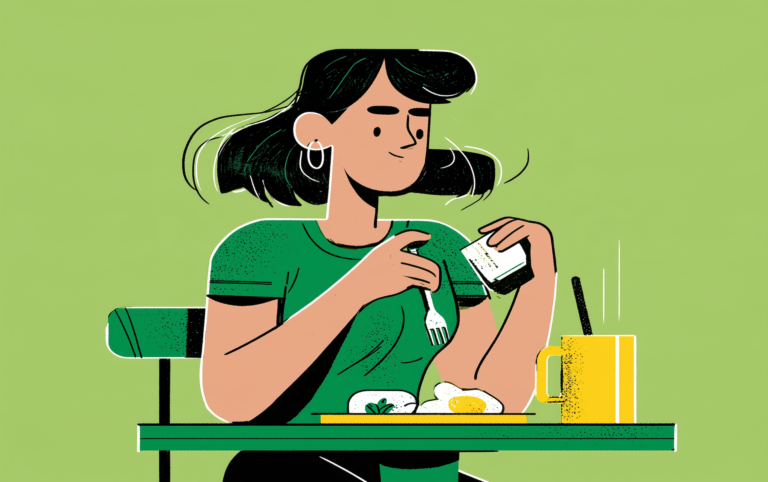
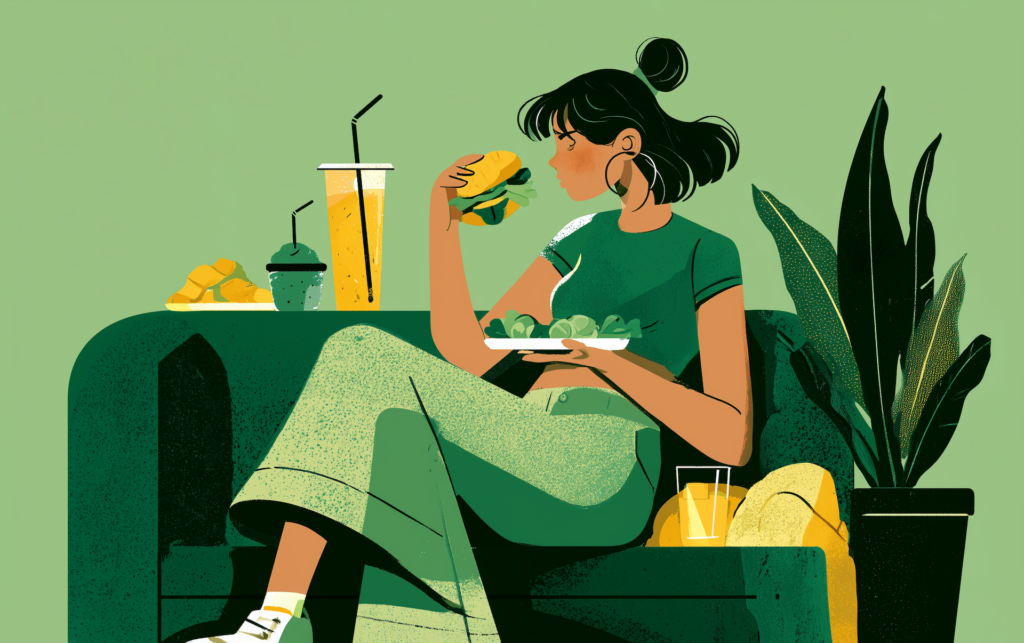
Mornings don’t need to be complicated. Here are eight easy healthy breakfast ideas built on protein and fiber, most ready in five minutes or less.
Nutrition 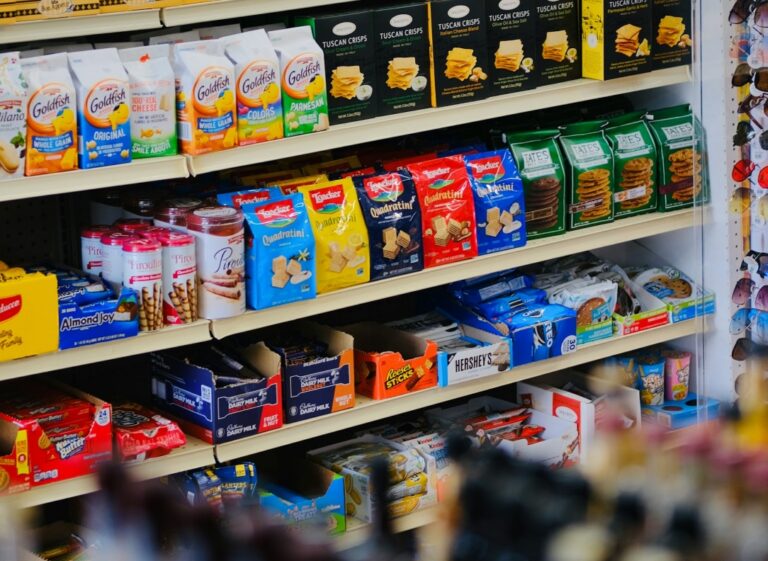
Gut Check: We’ve heard a lot about the potential dangers of ultra-processed foods (UPFs) and their link to many serious health conditions, including obesity, cardiovascular disease, and some cancers. UPFs now account for about more than half of the calories consumed by the average American. But one recent study has found no connection to UPFs and colorectal cancer (CRC), complicating some previous research on the topic. The Study: Researchers from the National Cancer Institute reviewed self-reported dietary-intake data from 461,682 U.S. adults aged 50 to 71 who’d enrolled in the NIH-AARP Diet and Health Study in 1995 through 1996. The median UPF intake was 1,000 calories per day or 43% of daily caloric intake. All participants were cancer-free at the time of their enrollment and were followed through 2018 to determine which of them developed CRC. Researchers determined that UPF intake was not associated with CRC incidence. The Takeaway: Not all UPFs are equal. Whole grains, fiber, dairy, and calcium from UPF sources were inversely tied to CRC incidence, but processed meat was positively associated with CRC incidence, in keeping with current nutrition guidelines. Keep In Mind: The study was observational, so no causation can be drawn from the findings.
Nutrition 
A new observational study links higher blood levels of xylitol to more heart attacks and strokes. Here’s what the research found and what it can’t tell us yet.
Nutrition 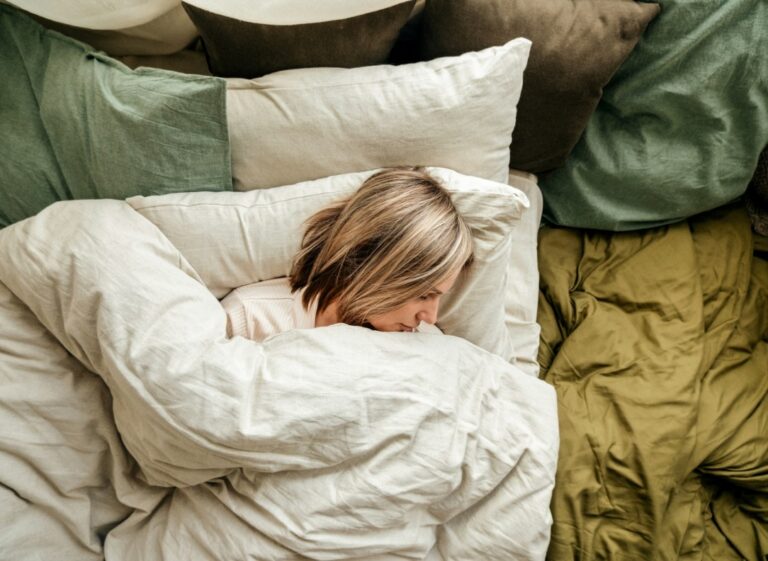
Sleepy Head: At this point, eight hours is practically synonymous with a good night’s sleep, so constantly falling short can feel like a personal failure. But new research suggests that the standard recommendation isn’t right for everyone. A year-long study of 462 adults found that a personal sleep threshold more accurately predicted how people felt the next day. Finding your sweet spot starts with figuring out your own normal, and it might not be the typical 8 hours. How to Do It: For a couple of weeks, track when you fall asleep and wake up, either by wearing a wearable or a simple log using pen and paper. Also take note of your mood and how you feel. Then find the amount of sleep you get most often (not the number you “should” be getting), and notice how your mood and focus feel the next day. That feedback reveals more than the number on your sleep tracker, and logging your headspace allows you to see patterns develop over time. The Benefits: It’s no secret that good sleep — in both quantity and quality — makes a world of difference in how we feel. But it’s about more than that. Prolonged […]
Sleep 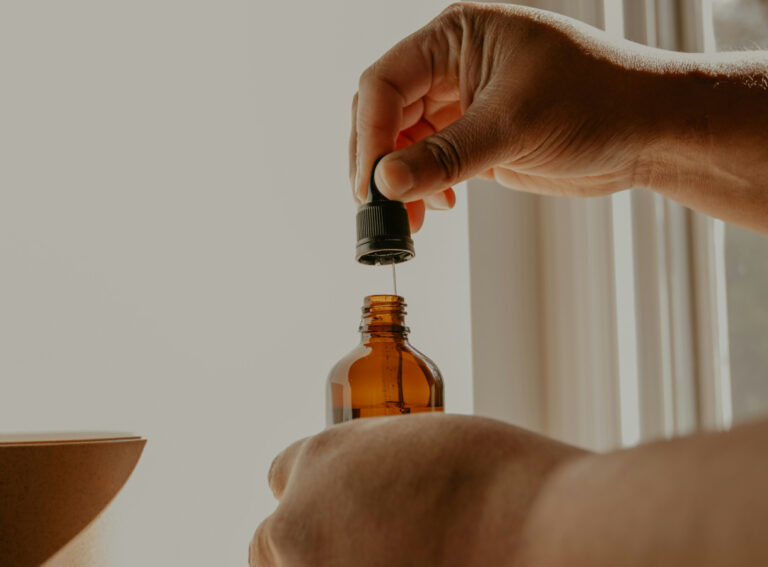
Burning the Midnight Oil?: Lavender has long been a go-to aroma for relaxation and sleep, but a less-familiar essential oil may present another option. A small study recently found an association between Japanese Hinoki root oil and improved sleep. The Study: Japanese researchers developed a blind crossover study to examine the effects of essential oil distilled from the root of the Hinoki (Japanese cypress) tree. 12 Japanese women ages 35 to 60 spent two weeks smelling Hinoki oil before bed and two weeks sniffing an unscented control. They inhaled three drops of oil in a paper cup for 10 seconds, then placed it 30 centimeters away overnight. Participants wore headbands to record brain waves and wristbands to track sleep, and completed a questionnaire each morning to report how they slept and how they felt upon waking. The Takeaway: Repeated exposure to Hinoki root oil was linked to better morning alertness and less fatigue. The sleep trackers and headbands recorded fewer nighttime awakenings and brain-wave changes associated with smoother sleep progression. Keep in Mind: The findings came from a very small pilot study, so it’s too soon to say whether the oil will meaningfully improve sleep for a broader population. While […]
Sleep 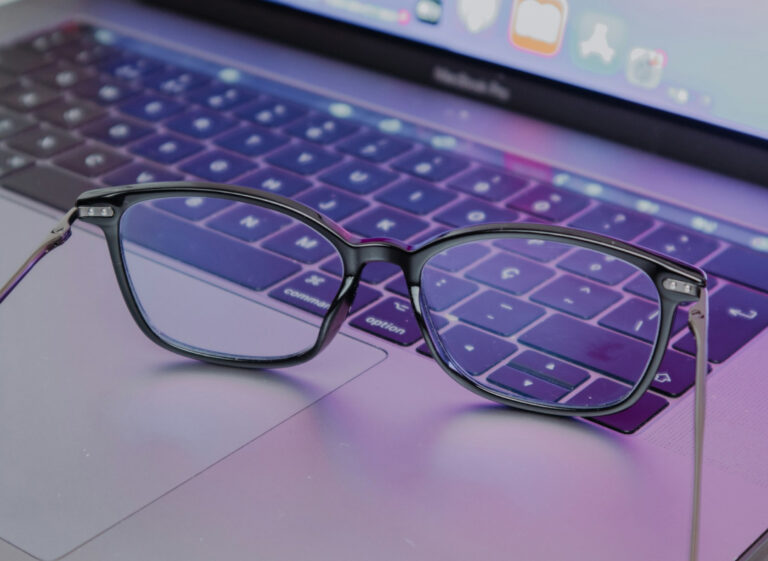
You Should Know: Blue light is often blamed for everything from tired eyes to headaches and sleepless nights. Blue light–blocking glasses seem like an easy fix, but research has found they may not live up to the hype. Going Deeper: Not all blue light is bad — and not all of it comes from screens. The biggest source of blue light is the sun, and it plays a role in normal vision and helps regulate the body’s internal clock. But when we stare at a screen, we blink less and focus for too long on close-up objects, which dry out the cornea. Experts say these factors, rather than blue light itself, are more likely to explain digital eye strain and screen-related headaches. Takeaway: When it comes to sleep, wearing the glasses before bed may help some people, but the evidence is still mixed. Evening light exposure is what disrupts melatonin production and affects sleep — and blue wavelengths are particularly effective at doing so. However, the brightness, timing, and amount of light exposure also matter. Bottom Line: Taking regular screen breaks, not sitting too close to screens, and dimming them and other lights at night are practical ways to reduce […]
Sleep 
The military sleep method is a five-step relaxation technique that promises to help you fall asleep in just two minutes. Learn how it works, what the research says about its building blocks, and whether it’s worth adding to your bedtime routine.
Sleep 
Pain Gap: Pain is the biggest contributor to disability worldwide, but it’s very difficult to measure. There’s no objective biomarker for pain, so it’s entirely self-reported and subjective. But a new study of pain data from more than six million people worldwide found that women consistently experience pain more than men. The Study: Researchers “harmonized” self-reported pain data from 902 studies of more than six million people aged 5 to over 100 from 118 countries to determine how pain was distributed globally and across the lifespan. Women’s self-reported pain was higher than men’s at every bodily site that was studied. Women’s pain also rose steeply before age 55, during prime career and reproductive years. The Takeaway: The gender pain gap is real. Research has shown women experience more pain and that their pain is more likely to be dismissed, underdiagnosed, and undertreated — especially in Black women. Experts say being proactive about pain management can help women, but that the medical community also must address its own bias and gaps in education. Keep in Mind: Pain metrics varied across the included studies, but experts say these limitations don’t affect the overall pattern of pain that emerged.
Mindfulness 
Your Own Worst Critic: That little voice inside your head that replays every awkward interaction and keeps score of your mistakes can be exhausting. Eventually, those harsh judgments can start to feel like who you really are. However, there’s hope for those of us who are harsh self-critics. A new study tracking the mindfulness of 194 university students for six to eight months suggests a simple mindfulness trick might loosen the grip of what researchers call self-stigma (internalizing negative thoughts about yourself). How To Do It: Next time you start criticizing yourself, stop and instead turn your attention to your breath. There’s no need to change how you’re breathing; the point is just to notice it. Then try naming the harsh thought, so “I messed up” becomes “I’m having the thought that I messed up.” Once you see it as just a thought — not a fact — it’s a lot easier to question whether it’s even true. The Benefits: Students who scored higher on mindfulness had less self-stigma and fewer depressive symptoms months later. They also reported greater well-being, and lower self-stigma helped explain why. Small habits, like paying attention to your breath and naming your thoughts, may help quiet […]
Mindfulness  Mindfulness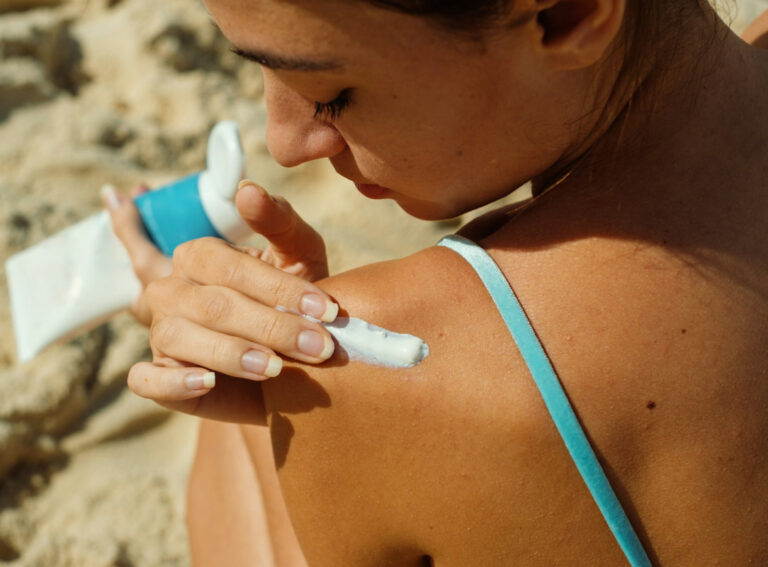
The Trend: For years, sunscreen devotees have toted home formulas from Europe and Asia, chasing lightweight textures and invisible finishes that have seemed impossible to find in the U.S. Now, the American sunscreen aisle is finally catching up. In June, the FDA approved bemotrizinol (BEMT), the first new active sunscreen ingredient added to the U.S. lineup since the 1990s. The first formulas featuring it are hitting shelves now — just in time for winter. What People Are Saying: Long popular in Europe and Asia, bemotrizinol absorbs both UVA rays, which contribute to skin aging and skin cancer risk, and UVB rays, which cause sunburn. It’s also photostable, meaning it holds up well in sunlight, and can help formulators create lightweight sunscreens without the chalky white cast that turns some people off. Its relatively low skin absorption and decades of international use add to its selling points. What to Know: Why the wait? The FDA regulates sunscreen as a drug, making approval of new UV filters a lengthy process. This is in contrast to some other countries, which classify sunscreen as a cosmetic. Also, bemotrizinol expands manufacturers’ options, but it isn’t a miracle ingredient: a formula’s overall protection and feel depend […]
 Beauty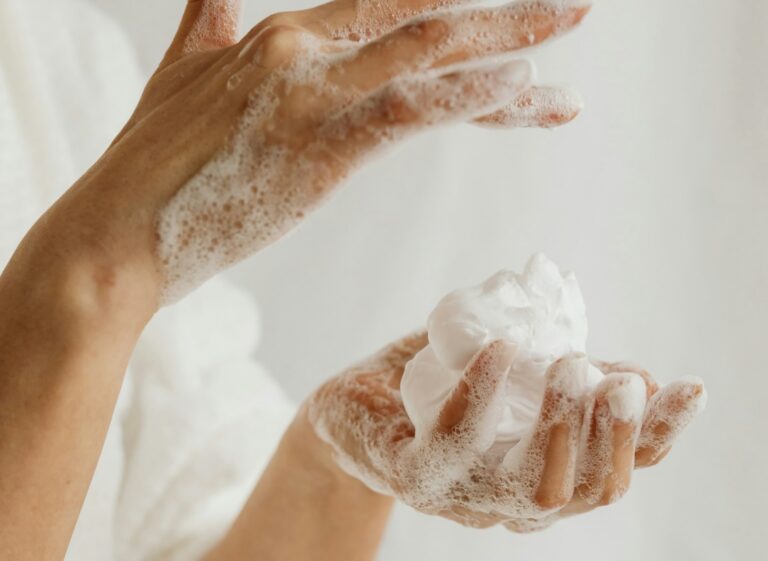
The Trend: Taking a shower may seem pretty straightforward, but if you’re washing only once, proponents of “double cleansing” would like a word. The practice is blowing up on #ShowerTok, with fans claiming they smell better and feel more clean and hygienic. Retailers are also getting in on the game, offering double-cleansing product bundles. But some dermatologists think double cleansing may do more harm than good. What People Are Saying: The term “double cleansing” isn’t new, but it was previously reserved for the face and the hair. It makes some sense when it comes to those. The face, in particular, is often laden with makeup, sunscreens, and serums, which can block pores. In that regimen, you start with an oil cleanser to dissolve the products, followed by a water-based cleanser. What to Know: The rest of the skin needs its natural protective layer of oil and lipids to stay healthy. Stripping it away by overcleaning can make skin dry, irritated, and itchy — especially in the colder months when the air is more dry. Dermatologists say a single round of washing, plus once-weekly exfoliation, is sufficient, except when you’re extra-grimy or sweaty.
Beauty  Beauty
You Should Know: There’s no shortage of health-related old wives’ tales, like that swimming right after eating will cause cramps or swallowed gum takes seven years to digest. As cold and flu season commences, here’s another one you may have heard growing up: Going outside in the cold with wet hair will make you catch a cold or pneumonia. Is it true? Going Deeper: The origin of this myth involves Louis Pasteur and some chickens. Pasteur was researching anthrax and found when he lowered the body temperatures of chickens, they contracted anthrax and died, but when he warmed them, they survived. The experiments were later replicated in humans by other researchers. Ultimately, the experiments showed how body temperature can influence how humans and animals fight infections, but this got misinterpreted as cold temperatures causing illnesses. Takeaway: Cold weather creates better conditions for viruses and other pathogens to survive, but it’s the germs that make us sick, not the cold or wet hair. We catch respiratory viruses through contact with bodily fluids from sneezing, coughing, and touching contaminated surfaces. Bottom Line: Wet hair in cold weather might make us feel cold and could even freeze our locks, but it won’t make […]
 Personal Growth
The Trend: Many smokers started using vapes as an alternative to cigarettes, but new data shows that a growing number of people developed a vaping habit — even though they’d never smoked in the first place. The rates of people vaping in Great Britain who weren’t smokers before have nearly doubled in four years. Currently, about 5.4 million people ages 16 and up in England, Scotland, and Wales use e-cigarettes, and more than a million of them never smoked before they picked up a vape. What People Are Saying: In Great Britain, vapers tend to be younger — mostly between 25 and 34. In a BBC article, young British vapers talked about the ease of vaping compared to smoking, better taste and smell, and that pleasant nicotine hit. Not only that, but the cheery, colorful packaging of e-cigs is a far cry from the purposely disturbing UK cigarette packaging. What to Know: Vaping rates are increasing in the U.S., too, also among young people. Tobacco use has declined, but nicotine use has been steadily trending upward for several years. While vaping is considered to be safer than cigarettes, it’s not completely riskless — certainly for people who hadn’t previously experienced […]
Personal Growth  Personal Growth