What Happens When You Start “Eating Biblically”?

Anita Austvika/Unsplash
The Trend: On social media, raw milk and sourdough have recently become staples of “biblical eating,” a diet inspired by foods mentioned in Scripture and centered on whole or minimally processed ingredients. The idea isn’t exactly brand new, but it’s found a second life alongside the Make America Healthy Again movement and other wellness trends (think avoiding seed oils and beef tallow for skin health). And now creators are selling coaching sessions and guides that frame their food choices as a way to fight back against processed eating.
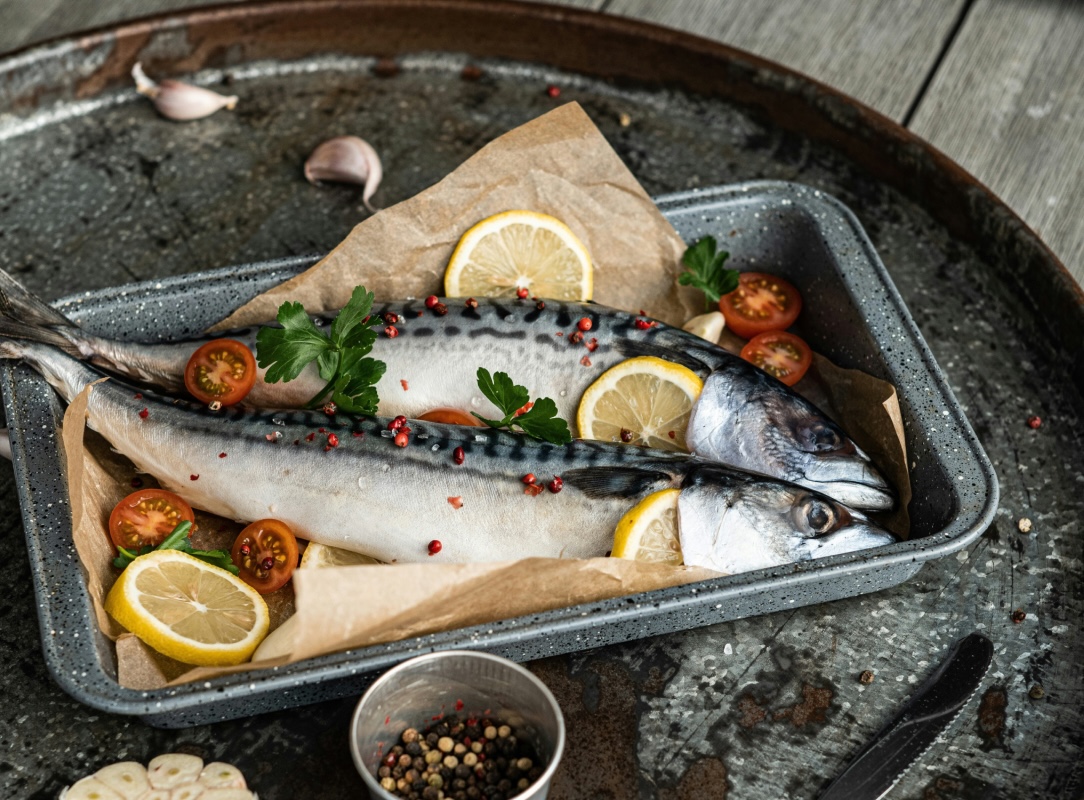
What People Are Saying: One creator with half a million followers has followed the pattern for eight years and credits it with clearing her skin and lifting her mood. However, experts say that while foods mentioned in the Bible, such as fish and olive oil, can support a healthy diet, “biblical eating” isn’t an official or research-backed pattern, and cutting out entire food groups can lead to nutrient deficiencies.
What to Know: So-called biblical eating overlaps significantly with the Mediterranean diet, which has a ton of research supporting its health benefits. But treating certain foods as forbidden can lead to restrictive habits that aren’t good for everyone.