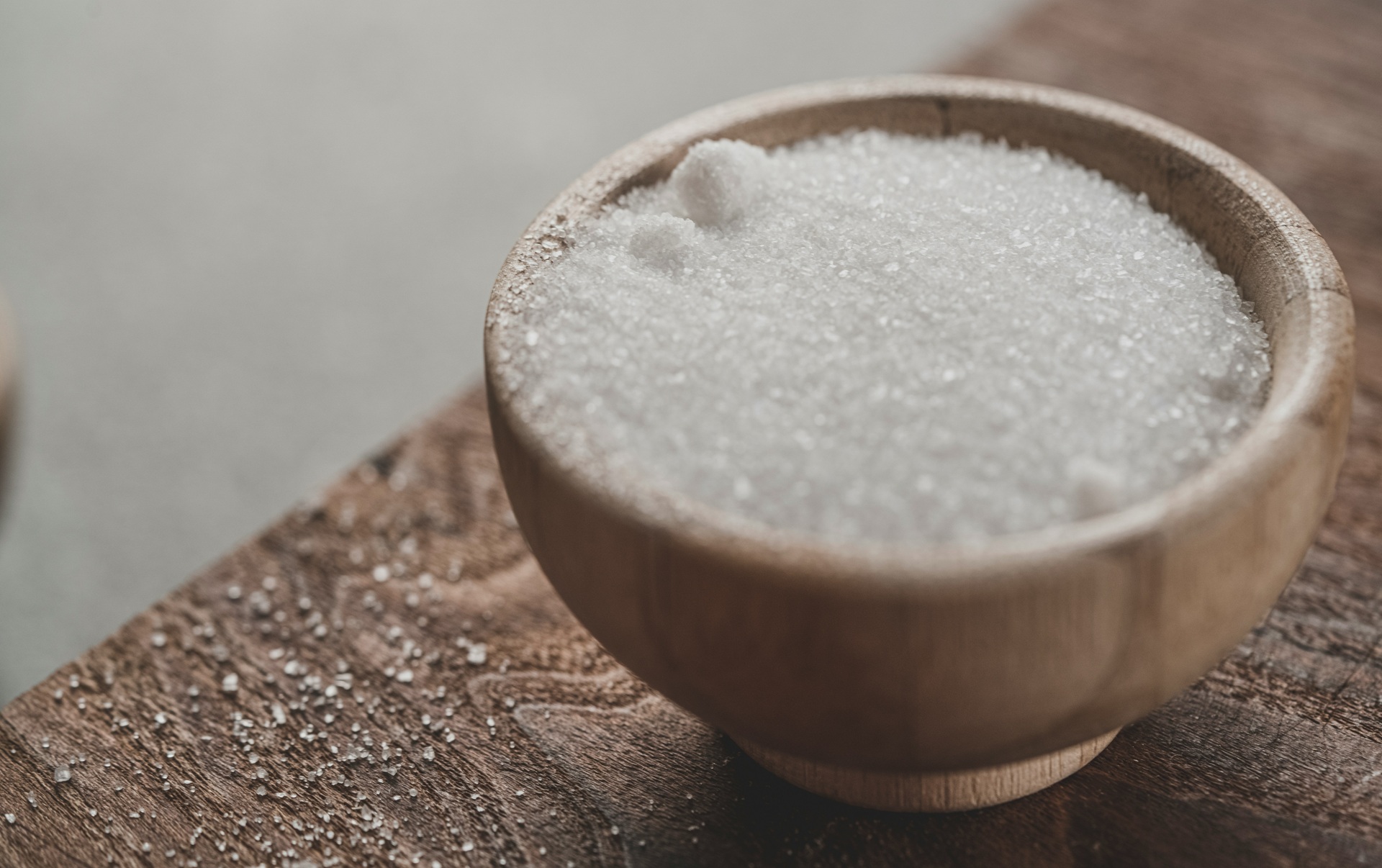
The Common Sweetener Linked to Heart Attack and Stroke Risk

An observational study suggests those who consume the most xylitol are at the highest risk for heart-related events further down the line.
If you’re concerned about your sugar and calorie intake, follow certain diets, or have a health condition like diabetes, you’re probably familiar with artificial sweeteners like xylitol. These sugar substitutes help cut down on the negative effects of sugar without sacrificing flavor. But their effects on heart health haven’t been well-documented, until now. New research presented at the European Society of Cardiology Congress 2026 suggests this go-to artificial sweetener may actually put you at higher risk of cardiovascular events, like heart attack and stroke.
What You Should Know About the Sweetener
Artificial sweeteners, like xylitol, are found in sugar-free candies, gum, keto-, and diabetes-friendly treats, and even mouthwash and toothpaste. The sugar alcohol is a good sugar substitute because it tastes sweet, but is lower in calories and doesn’t have the same insulin-spiking effect on blood sugar levels.
However, the long-term effects of xylitol and other sugar substitutes are not well-researched.
“Artificial sweeteners are consumed by people who think they are healthier than sugar, and they are generally regarded as safe by regulatory agencies,” Marco Witkowski from the Charité University Hospital, Berlin, Germany, a researcher who presented the study, said in a news release. “Our long-term findings in the general population highlight how little we know about the cardiovascular safety of xylitol and indicate that further studies are warranted, especially as the amount of xylitol in products continues to increase.”
Going Deeper on the Research
So the question becomes: are artificial sweeteners really a healthier alternative to sugar? And the answer is a bit complicated, for now.
A recent study presented at the European Society of Cardiology Congress 2026 in August in Munich, Germany, found higher levels of xylitol in the blood may be linked to higher risks of cardiac events like heart attack and stroke. (It is important to note that the findings have not yet been published in a peer-reviewed journal.)
Researchers looked at data from more than 17,000 participants in two studies, the Canadian Longitudinal Study on Aging (CLSA) and the European Prospective Investigation into Cancer (EPIC)-Norfolk. Previous research done by Witkowski and his team found evidence to suggest high levels of xylitol in the blood of those already at a higher risk of cardiovascular events further increased that risk.
Results of the new observational study suggest the higher the levels of xylitol in your blood, which correlates to dietary intake, the higher your risk factor for cardiovascular events.

After a six-year follow-up period, those who had the highest levels of xylitol in their blood had a 57 percent higher risk of cardiovascular events including heart attack, stroke, and death, than those with the lowest amount. This was still true after researchers took into account those who had underlying cardiovascular risk factors. A 30-year follow-up period found those with the highest levels had an 18 percent higher risk of adverse heart-related events compared to those with the lowest.
A previous observational study published in the European Heart Journal in 2024 also suggests high levels of xylitol were associated with higher risk of heart attack or stroke years down the line.
The Takeaway
At this point, more research is needed before it can conclusively be said how xylitol will affect your risk of heart attack and stroke over time. If you’re worried about your risk of cardiovascular events, or have health conditions that benefit from swapping sugars for artificial sweeteners, talk to your doctor. It’s also important to keep xylitol away from your dog, as it’s highly toxic to pups, but is often found in foods you may share with them such as peanut butter or ice cream.
Bottom Line
Currently, most research on the connection between blood levels of xylitol and cardiovascular risk is observational, not experimental. Longer-term trials and more published, peer-reviewed studies need to take place before we can fully link any negative heart effects to xylitol. In the meantime, check labels for sneaky added sweeteners and opt for whole foods when possible. The Dietary Guidelines suggest keeping added sugars to less than 10 percent of your daily calories, so you don’t need to shy away from natural sugar altogether.
Experts Who Contributed
- Lauren Keary, NASM-CNC, reviewed this article for accuracy.