6 Dangerous Smells in the House You Shouldn’t Ignore

A quick guide to the household smells that can signal gas, mold, or electrical trouble — and what to do first.
Though it’s easy to smell something strange around your home, light a candle, and move on with your day, here are the smells that gas utilities, the EPA, and fire authorities flag as warning signs. While most household smells turn out to be harmless, the goal here is uncovering the dangerous smells in the house that aren’t. And if you’ve ever accidentally left your gas stove on after you were done cooking, you know the panic we’re trying to help you avoid all too well.
What You Should Know About Household Odors
Our noses are good at sensing change, even when we don’t know the source. A new or stubborn smell can point to a safety issue before any other problems appear, whether that’s a gas leak or hidden mold in your walls. Plenty of odors come and go with cooking, cleaning, or laundry, but a few tend to stick around or grow even stronger, and those are the ones worth clocking.
The 6 Odors and What They May Mean
If you catch a whiff of any of these around your house, that’s when we would recommend investigating further.
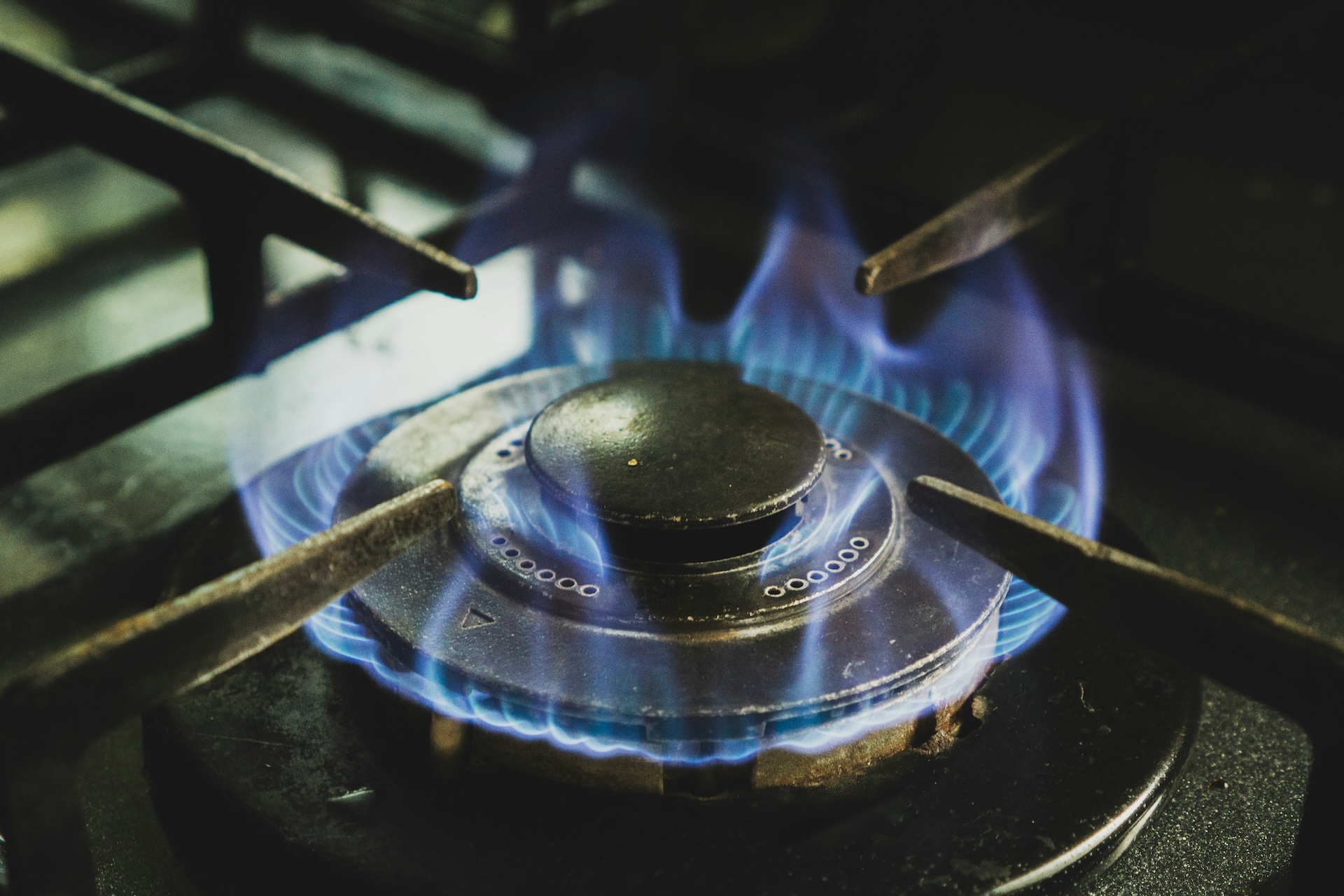
- Rotten eggs: Natural gas is odorless on its own, so utilities add a sulfur-like odorant so you’ll actually notice a leak. If you’re smelling rotten eggs inside your home, consider it a potential gas leak. Make sure to get everyone out of the house, then call 911 and your utility’s emergency line from outside.
- Fish: A fishy smell with nothing cooking on the stove is something you should take seriously — as outlets or wiring overheat, the plastic components around them start to melt and give off that odor. Switch off anything warm to the touch and unplug nearby appliances, then call an electrician rather than attempting a DIY repair.
- Sweet: A scent like maple syrup might seem harmless, but it can be a clue that refrigerant is escaping from your HVAC system, heat pump, or fridge. Those leaks tend to grow and can affect your health as well as your home, so switch the appliance off and call a pro.
- Sewage: A strong sewage smell can signal a plumbing issue, like a blocked sewer line or a dried-out drain trap. Track the smell from bathroom and kitchen drains out to the exterior vent pipes. Bubbling drains or an unclear source mean it’s time to call your favorite plumber.
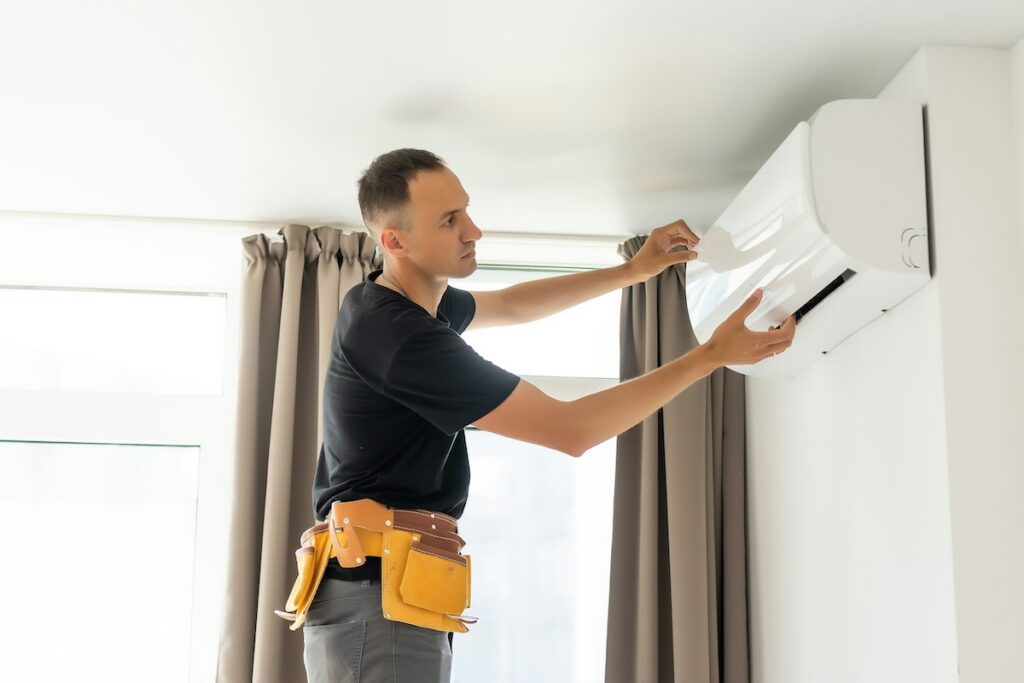
- Ammonia: A sharp ammonia odor often traces back to a leaking fridge or washing-machine hose, or a fault in your HVAC system. It can also mean a rodent has died somewhere out of sight, like in a crawl space. If an appliance is the culprit, unplug it and call a repair team, since the leak can raise fire risk. If a dead animal seems more likely, that’s a job for pest control.
- Mustiness or dampness: A damp, musty smell — the wet-laundry or old-wood kind — often points to mold, which can wear on your health when you breathe it in day after day, on top of damaging the house. Look in the spots that stay damp, like under sinks, behind the fridge, around the HVAC system, and by the washing machine or dishwasher. Discoloration or staining up near the ceiling or around windows is another tell. You can tackle a small patch yourself with an N95, gloves, goggles, and good ventilation, but anything large or recurring is a job for a remediation company.
What Does a Gas Leak Smell Like?
Most utilities add a compound called mercaptan to natural gas, which gives it that sharp rotten-egg or sulfur smell. If you notice it, don’t flip light switches or light a flame, since both can ignite gas. Get outside right away, and call for help once you’re a safe distance from your house.
The Takeaway
While the majority of smells around your house are nothing to worry about, a few (like gas and electrical odors or mustiness) deserve attention. The most urgent smell is that of a gas leak, and if you suspect one, the safest move is to leave first and call 911 and your utility company’s emergency line from outside the house.
Bottom Line
Certain odors are well-recognized warning signs, even if the exact cause varies from one home to the next. This is general guidance, and anything that points to a gas leak or an electrical problem deserves a professional’s attention. And because carbon monoxide has no smell at all, a working CO detector matters as much as your keen nose. Plenty of household exposures fly under the radar the same way, so it’s worth knowing which ones you can actually control.