8 Kitchen Items Shedding Microplastics Into Your Food

The everyday kitchen gear that sheds microplastics into food and easy swaps you can make.
If you’re concerned about the threat of microplastics in the kitchen, you’re not off-base. Most people don’t think about their cutting board adding plastics that aren’t part of the recipe.
Fortunately, microplastics are not unknown mysteries. It’s pretty clear which items in your kitchen are likely the largest offenders and what to do to stop their unwanted influence over your nutrition. Let’s get a clear understanding of what microplastics are and their risks, and then identify what easy swaps you could make to rid your kitchen of them.
Your kitchen is just the start. Our Microplastics Toolkit maps every major source of exposure — food, water, air, and more — with the science-backed swaps that actually cut it down.
What You Should Know About Microplastics in Your Kitchen
With so many kitchen items marketed as food-safe, microwave-safe, dishwasher-safe, everything-safe, first instincts are unlikely to screen for microplastics, which are smaller than 5 millimeters, and find their way into water and food.
Microplastics commonly result from the breakdown of plastics in the environment, driven by radiation and waste. They can carry toxic additives and pollutants that can be absorbed by major organs, disrupt important bodily functions, and, with chronic exposure, may add to health risks — inflammation, oxidative stress, possible cardiovascular effects — that researchers are still working to pin down.
Environment International considers home kitchens as “significant epicenters for microplastics pollution,” which is pretty scary language for the place where we prepare the meals intended to keep us healthy.
So, we know what’s at stake; let’s parse which items in your kitchen may have inadvertently betrayed you and the swaps that can swing the odds back in your favor.
The 8 Kitchen Items to Rethink
1. Plastic Containers
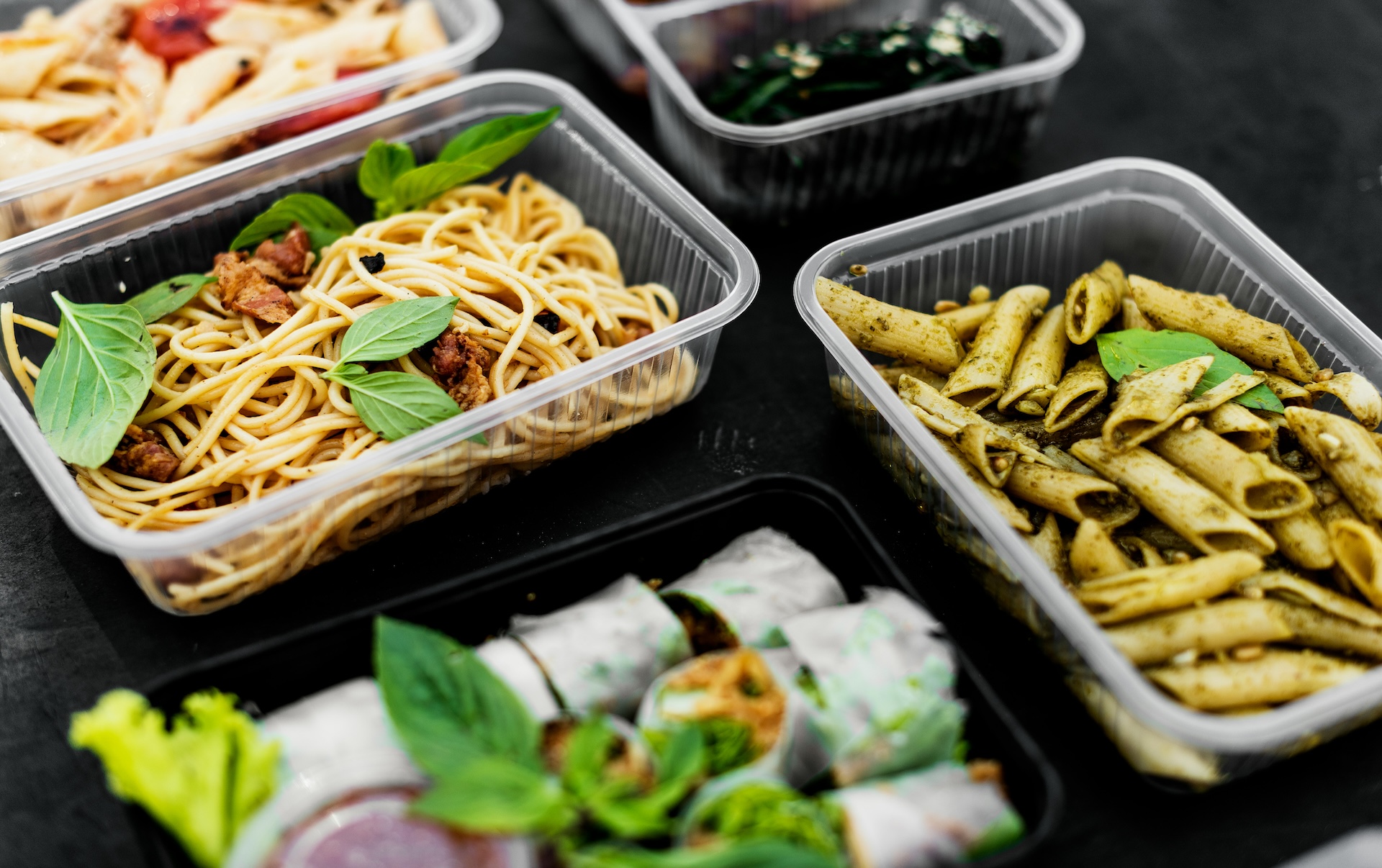
Food in the kitchen spends most of its time in storage. Heating food in plastic can release over four million microplastic particles per square centimeter after just three minutes in the microwave. Solve this problem by swapping plastic containers for glass, ceramic, or stainless steel.
Glass containers with glass covers are mostly microplastic-free. Ceramic doesn’t shed plastic into your food, either. And stainless steel also doesn’t shed microplastics.
2. Plastic Cutting Boards
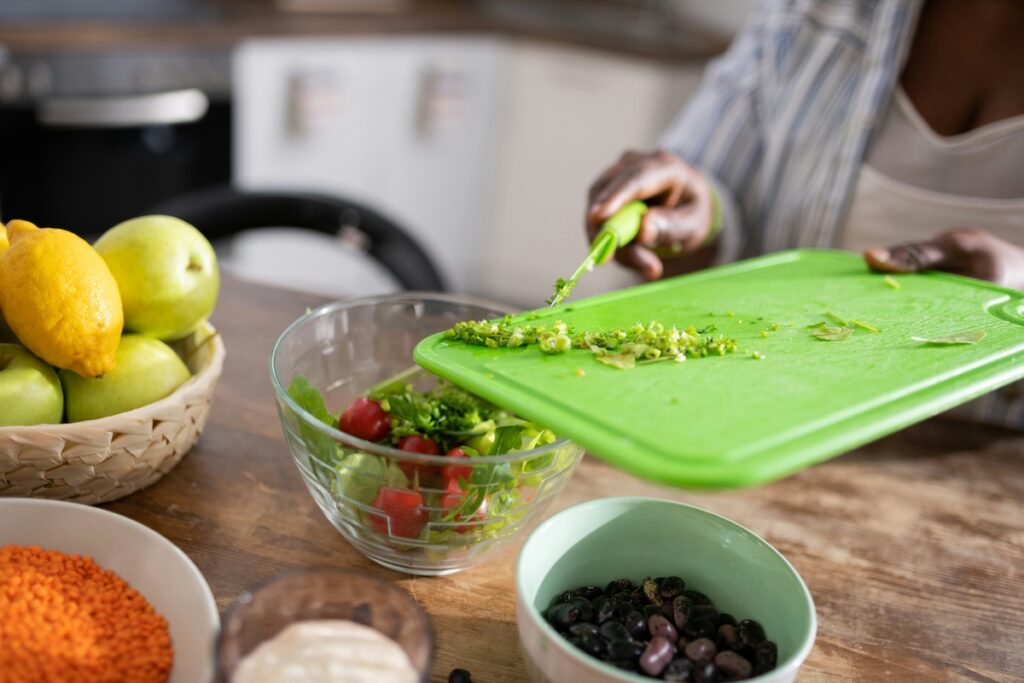
The award for the most direct way to add microplastics to your food. It seems pretty obvious that cutting plastic while cutting food will result in the former shaving into the latter. The simplest swap is a well-maintained wooden cutting board.
One study estimated a plastic board can shed up to about 50 grams of microplastics into your food per year — tens of millions of particles. On the other hand, a well-maintained, routinely cleaned wooden cutting board won’t shed microplastics.
3. Plastic Tea Bags
Many consider tea healthy, and they’re right. Who doesn’t want more antioxidants and anti-inflammatory beverages in their day-to-day life? The issue isn’t the tea but rather the plastic tea bag it steeps in, which one widely cited study found could release about 11.6 billion microplastics and 3.1 billion nanoplastics into a single cup. The swap is steeping loose-leaf tea with a stainless-steel infuser.
As mentioned before, stainless steel won’t release microplastics in food containers, and the same is true of tea.
4. Plastic Kettles
Avoid heat and plastic together, since the combination promotes the release of microplastics. The optimal swap is, again, going to glass or stainless steel. A stainless steel kettle won’t result in a film of microplastics in the boiled water.
5. Scratched Non-Stick Cookware
Non-stick coating is great when it’s doing what it’s designed to do. It is not, however, good when it releases microplastics into your food after being scratched, worn out, or generally degraded over time from use.
Although they might be less convenient and require more upkeep, the best swap is to switch to stainless steel, cast iron, carbon steel, or anything enamel-coated. Cast iron is plastic-free, carbon steel is plastic-free, and enamel coatings are made from fusing glass to metal substrates, all of which don’t contain plastics.
6. Plastic Cutlery
While plastic cutlery might not release as many microplastics as a kettle, skillet, or cutting board, it is still often used with hot food, and you could bite or chew on it. Why let your teeth scrape microplastics into your mouth if you don’t have to? The swap is easy: metal cutlery, since it doesn’t have plastics to release.
7. Takeaway Cups/Containers
Hot food in plastic containers, a tale as old as the exact combo to avoid regarding microplastics. The worst kind of containers are those with rough surfaces, since abrasions during delivery or movement while traveling from one location to another before being opened can release many microplastics. Swap to restaurants that allow for reusable containers or eat there.
While not as effective, another way to reduce microplastic risk is to transfer the food from its takeaway container to your glass or ceramic plate/dish as soon as possible.
8. Single-Use Bottles
Plastic bottles are plastic containers by another name and are susceptible to similar issues. Storage matters because temperature matters: cold is better than room temperature or warmer. The swap is investing in a stainless steel or glass bottle you can refill.
The Takeaway
Ultimately, microplastics sneaking into your food and drink result from plastic and heat together and are worsened by friction. The more heat plastic is exposed to, the more likely it is that larger volumes of microplastics can be released.
Ceramic, wood, glass, and various steels are the best alternatives to plastics, and most common kitchen items have alternatives made from these materials.
Bottom Line
Will your diet be entirely devoid of microplastics for good? Not in the world we live in. You can, however, significantly reduce the number of microplastics you ingest. The science is still out on what doses of microplastics are actually harmful, but given suggestive evidence we are aware of, it’s best to err on the side of caution.
Swapped out your cutting board and tea bags? Take it further. Our Microplastics Toolkit gives you a personal exposure audit and a step-by-step action plan to lower your microplastic exposure across your whole home.
Experts Who Contributed
- Lauren Keary, NASM-CNC, reviewed this article for accuracy.