What Cannabis Really Does to Your Sleep

The THC you’re taking to fall asleep faster might be doing more harm than good.
Many people struggling with insomnia reach for cannabis as a quick and natural fix to fall asleep faster. A 2025 study published in JAMA Pediatrics found more than 1 in 5 young adults reach for cannabis or alcohol to fall asleep, and a THC gummy really can shorten the time it takes to fall asleep. But falling asleep faster isn’t the only marker of a good night’s sleep. In fact, what happens after you enter dreamland is arguably more important than how quickly you get there. Your body relies on restful sleep to recover from the day both physically and mentally. And while nightly THC may help you quiet the racing that happens in your mind the second your head hits the pillow, what you may not realize is that using cannabis as a sleep aid may actually be harming your sleep quality, sleep experts point out.
What You Should Know About Cannabis and Sleep
Cannabis now sits alongside melatonin and CBD as a go-to for people chasing lost sleep, and users will tell you it works. While they’re not entirely wrong, there are some things you should know before heading to your local dispensary the next time you have trouble catching some Z’s.
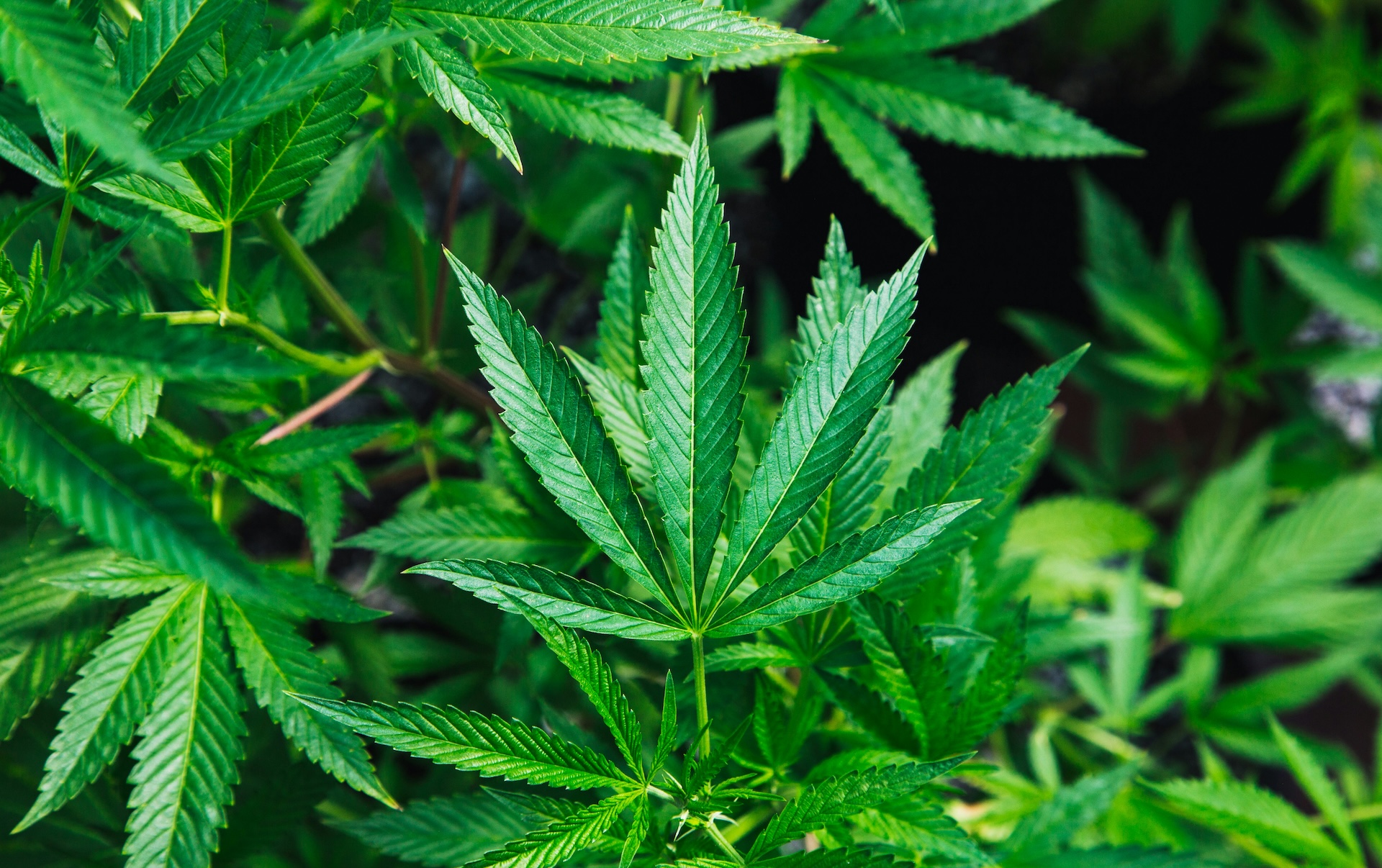
Yes, THC (the main psychoactive ingredient in cannabis) can have a sedative effect at low doses and it does help people fall asleep faster. But there’s a catch — that effect fades as the body adapts to the dose you’re taking, meaning you’ll need to take more over time.
“THC can become psychologically and physiologically habit-forming as a sleep aid,” explains Chelsie Rohrscheib, Ph.D., neuroscientist, sleep expert and the head of sleep at Wesper. “With regular use, people often develop tolerance, meaning sleep quality may become significantly worse on nights when cannabis is not used.”
Plus, falling asleep faster isn’t the same as getting a restful night’s sleep. In fact, a 2025 meta-analysis in Sleep Medicine Reviews found cannabis doesn’t reliably improve the measures that matter most — total sleep time and how rested you feel. Chronic daily users logged more time awake overnight, more insomnia symptoms, and less restorative sleep than people who didn’t use at all.
What’s more, sleep neurologist Joanna Fong-Isariyawongse, wrote in the Independent she’s not anti-cannabis but “regularly sees patients whose sleep has quietly unraveled after months or years of use.”
Going Deeper on the Cannabis Sleep Trap
THC suppresses activity in the sympathetic nervous system, which is responsible for the body’s stress response, which is what can lead to feelings of being relaxed. It also has sedative properties that can make it easier to fall asleep, especially for those whose insomnia is driven by nighttime stress or anxiety. Jenna Congdon, BSN RN reminds patients that, “It’s important to remember that sleep problems often have more than one contributing factor. Stress, medications, chronic pain, untreated sleep apnea, and mental health conditions can all play a role. Try to track exactly what disrupts your sleep each night so that you and your doctor can address those issues together.”
While THC may initially increase deep (slow-wave) sleep, research consistently shows it suppresses rapid eye movement (REM) sleep, Rohrscheib explains. REM sleep is when dreaming takes place. This sleep stage plays a critical role in memory consolidation, processing emotions, locking in learning, and other essential neurological and biological processes.
So, your use of THC as a sleep aid may actually be suppressing REM sleep, leading to negative effects on cognitive function, mood, and overall health over time.
Fong-Isariyawongse writes that the two groups who she sees most often with sleep quality affected by THC use are teenagers and veterans. The brain keeps maturing into the mid-20s, and a 2021 brain-imaging study of nearly 800 teenagers tied cannabis use to dose-dependent thinning of the prefrontal cortex. Aside from affecting all-important sleep, continued cannabis use in adolescence may negatively impact judgment and impulse control over time.
In the other highly affected group — veterans — PTSD affects an estimated 11 to 20 percent of those who served in Iraq or Afghanistan. (For comparison, about 6 to 8 percent of the general public will experience PTSD at some point in their lives). So it’s important to note when seeking a quick fix for falling asleep that 1 in 4 veterans who use cannabis nonmedically develop cannabis use disorder (CUD). This can lead to worsening depression, anxiety, and affect PTSD-treatment outcomes.
Even so, plenty of people keep reaching for THC at night. Usually that’s a sign the drug has stopped helping much and quitting simply feels worse. If you are regularly using THC to sleep and decide to stop, it can trigger a phenomenon known as REM rebound. This happens when the brain compensates for previously suppressed REM sleep by increasing both the amount and intensity of REM, which can lead to vivid dreams or nightmares, more frequent awakenings, and temporary reductions in overall sleep quality, Rohrscheib explains. Not to mention, you may experience anxiety, low mood, restlessness, and irritability.
The Takeaway
Research suggests that while cannabis can help you fall asleep faster, it actually negatively affects REM and overall sleep quality over time, which are more important to restful sleep than how fast you doze off. So, it works better as an occasional tool than a nightly habit. Instead, treating the root cause of your sleeping troubles, which could be anxiety or stress, poor sleep habits, or even health issues like sleep apnea, is what will truly give you more restful sleep over time. For stubborn insomnia, sleep specialists point to cognitive behavioral therapy for insomnia (CBT-I) as the first-line fix — research shows it outperforms sleep medications, cannabis included.
Bottom Line
While THC speeds sleep onset short-term, over time, your body builds tolerance to the drug, meaning you need to take more to have the same effectiveness. Though it may help you fall asleep faster, chronic use actually cuts into restful sleep and the long-term effects are still being studied. If you’re looking for a natural alternative, CBD, another derivative of cannabis, may help but evidence remains inconsistent as to how much it actually helps. But again, effective dosages will vary person to person, and long-term effects on overall sleep hygiene need more study.
If you’re a nightly THC user, you’re not alone. Know you’re stuck in a cycle rather than making a bad choice — so when you’re ready to quit, be sure to have support systems, like a therapist or doctor, and solid nighttime routines in place.
Experts Who Contributed
- Lauren Keary, NASM-CNC, reviewed this article for accuracy.
- Jordan Smith, an ISSA certified running coach, wrote this article.
- Chelsie Rohrscheib, Ph.D., neuroscientist, sleep expert and the head of sleep at Wesper
- Jenna Congdon, BSN RN, reviewed the medical content of this article.