The Best High-Protein Foods You Need in Your Diet

Whole foods that pack serious protein, minus the powders and additives.
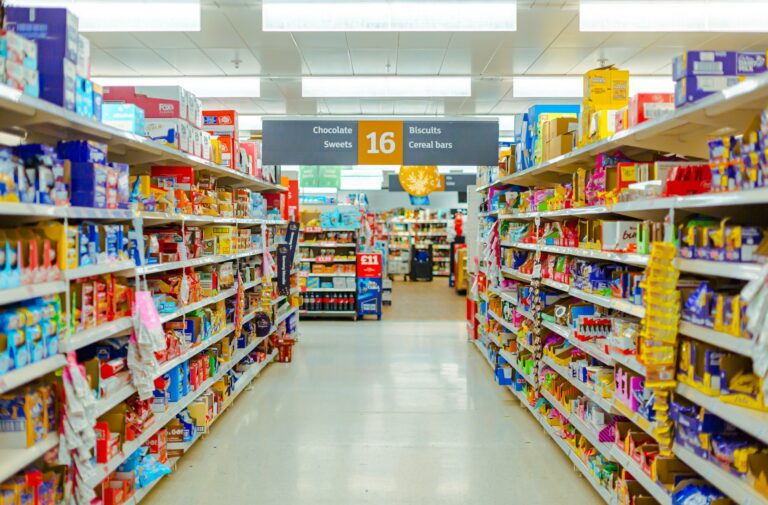
Protein is the new gold rush. People can’t get enough. High-protein foods now decorate nearly every aisle in your local grocery store. High-protein cookies (or whatever) aren’t too good to be true — these foods are infused with powders to jack up the protein content.
However, whole-food protein sources win out over processed additives every time. You get more micronutrients and a better amino acid profile, without the chalky aftertaste those added powders leave behind. It’s the same reason we lean on real food in our high-protein lunch ideas and high-protein, high-fiber picks. Here’s a practical high-protein foods list — the best whole-food sources across the board — plus how to figure out the right amount for you.
TL;DR
High-protein foods span animal sources like chicken, fish, eggs, and Greek yogurt, plus plant sources like beans, lentils, tofu, and edamame. Building meals around them helps you hold onto muscle, stay full between meals, keep energy steady, and cover key nutrients along the way.
Key Takeaways
- High-protein foods come from both animal and plant sources.
- Most adults need about 0.54 to 0.73 grams of protein per pound — more if they're active.
- Pairing protein with fiber at every meal boosts fullness.
- Embracing variety is the best way to consistently hit your protein goals.
How Much Protein Do You Need?
Like everything else relating to your health, protein needs are highly individual. A sedentary teenager’s needs differ from a middle-aged woman or a weightlifter in their 70s.
In general: The 2025–2030 USDA Dietary Guidelines for Americans, updated in early 2026, recommend adults eat 0.54 to 0.73 grams of protein per pound of body weight per day — up from the older 0.36-gram baseline. A 180-pound man would aim for around 120 grams, for example.
However: Your age, sex, activity level, and goals all shift how much you need.
- For exercisers, the International Society of Sports Nutrition recommends a slightly higher intake of .65 to .91 grams per pound. Exercise incurs muscular damage which must be repaired, partially, with dietary protein.
- For pure muscle growth, more isn’t always better. One landmark meta-analysis found gains keep climbing up to about 0.73 grams per pound (1.6 g/kg), then level off — so pushing far past that mostly adds calories, not muscle.
- Children & the elderly should also eat more protein than the RDA to support growth and reduce muscle loss, respectively.
Too much?: You may have heard that high-protein foods or diets are damaging to the kidneys. The evidence-based perspective is more nuanced than that. Some data show that consistently eating high amounts of protein may be harmful to sufferers of chronic kidney disease.
But in adults without kidney issues, other studies show little to no tangible risk.
The Best High-Protein Foods, by Category
There’s no perfect high-protein food. But some options come pretty close, and many of them are cheaper and more accessible than you think.
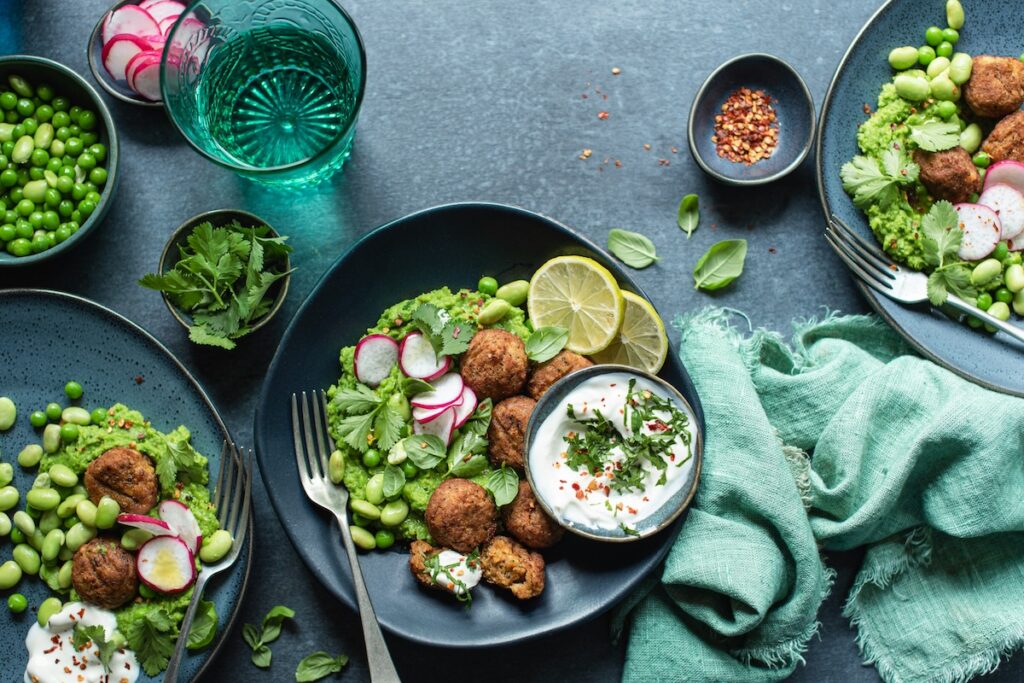
Source matters: Protein can be found in animal and plant sources alike. Animal sources of protein, like chicken or fish, are more “complete” in their amino acid profile (the components actually used for muscle growth and repair). Many plant proteins run lower in one or two of those amino acids — though soy foods like tofu and tempeh are complete, too. Either way they’re worth it, and if you’re vegetarian or vegan, they’re your foundation.
All the foods high in protein below are measured with the USDA’s FoodData Central database, and the meat, fish, and legume figures reflect cooked portions.
Animal Protein Sources
- Chicken (cooked): 31 grams of protein (per 100g serving)
- Turkey (cooked): 29.5 grams of protein (per 100g serving)
- Salmon (cooked): 22 grams of protein (per 100g serving)
- Eggs: 6-7 grams of protein (per egg)
- Whole milk: 8.1 grams of protein (per 8oz serving)
Animal protein sources should make up the bulk of your overall protein intake, provided your dietary preferences allow it. Chicken, turkey, fish, and steak supply the essential amino acids your body needs.
The balancing act with animal protein sources involves maximizing protein content while keeping fat in check. Animal fats are not necessarily dangerous in reasonable amounts, but fat quickly soaks up your caloric budget (9 calories per gram to protein’s 4).
Skinless chicken, fish like tuna & tilapia, and shrimp have the most dietary protein with the least fat.
Plant Protein Sources
- Tempeh: 20.3 grams of protein (per 100g serving)
- Tofu: 17.3 grams of protein (per 100g serving)
- Edamame: 11.9 grams of protein (per 110g serving)
- Black beans (cooked): 8.8 grams of protein (per 100g serving)
- Lentils (cooked): 9 grams of protein (per 100g serving)
Plant protein sources don’t pack as much of a nutritional punch as animal-based foods, but they make up for it with stellar micronutrient profiles. You already need to get your veggies in — you may as well incorporate high-protein sources from plants and hit two birds with one stone.
Nut, Seed, & Grain Protein Sources
- Peanuts: 25.8 grams of protein (per 100g serving)
- Almonds: 21.2 grams of protein (per 100g serving)
- Chia seeds: 16.5 grams of protein (per 100g serving)
- Quinoa (cooked): 4.4 grams of protein (per 100g serving)
You can also find decent amounts of protein in nuts, seeds, & grains. Peanuts and almonds have notable protein, but come with heaps of dietary fat as well. When it comes to carbs, quinoa stands above the rest.
How to Eat More Protein
Knowing is half the battle, but it’s not the half that matters. You can know what protein you should be eating, but you actually have to eat it. Luckily, this doesn’t mean suffering through pounds of plain chicken breast every day.
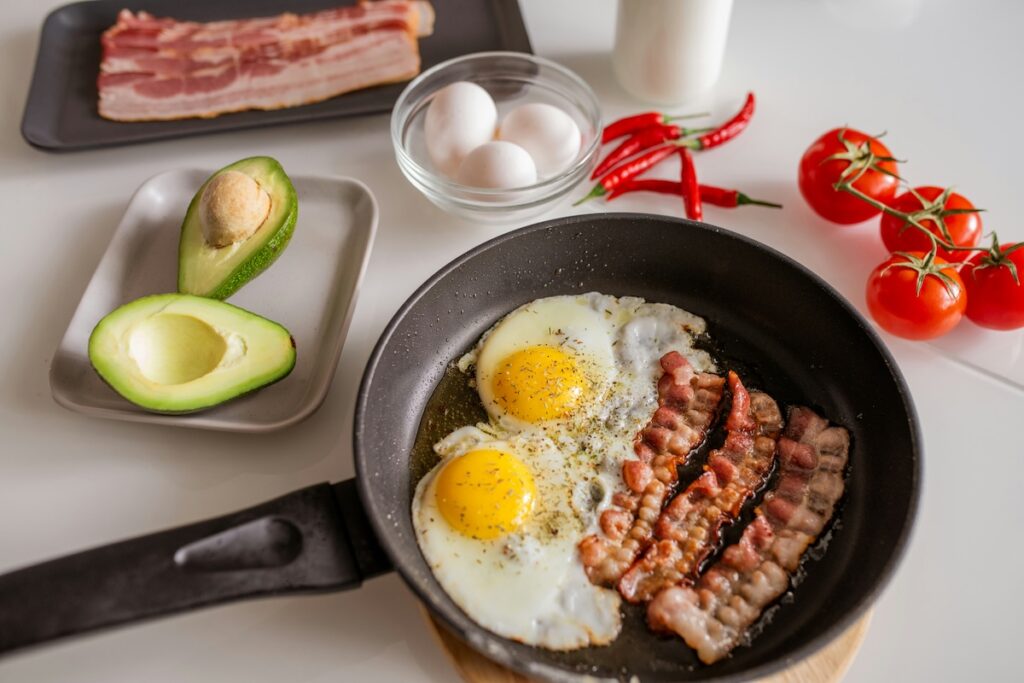
Here’s how to actually add these high-protein foods into your diet:
- Anchor each meal around protein. When constructing your plate, start with a protein source and build around it. Then, to maximize satiety, add a dietary fiber source.
- Make it easy by having accessible protein sources on-hand. Having to go to the store for fresh meat can be enough of a deterrent, so whether frozen or fresh, keep your protein sources stocked up at home.
- Spread your intake across the day. One 2023 study found even 100 grams of protein in a single meal isn’t “wasted” — your body keeps using it for hours — but that doesn’t make it easy to stomach. Aiming for 25+ grams per meal is a rule of thumb worth following.
- Dress it up to reduce things feeling dull or samey. Stews, medleys, and other mixed dishes go a long way toward maintaining freshness.
Frequently Asked Questions
The foods highest in protein are mostly animal sources. Cooked chicken breast and turkey lead at around 30 grams per 100 grams. Fish, eggs, shellfish, and dairy like whole milk and Greek yogurt round out the top of the list. Lean cuts give you the most protein for the fewest calories.
It depends on your body weight and how active you are. The 2025–2030 Dietary Guidelines put the target around 0.54 to 0.73 grams per pound of body weight for most adults. If you exercise regularly, aim higher — closer to 0.65 to 0.9 grams per pound to support recovery and muscle.
No single food melts fat, but high-protein, low-calorie foods make weight loss easier. Options high in protein and low in fat — skinless chicken breast, lean beef, shrimp, and white fish — keep you full and help preserve muscle while you eat fewer calories overall.
The best plant-based protein foods pack the most protein per calorie. Soy foods like tofu, tempeh, edamame, and soy milk are complete proteins, carrying all nine essential amino acids. Lentils, black beans, chickpeas, and chia seeds are strong picks too, and they bring fiber along with the protein.
Bottom Line on High-Protein Foods
Hitting your protein goal can feel daunting at first, especially if your total daily protein requirements are in the hundreds of grams. That said, it’s easier than you think — and not because they’re putting protein powder in pastries now.
Once you understand what the best high-protein foods are, you can build a sustainable plan around making protein the centerpiece of your plate at every meal. You’ll have enough before you know it.
Experts Who Contributed
- Jake Dickson BS-EXS, NASM-CPT, wrote this article.
- Lauren Keary, NASM-CNC, reviewed this article for accuracy.