5 High-Protein, High-Fiber Foods That Keep You Full

Support everything from gains to gut health with these powerhouse foods.
Everyone is focused on protein intake these days, evidenced by everything from crackers to coffee brands boasting their protein content. However, there are other nutrients important for your overall health that shouldn’t be overlooked as you’re focused on your protein goal. Nutrition experts say one in particular — fiber — is something Americans aren’t getting enough of. Fiber is a dietary staple that helps with digestion support, healthy cholesterol levels, and weight management, as high-fiber foods keep you fuller longer.
There aren’t a lot of foods with both protein and fiber, but if you can add the ones that do have both to your diet, you’ll be setting yourself up for some major health wins.
What You Should Know
Most Americans get plenty of protein, but miss recommended fiber targets. In fact, research shows that only 5 percent of Americans are hitting the suggested 25 grams a day for women and 38 for men under 50 years of age. Few foods offer both, and if you’re focusing on a high-protein diet, animal foods like beef, fish, chicken, and eggs have no fiber. On the flip side, high-fiber produce, like passion fruit, avocados, and peas, have little protein.
The good news? Foods that contain both fiber and protein are filling and often inexpensive. They’ll also help support everything from your muscle gains to your gut health.
The appeal is efficiency: you get the protein perks, like muscle maintenance, alongside the fiber perks, like better gut health and a lower risk of chronic conditions, all in one bite.
Going Deeper: 5 Foods With Protein and Fiber
Building meals around foods that pair fiber and protein helps you meet your nutrient needs without blowing past your calorie goals. Here are five to help you pack in plenty of both.
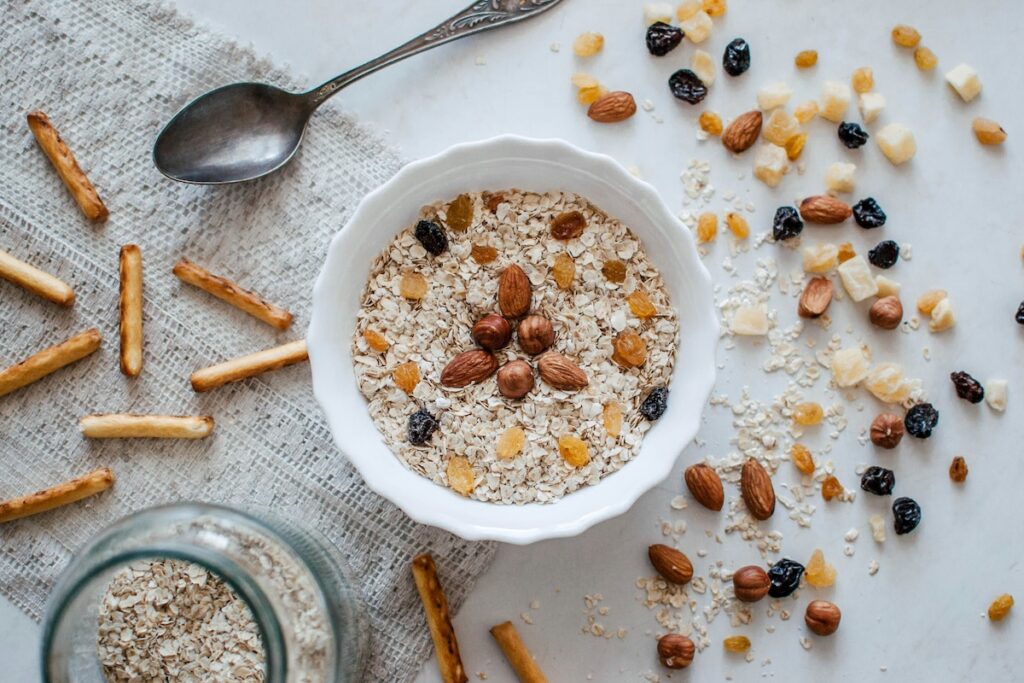
- Nuts — One easy way to fill up on fiber and protein is snacking on a handful of nuts. A 1-ounce serving of peanuts has about 7.5 g protein and 2.5 g fiber. Almonds, a superfood in their own right, contain about 6 g protein and 3.5 g fiber, plus healthy fats, B vitamins, magnesium, potassium, and vitamin E. Research has found that a daily dose of nuts and seeds can help ward off heart disease, diabetes, and even cancer.
- Whole grains — This food group must contain the bran, the endosperm and the germ to truly be classified as a “whole grain.” Opt for farro, brown rice, quinoa, and oatmeal, which all fit the bill. If you’re an oatmeal fan, reach for rolled oats, which contain about 6 g protein and 5 g fiber. You can also pair veggies with a cup of cooked quinoa, which has about 8 g protein and 5 g fiber.
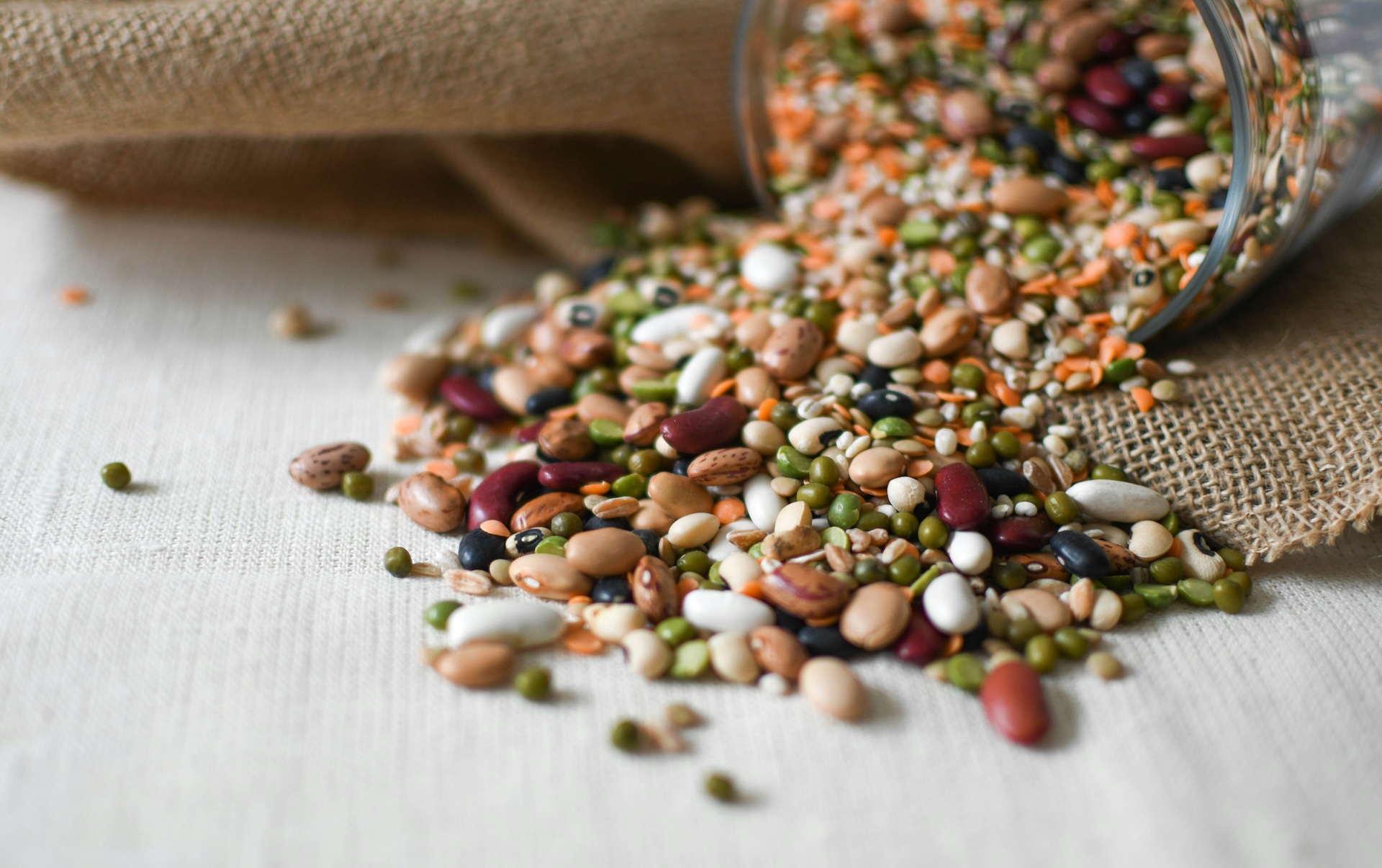
- Beans, lentils, and other legumes — This easy (and cheap) option will really help you incorporate both nutrients into your daily diet. A half-cup of cooked lentils contains about 9 g of protein and 8 g of fiber, while black beans boast about 7.5 g of each. Research has linked a daily serving of 50 g of legumes (about ⅓ cup cooked) to healthy weight and lower chronic-disease risk. Over the course of the study published in Advances in Nutrition participants who ate legumes daily had a 6 percent lower risk of dying from all causes. And since legumes contain soluble fiber and resistant starch, they may help protect you against heart disease, according to Harvard Health.
- Tofu, edamame, and soy — Soy foods are nutritional all-stars. In a half-cup of shelled edamame, you’ll get about 9 g protein and 4 g fiber. If you opt for raw tofu, it’s protein-heavy at about 10 g protein and 2 g fiber per half-cup. And if you want to add a little health boost to your morning coffee, soy milk, unlike cow’s milk, contains fiber.
- Seeds — Adding a scoop of chia or flax to your daily smoothie or on top of toast with nut butter can help you get in both fiber and omega-3s. An ounce of chia has nearly 5 g protein and 10 g fiber. You can also opt for pumpkin seeds, which boast about 8.5 g protein and 2 g fiber.
How to Build These Into Your Day
Getting both nutrients is less about any single food and more about how you stack them. A few easy pairings:
- Stir lentils or black beans into a grain bowl over quinoa or farro.
- Top oatmeal with chia and a spoonful of nut butter.
- Toss edamame and pumpkin seeds into a salad.
- Blend soy milk with flax and frozen fruit for a fiber-forward smoothie.
The goal is to make it automatic, so you’re stacking protein and fiber without counting grams.
The Takeaway
Building meals around these foods is an easy way to close the fiber gap while still hitting daily protein goals. And, they tend to keep you full for fewer calories, helping you get more bang for your buck, both in terms of calories and budget. These foods will also help protect you against many other health complications, like heart disease, diabetes, and cancer. Note that while all these options contain fiber, you still may have to add in higher-fiber options sans protein to reach the daily target.
Bottom Line
Legumes, nuts, seeds, and whole grains are your best bets for getting plenty of fiber and protein from a single source. As always, it’s important to get a variety of foods throughout the day — of course including fiber- and protein-rich options, but also other pieces of a well-rounded diet, like healthy fats and fresh fruits and veggies.
Experts Who Contributed
- Lauren Keary, NASM-CNC, reviewed this article for accuracy