Foods That Lower Blood Pressure, Backed by Research

Healthy starts on your plate. Here are the foods with the most support for lowering blood pressure.
High blood pressure is more serious than people think. The U.S. Centers for Disease Control & Prevention paints a grave picture: Nearly half of American adults have high blood pressure, and most of them aren’t doing enough to keep it in check.
Sure, medication works. But getting ahead of an issue is easier than solving it — there’s more research than you might think on foods that lower blood pressure. That said, changes to your diet must occur alongside lifestyle shifts to really make a difference.
TL;DR
Your best bets for foods that lower blood pressure are potassium-rich fruits and veggies, leafy greens, plus beets, beans, fatty fish, and certain whole grains. These foods are the backbone of the “DASH” eating pattern — and it must be a consistent lifestyle change if you want it to work.
Key Takeaways
- Foods that lower blood pressure are often rich in potassium.
- Staple food choices include produce, beans, whole grains, and fatty fish.
- Potassium helps offset the effects of added sodium, so you should be mindful of your salt intake as well.
- Dietary changes for better blood pressure work best when combined with other lifestyle interventions like exercise or prescribed medications from your doctor.
What the Research Says About Diet and Blood Pressure
Before we list out the best foods for lowering blood pressure, it’s essential to understand how changing the contents of your plate can make a big difference — and acknowledge where diet changes alone may fall short.
In 1997, researchers first studied the effects of what is now known as the DASH diet; “Dietary Approaches to Stop Hypertension.” The premise involves prioritizing a ‘combination’ diet of fruits, vegetables, and low-fat dairy, with reduced saturated and total fat.
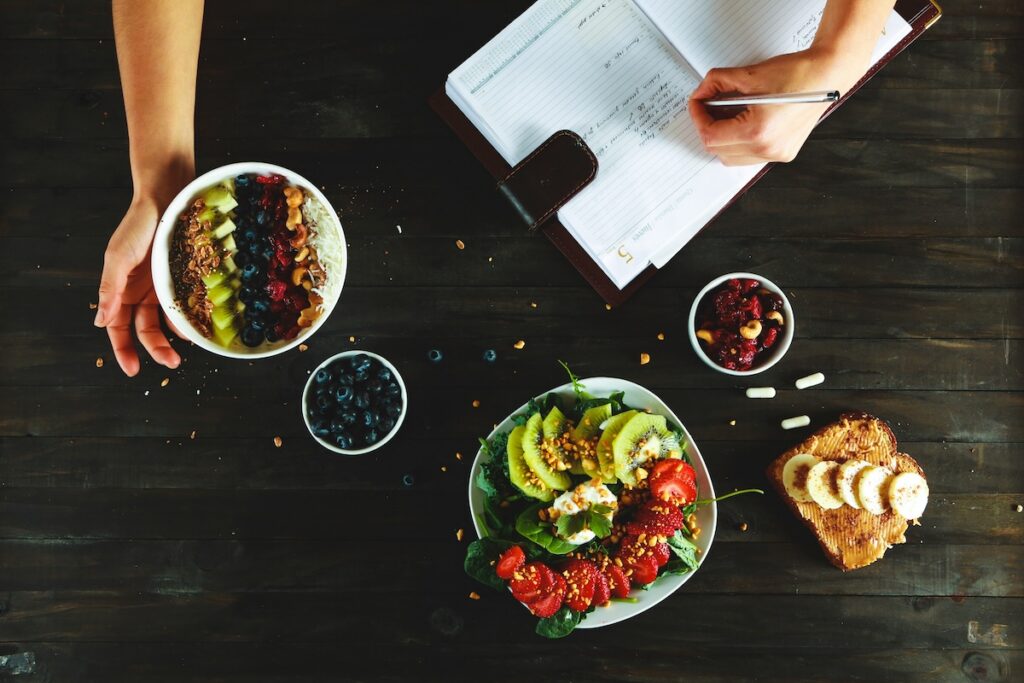
In patients with hypertension, this eating pattern meaningfully reduces blood pressure. For patients with normal blood pressure, or participants who only followed the dietary guidance partially, the effects were less pronounced.
How it works: Foods that lower blood pressure aren’t magic. The dietary pattern described here is high in potassium, which, per the American Heart Association, helps relax blood vessel walls. Many of these foods, especially leafy greens and beets, are also high in nitrates, which encourage vasodilation, or the expansion of blood vessels. These foods tend to be lower in sodium as well.
However: Single-food swaps don’t appear to go the distance on their own. You have to make a large-scale shift in your eating habits and stick to it. A meta-analysis of beetroot-juice trials, a commonly advised addition in the DASH diet, showed positive changes to systolic blood pressure but less of an effect on diastolic. “Beets are unique because they contain nitrates, a compound that can help dilate the blood vessels and reduce blood pressure,” says Caroline Bunn, RD, CDCES. You don’t need to drink beetroot juice at every meal to lower your blood pressure (though it certainly wouldn’t hurt).
The National Institute of Health’s Heart, Lung, & Blood Institute provides benchmark daily serving targets for the DASH diet:
- Grains: 6-8
- Meats, poultry, fish: 6 or less
- Vegetables: 4-5
- Fruit: 4-5
- Low or fat-free dairy: 2-3
- Fats & oils: 2-3
The big one: Try to keep your daily sodium intake under 2,300mg if possible.
The Best Foods That Lower Blood Pressure
Think of this list as a menu to rotate through or build around, not a list of must-haves. You’ll notice that these foods are naturally sourced and mostly devoid of added sugars or excessive saturated fat, which are associated with worse hypertension. Foods that lower blood pressure can make a meaningful impact, provided they’re regularly on your plate.
Leafy greens: Spinach, kale, and arugula provide potassium and nitrates. These greens are also extremely low in calories, making them a great “base layer” to construct a meal around.
Berries: Blueberries and strawberries are rich in flavonoids, which some studies show to have a positive impact on vascular health.
Beets: High nitrate content makes beets (and beetroot juice) a great pick for relaxing blood vessels.
Bananas: Bananas are famously rich in potassium; a medium-sized one can contain 425 milligrams or more.
Beans & lentils: In addition to potassium, beans and lentils provide magnesium and especially fiber, which can help you feel fuller.
Nuts & seeds: Prioritize unsalted versions to keep your sodium intake lower.
Salmon: Fatty fish is a core pillar of DASH diet recommendations for its valuable omega-3 content.
Yogurt: Low-fat, plain yogurt is a DASH staple for its calcium and potassium content. Sticking with plain variations keeps your sugar intake down, too.
Oats & whole grains: Oats, barley, and brown rice bring fiber and magnesium, and they’re a DASH staple in place of refined grains.
Garlic: Consider garlic as a primary seasoning in place of salt if you’re having trouble adding taste to your meals.
How to Eat for Lower Blood Pressure
The best diet in the world won’t do you any good if you don’t follow it. Here are some practical tips for incorporating foods that lower blood pressure into your routine:
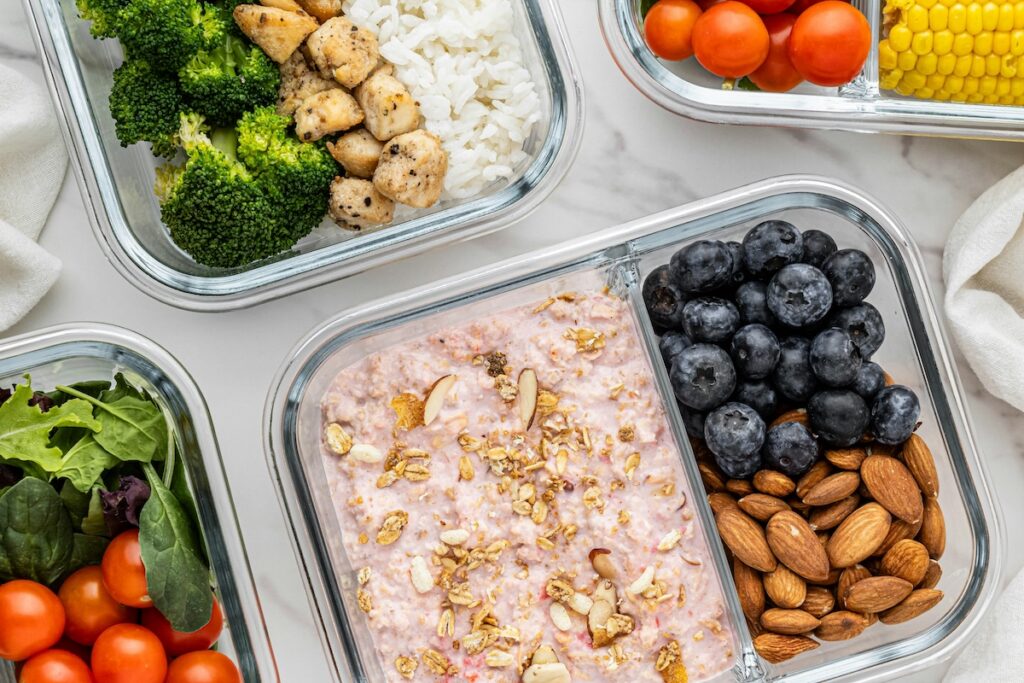
- Build meals around greens first. Start with your fruits or vegetables of choice and fill out protein and carbs afterward. Fruits & veggies have the highest serving quota in the NIH’s daily recommendation.
- Swap salt out whenever possible. This means seasoning with garlic, turmeric, or cinnamon instead of table salt and prioritizing low-sodium versions of prepared foods.
- Make changes slowly. Changing everything about how you eat at once is likely to backfire. Start instead by introducing a few of these foods into your rotation each week until you’re regularly nearing or hitting your intake goals.
Check with your doctor, too. Switching to a DASH eating pattern may sound harmless since the recommended foods are “healthy.” While true, it’s still an adjustment worth discussing with your provider. Big dietary shifts can sometimes interfere with prescription medications or pre-existing conditions.
Frequently Asked Questions
There are no foods that lower blood pressure quickly. However, prioritizing potassium-rich produce and leafy greens while avoiding sodium, saturated fat, and added sugar has been shown to have a gradual but meaningful impact on blood pressure.
There’s no singular “best food” for high blood pressure. That said, beets and beetroot juice have solid clinical evidence behind it. Reducing hypertension through diet is a gradual process, not something you can flip a switch on.
Limit foods high in sodium, like deli meats, canned soups, frozen dinners, and most fast food, along with items packed with added sugar. The American Heart Association also advises capping alcohol — no more than one drink a day for women or two for men — or skipping it altogether.
Expect weeks, not days. In DASH trials, blood pressure started dropping within about two weeks of consistently following the pattern, with the biggest changes over a month or more. The key is sticking with it — the effect fades if you drift back to old eating habits.
Bananas may help lower blood pressure because of their high potassium content. Potassium has been shown to help relax blood vessels. That said, you can find potassium in other foods such as beans, potatoes, and broccoli. Bananas aren’t a must-eat food if you have high blood pressure.
Bottom Line on Foods That Lower Blood Pressure
Managing blood pressure is stressful and often requires taking action on multiple fronts. Your diet shouldn’t be a weak point — foods that lower blood pressure can help, but don’t expect one meal to fix your numbers. Over a period of weeks, though, real change is possible if you’re consistent. If you’re worried about your blood pressure, your first move should be to consult a physician.
Experts Who Contributed
- Jake Dickson BS-EXS, NASM-CPT, wrote this article.
- Lauren Keary, NASM-CNC, reviewed this article for accuracy.
- Caroline Thomason Bunn, RD, CDCES, reviewed this article for accuracy and contributed expertise to the piece.