The Best Food for Blood Pressure, According to Cardiologists

What you eat can have a major impact on managing high blood pressure — if you know what to look for.
If you care about your blood pressure, what you eat can make a meaningful difference. Most experts recommend following the principles of the DASH (Dietary Approaches to Stop Hypertension) eating plan, a research-backed approach that emphasizes fruits, vegetables, whole grains, lean proteins, and other nutrient-dense foods — leafy greens, beets, and fatty fish like salmon among them — while limiting sodium and saturated fat.
Of course, lowering high blood pressure usually takes more than changing one ingredient on your grocery list. Exercise, weight management, stress, better sleep, medication when needed, and your overall diet all matter. Current American Heart Association guidance specifically recommends a heart-healthy eating pattern such as DASH, along with reducing sodium and increasing dietary potassium, to help prevent or treat high blood pressure. In other words, no single food will magically lower your blood pressure. But some foods make especially good additions to a blood-pressure-friendly eating pattern.
What You Should Know About Food and Blood Pressure
According to the National Heart, Lung, and Blood Institute, DASH is more of an eating framework than a rigid meal plan. It doesn’t require any special foods. Instead, it provides daily and weekly nutrition goals designed to promote heart health and lower blood pressure.
The basic principles include:
- Eating plenty of fruits, vegetables, and whole grains.
- Including fat-free or low-fat dairy, fish, poultry, beans, nuts, seeds, and vegetable oils.
- Limiting foods high in saturated fat, including fatty meats and full-fat dairy.
- Limiting sugar-sweetened drinks and sweets.
- Choosing foods that are lower in sodium and rich in potassium, calcium, magnesium, fiber, and protein.
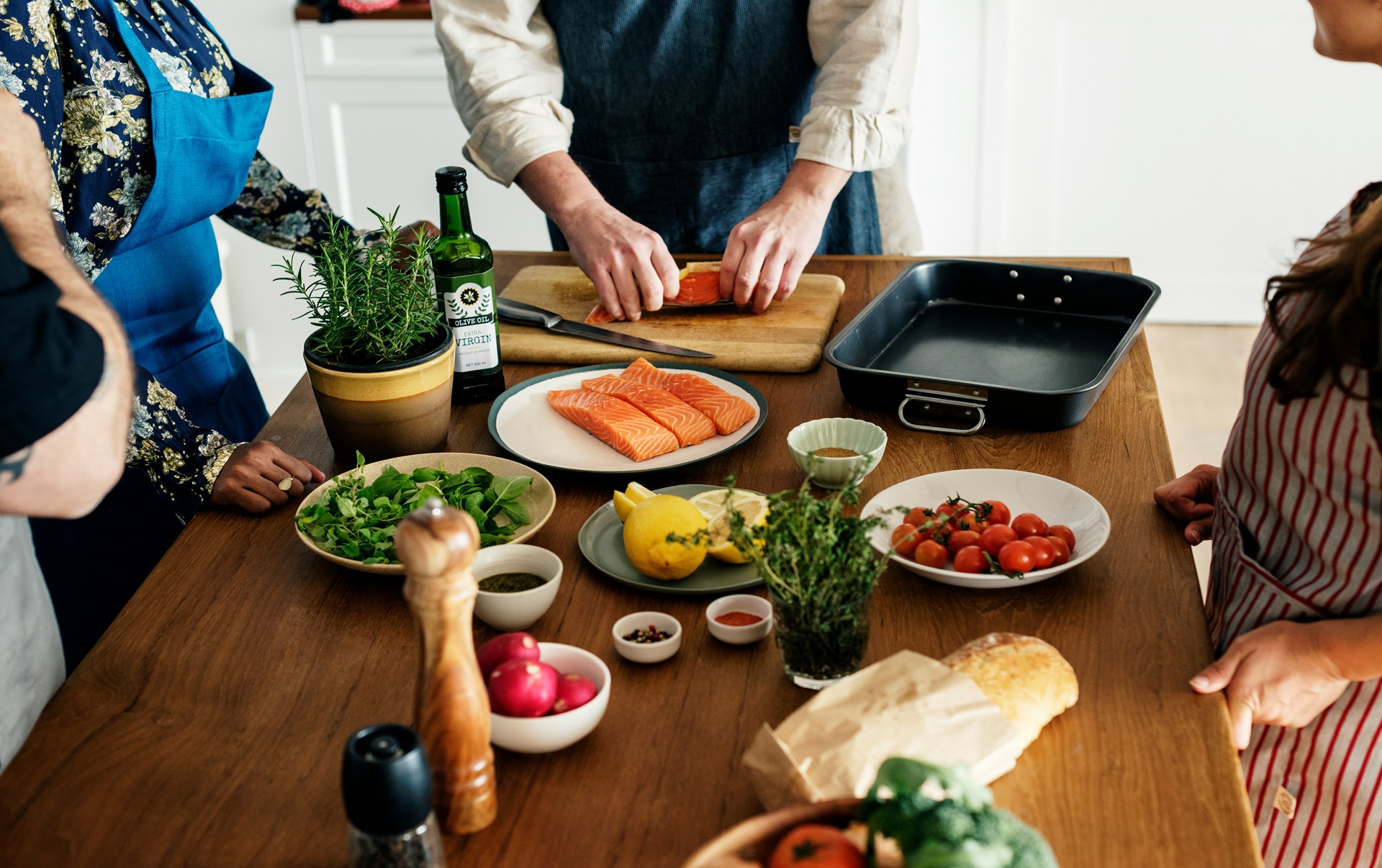
Foods cardiologists and dietitians commonly point to within that framework include salmon, arugula, beets, and kale. Each fits easily into a DASH-style eating pattern, though for different reasons. The leafy greens and beets are low-calorie and satiating, while salmon offers protein and heart-healthy fats — together they can build a well-balanced, delicious meal.
More important than crowning any one of them the “best,” however, is understanding what each contributes, and how strong the evidence is that these foods can actually affect blood pressure.
Going Deeper on the Best Blood-Pressure Food
The DASH diet, recommended by the NIH, has solid scientific support. A 1997 trial published in the New England Journal of Medicine originally established that a diet high in fruits, vegetables, and low-fat dairy could reduce blood pressure without changing participants’ weight or sodium intake.

Sodium, however, has also proved to be an important dietary variable. A 2001 trial found that lowering sodium intake reduced blood pressure in people with and without hypertension, with the largest reductions occurring when participants combined the DASH diet with the lowest sodium intake. Then, a 2020 meta-analysis of more than 12,000 participants, published in BMJ, concluded that reducing sodium lowers blood pressure. It also found a dose-response relationship, meaning larger reductions in sodium generally produced larger reductions in blood pressure.
There are noteworthy results behind increasing foods rich in potassium as well, another nutrient emphasized in the DASH diet. “Sodium and potassium work in opposite ways on blood pressure,” Caroline Thomason Bunn, RD CDCES shares. Sodium increases blood pressure levels and potassium has the potential to decrease it, she adds. A 2017 meta-analysis published in the International Journal of Cardiology found that potassium supplementation was associated with reductions in both systolic and diastolic blood pressure among people with hypertension. Another 2017 meta-analysis, published in PLOS One, similarly found that potassium supplementation lowered blood pressure compared with placebo.
Uniquely, leafy greens and beets bring something the sodium-and-potassium story doesn’t capture: dietary nitrates. The body turns nitrates into nitric oxide, a molecule that signals blood vessels to relax and open up, easing the pressure inside them. A 2013 meta-analysis in the Journal of Nutrition found that beetroot juice lowered systolic blood pressure by about 4.4 mmHg, and a 2015 randomized trial in Hypertension found a four-week course of beetroot juice significantly reduced blood pressure in people with hypertension.
Remember that none of these nutrients can or will fix high blood pressure in isolation. Managing your blood pressure typically requires working with a doctor while also addressing other lifestyle factors, including your activity levels, stress, overall diet, and, potentially, medications.
The Takeaway
If you’re adjusting your diet to help lower high blood pressure, prioritize foods high in potassium, protein, and fiber while reducing your intake of sodium, trans fats, and saturated fats. Rather than focusing on one “best” food, find options that fit those categories and incorporate them regularly into the broader DASH eating pattern.
Bottom Line
As a broad-stroke concept, the DASH diet works, and it’s important not to lose sight of that big picture. Exercise, stress management, and prioritizing certain foods and nutrients while limiting others all work together to support healthier blood pressure. There is no single lever you can pull that will make a significant difference on its own. It’s also crucial to work with your doctor, especially if medication is part of your blood-pressure management plan.
Experts Who Contributed
- Andrew Gutman, NASM-CPT, wrote this article.
- Lauren Keary, NASM-CNC, reviewed this article for accuracy.
- Caroline Thomason Bunn, RD CDCES, contributed expertise and reviewed this article for accuracy.