Why Sourdough Might Be Better for Your Stomach

Robert Stump/Unsplash
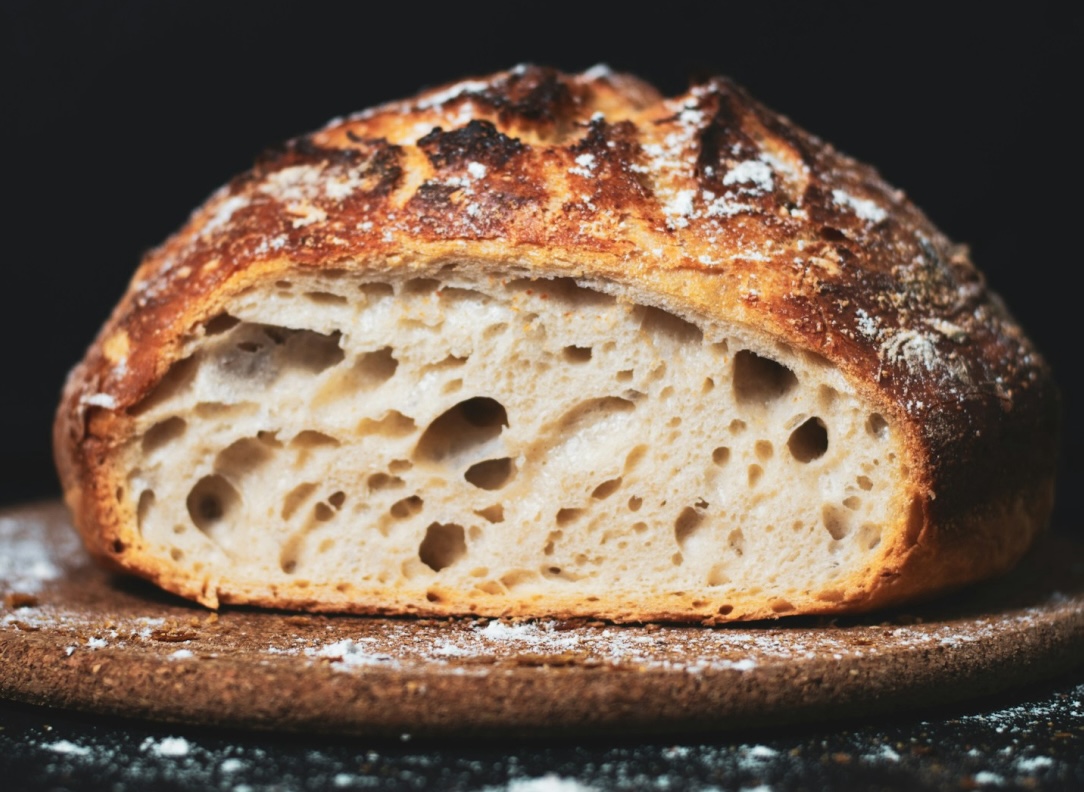
You Should Know: Sourdough baking never really went out of style, even after the pandemic baking boom, and it has earned a reputation as a gut-friendly bread. The magic comes from the starter, a flour-and-water mix fermented by healthy bacteria and naturally occurring yeasts. That long fermentation partially breaks down gluten and some FODMAPs (carbs that can be rough on sensitive stomachs). Research suggests this makes sourdough easier to tolerate for some people with digestive sensitivities.
Going Deeper: To be clear, you’re not going to find live probiotics in a baked loaf of bread, but fermentation can create compounds that may help support the good bacteria already in your gut. Some studies suggest sourdough can also produce a gentler blood sugar response than certain conventional breads, depending on the flour they’re made with and the fermentation time. However, not every bread labeled sourdough is made with a long, traditional fermentation process, and some store-bought versions use additional yeast.
Takeaway: Sourdough can be easier on your stomach and kinder to your gut bacteria thanks to slow fermentation, but look for a short ingredient list and whole-grain flour. And if you have celiac disease, regular wheat sourdough still isn’t safe.
Bottom Line: Slow-fermented sourdough does have some legit perks for digestion.