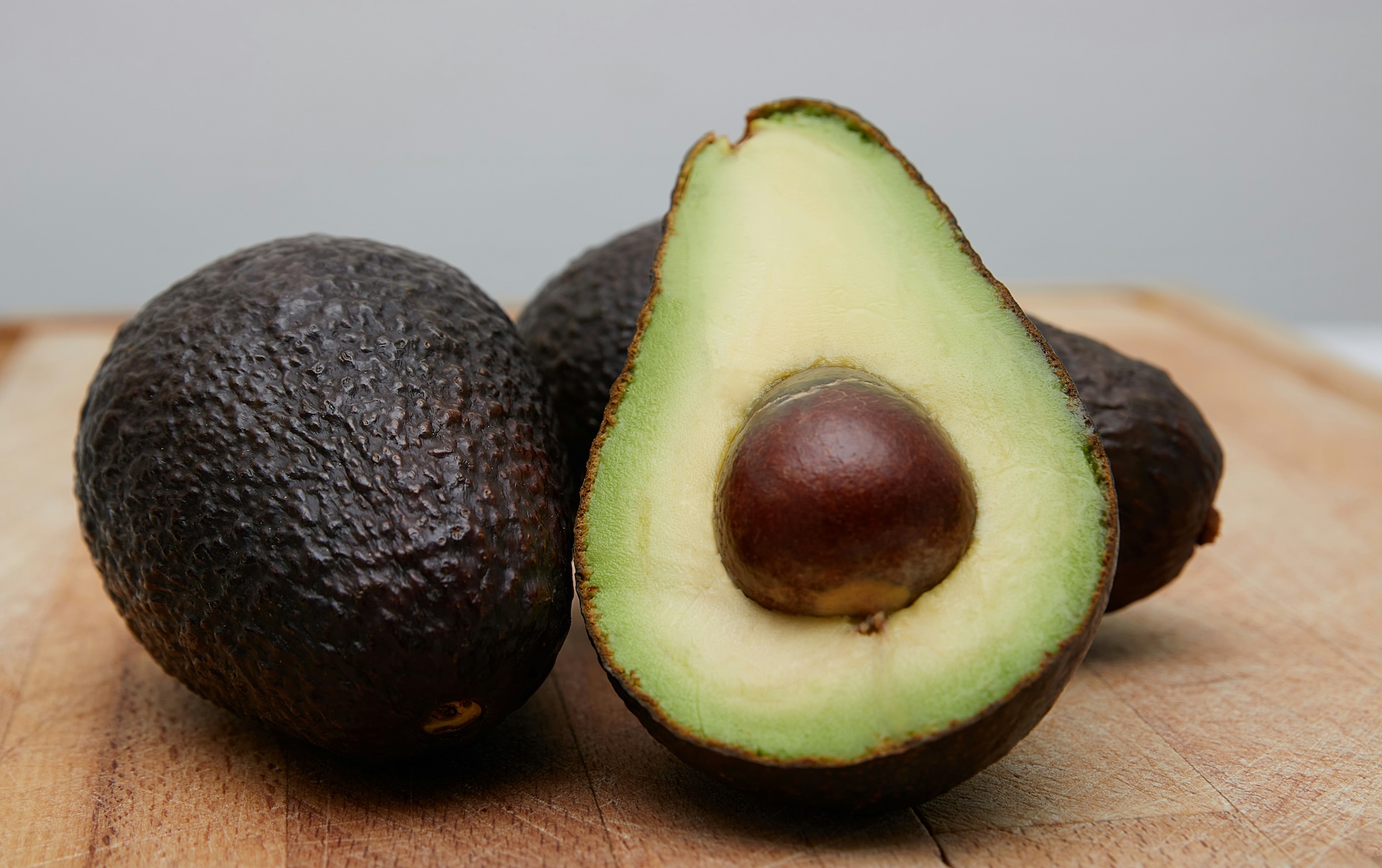
An Avocado a Day May Lower Your Diet’s Glycemic Load, Study Finds

A six-month randomized trial found that a daily avocado shifted what people ate with no diet coaching required.
“An apple a day keeps the doctor away” is a cute slogan. Adding one avocado to your daily diet can help you lower your glycemic load without any other changes. That’s the real finding of a study published in the journal Current Developments in Nutrition.
Does glycemic load matter? If you’re trying to control your blood sugar, make healthier choices overall, or lose weight, yes. Does that make avocados a bona fide shortcut? Maybe. Here’s what you need to know.
What You Should Know
Molly Knudsen, RD, summed up the study for mindbodygreen, noting that daily avocado consumption lowered participants’ overall glycemic load. It’s worth drawing a distinction between glycemic index, which you may know, and glycemic load:
Glycemic index (GI) reflects how fast a specific food pushes your blood glucose up.
Glycemic load (GL) folds in both that GI value and how much of the food you actually eat.
Put simply, both metrics paint a picture of how your body processes carbs. Individual foods have GI values. When you factor in how much of that food is eaten, or how often, you get a fuller picture of glycemic load.
Going Deeper: What the Study Found
In a sentence: Adding avocados into your daily rotation can naturally influence you to make better choices that reduce your glycemic load, without requiring coaching or meal planning.
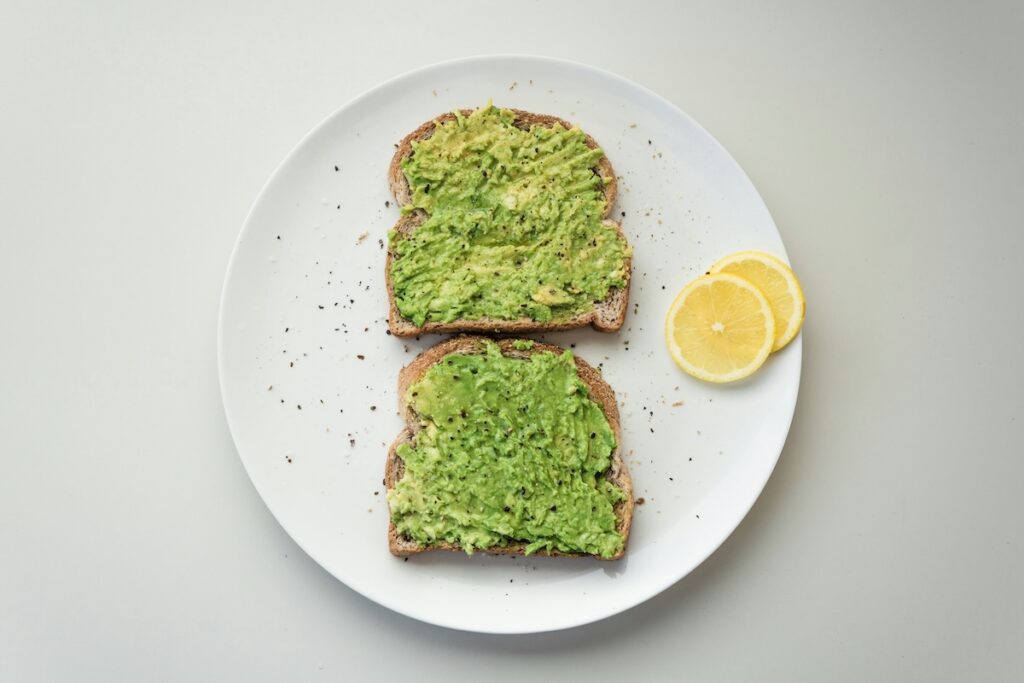
The study in question was published by LeBeau & colleagues in May 2026. Their six-month trial recruited around 1,000 adults — 73% of whom were women — who were overweight or had obesity.
The numbers: Participants in the daily-avocado group had a nearly 14-point drop in dietary glycemic load, even though their glycemic index barely moved. They also consumed more fiber, more healthy fats, and more plant protein.
What’s happening here? Do avocados have mind-control properties? No, but the study authors do offer two potential explanations:
- Avocados are rich in fiber and healthy fats, both of which blunt the blood-sugar hit from high-GI carbs.
- Because the avocado filled people up, it crowded out other carb-heavy foods they’d otherwise reach for — one HAT analysis pegged the displacement at about 87%, which pulled the diet’s overall glycemic load down.
It helps that one large avocado brings about 11 grams of fiber plus potassium, folate, vitamin E, and the eye-supporting carotenoids lutein and zeaxanthin — all with very little sugar.
“The simplicity and low cost of such a strategy offer advantages over more resource-intensive, complex strategies,” the authors said in their discussion.
The Takeaway
LeBeau’s investigation illuminates a low-friction pathway to better health. Avocados are considered a superfood for a reason; they’re nutritionally dense, filling, and can be prepared in many different ways. Swapping carby, high-GI foods out for an avocado seems to have legitimate downstream benefits.
Bottom Line
When it comes to health, adherence is everything. An imperfect solution you can stick to beats an on-paper ideal that sucks to implement. A six-month randomized trial showed a real payoff from one simple food swap, on top of the lower LDL and total cholesterol avocados earned in the same trial. But it’s worth noting that the study was funded by the Hass Avocado Board, it tracked the diet’s glycemic load rather than anyone’s actual blood sugar, and one fruit is still just one piece of an overall eating pattern. Even so, an avocado a day looks like one of the easier ways to nudge your diet toward a lower glycemic load.
Experts Who Contributed
- Jake Dickson BS-EXS, NASM-CPT, wrote this article.
- Lauren Keary, NASM-CNC, reviewed this article for accuracy.