How to Get Electrolytes Without Turning to a Supplement

Hint: It’s easier than you think.
Contrary to what social media may lead you to believe, you don’t need trendy powder supplements or daily neon-blue sports drinks to get your electrolytes in. It’s true that you may not be getting enough: Data shows that Americans tend to be lacking in three of the seven main electrolytes, which means you could probably benefit from a few strategic additions to your diet. However, the foods and drinks you likely have in your fridge or pantry — from yogurt and bananas to rice and beans — are great sources of the most important electrolytes, and should be enough to supply you with plenty to stay hydrated and help your body buzz through the day, no supplement needed.
Keep reading to learn exactly how to get electrolytes in your diet, including the electrolytes you may be falling short on, the electrolyte-rich foods that can help the most, and the cases when a supplement may actually be warranted.
TL;DR
You can get enough electrolytes from everyday foods and drinks, including choices like dairy, leafy greens, potatoes, bananas, avocados, whole grains, nuts, and beans. On occasion, electrolyte drinks and supplements can come in handy — namely, after long workouts, heavy sweating, or illness.
Key Takeaways
- The key electrolytes are sodium, potassium, magnesium, and calcium, which you can get through foods like bananas, avocados, leafy greens, whole grains, potatoes, nuts, seeds, and dairy.
- In the US, most adults get more than enough sodium, but tend to fall short on potassium, calcium, and magnesium.
- Most people can meet their electrolyte needs through a healthy, balanced diet, and without needing supplements.
- Drinks or powders can help replenish electrolytes when prolonged exercise, heavy sweating, or illness significantly depletes your stores.
How to Get Electrolytes From Food and Drinks
Electrolytes are essential minerals your body needs to run, including maintaining proper hydration, muscle and nerve function, stable heart rate and blood pressure, and much more. The body’s seven main electrolytes are sodium, potassium, magnesium, calcium, chloride, phosphate (phosphorus), and bicarbonate.
You can get all these electrolytes from everyday foods and drinks — in fact, more foods are rich in electrolytes than you might think. However, that doesn’t mean you’re getting the right amount. Research from Oregon State University’s Micronutrient Information Center (OSU) shows that many US adults tend to fall short of recommended intakes for calcium, magnesium, and potassium while overconsuming sodium. According to the OSU report, surveys have found that more than 40% of the US population doesn’t meet the calcium requirement from diet alone, that 61% of adults had magnesium intakes below the estimated average requirement, and that the vast majority of the US population doesn’t meet intake recommendations for potassium.
So, how do you get more of these key minerals? Luckily, it’s pretty easy — and it doesn’t require buying pricey supplements.
1. Eat electrolyte-rich foods.
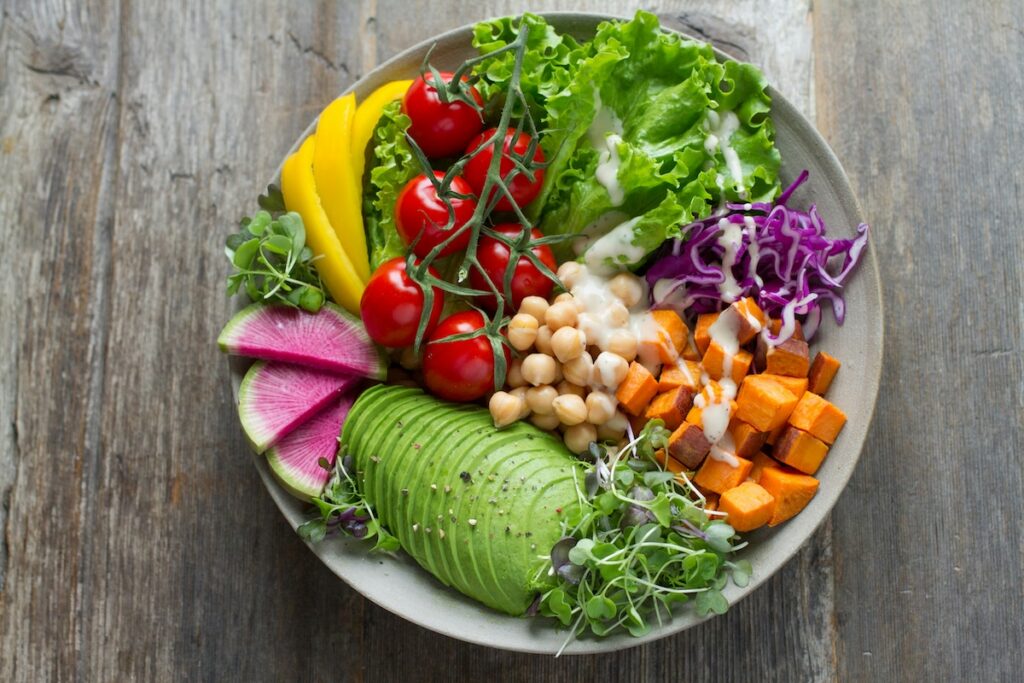
Eating a balanced diet full of whole foods can help ensure you get enough electrolytes in your everyday diet. Because electrolytes are found in many plant foods (like fruits, vegetables, whole grains, and legumes), if your diet consists largely of low-nutrient processed foods, you may be at an increased risk of not getting enough electrolytes. Be sure to include these electrolyte-rich foods in your day-to-day eating:
- Dairy: Milk, cheese, and yogurt are great sources of calcium. Some dairy products also provide phosphorus, potassium, and smaller amounts of sodium, chloride, and magnesium.
- Fruits: Many fruits are good sources of potassium and contain small amounts of other electrolytes, particularly bananas, avocados, and citrus fruits.
- Leafy greens: Dark, leafy greens like baby spinach, kale, and Swiss chard tend to provide magnesium and potassium, with some also supplying smaller amounts of phosphorus, sodium, and calcium.
- Potatoes: Russet potatoes and other white potatoes are great sources of potassium and magnesium, with trace amounts of other minerals.
- Whole grains: Brown rice, quinoa, farro, oats, and other whole grains are a natural source of electrolyte minerals, particularly magnesium, phosphorus, and small amounts of potassium.
- Beans and lentils: Various types of beans and lentils tend to be good sources of potassium, magnesium, and phosphorus.
- Nuts and seeds: Almonds, cashews, sunflower seeds, chia seeds, and many others in these categories can be good sources of magnesium while also offering smaller amounts of other electrolytes.
2. Hydrate with water and electrolyte-rich drinks.
If hydration is your main concern regarding getting enough electrolytes, know that water is enough for most adults to stay hydrated on a day-to-day basis. Some of the other drinks you consume regularly — including the four listed below — also tend to be naturally high in electrolytes, and can help you get enough. That includes:
- Milk: One cup of 2% milk, for example, provides about 309 mg of calcium, 252 mg of phosphorus, 390 mg of potassium, 29 mg of magnesium, and 96 mg of sodium.
- Coconut water: Coconut water is a great source of potassium, with about 404 mg per cup, while also providing a small amount of sodium, about 64 mg per cup.
- Orange juice: Orange juice is a good source of potassium and also offers small amounts of other electrolytes including phosphorus, magnesium, and calcium.
- Broth: Chicken, beef, and vegetable broths usually contain a substantial amount of sodium, along with small amounts of potassium, magnesium, phosphorus, and calcium.
3. Supplement with a sports drink or electrolyte powder when needed.
Drinks with added electrolytes, such as sports drinks or electrolyte powders mixed with water, can come in handy if you need to replenish fluids and electrolytes quickly (more on when that might be the case, below).
Keep in mind, many of these drinks contain large amounts of sugar. A standard 20 oz bottle of lemon lime Gatorade, for example, contains 264mg of sodium and 34g of added sugar, which accounts for 11% of the maximum recommended sodium and just meets or exceeds the maximum recommended amount of added sugar the American Heart Association (AHA) says adults should consume per day. That sugar can come in handy during some of the below instances when you need the extra sodium or calories, but as an everyday beverage, this added salt and sugar can have potentially harmful effects.
When You Might Need Extra
Electrolyte drinks and supplements do exist for a reason: There are times when you need to replenish them fast, or can’t get your fill by eating normally. This is namely during or after:
- Prolonged exercise. For workouts up to one hour in duration, you’re good to rehydrate with water alone, according to the American College of Sports Medicine (ACSM). For workouts longer than an hour, you might benefit from a drink that includes electrolyte and carbohydrates, per the ACSM.
- Heavy sweating. If you’re sweating heavily from working, exercising, or simply being in the heat for an extended period, it’s a good idea to rehydrate with electrolytes. You lose electrolytes in your sweat, and water alone won’t replace them.
- Illness. When you lose bodily fluids through vomiting or diarrhea, or if you’re unable to eat and drink normally due to nausea or pain, electrolyte drinks can help supply you with these essential minerals and often some carbohydrates and calories via sugar.
That said, you don’t need to buy a special drink or supplement. For mild to moderate dehydration, you can also rehydrate with diluted fruit juices, broth, or coconut water, or make a homemade oral rehydration solution with ½ teaspoon of salt, 6 teaspoons of sugar, and 1 liter of water.

Important caveat: Before you down an electrolyte supplement (or even go wild with electrolyte-rich foods and drinks), be aware that certain medications, including diuretics, blood pressure medications, corticosteroids, and laxatives can affect your electrolyte balance. If you take any medications or have any health conditions, talk to your doctor before ramping up your electrolyte intake or trying any supplements.
Frequently Asked Questions
You can get electrolytes through everyday foods and drinks, including (but not limited to): milk and dairy products; fruits like bananas and citrus; leafy greens; whole grains; potatoes; beans and legumes; nuts and seeds; and coconut water. After prolonged exercise (one hour+), heavy sweating, or illness, you can replenish electrolytes faster with a sports drink or electrolyte supplement.
You can get electrolytes naturally through your diet, including many foods you likely already eat or can easily include in your day. This can include electrolyte-rich foods like bananas and avocados, leafy greens, citrus fruits, potatoes, whole grains, beans, nuts, seeds, and dairy.
To get electrolytes without sports drinks, you can strategically incorporate electrolyte-rich foods and drinks into your diet. That includes leafy greens, citrus fruits, bananas, avocados, yogurt, cheese, potatoes, whole grains, nuts and seeds, and beans and lentils, plus drinks like coconut water, milk, fruit juice, and broth.
No, you don’t need electrolyte supplements to get enough electrolytes. You can consume enough by prioritizing a balanced diet rich in whole foods, including fruits and vegetables, whole grains, legumes, nuts, seeds, and dairy. In a pinch, electrolyte-rich drinks like coconut water, fruit juices, or sports drinks can also help replenish stores quickly.
Bottom Line on Getting Electrolytes
Electrolyte supplements and sports drinks can come in handy when you need to replenish electrolyte stores, stat — but they’re far from the only way to get your fill of these important minerals. Your fridge and pantry likely already include everything you need to score enough sodium, potassium, magnesium, and calcium, and if not, a few intentional supermarket purchases will do the trick.
Experts Who Contributed
- Lauren Mazzo, CPT, wrote this article.
- Lauren Keary, NASM-CNC, reviewed this article for accuracy.