8 Filling Low-Calorie Lunch Ideas That Actually Keep You Full

These filling lunch ideas pair lean protein, fiber, and plenty of volume for meals that satisfy.
A calorie-light meal does not have to be a tasteless, monochromatic plate of raw vegetables and boiled protein. It’s 2026, after all, and the internet is a portal to thousands of recipes showing you how to pack more flavor, variety, and volume into your dishes.
If you’re trying to lose weight, eat more like an adult, or simply shake up your usual lunch routine, we’ve gathered eight low-calorie lunch ideas that fit the bill. They include portable options, meals you can prep ahead, and a few that take barely any time to assemble. Most importantly, they contain enough actual food that you shouldn’t spend the rest of the afternoon fantasizing about the drive-thru.
TL;DR
A filling low-calorie lunch typically combines protein with plenty of vegetables, fruit, beans, or other fiber-rich foods. Many low-calorie lunch ideas fall somewhere around 300 to 500 calories, but your ideal amount depends on your total calorie needs. Soups, wraps, stir-fries, and protein-packed salads are all easy places to start.
Key Takeaways
- The best low-calorie lunch ideas combine protein with high-volume, fiber-rich foods.
- A satisfying light lunch typically ranges from 300 to 500 calories, though individual calorie needs vary.
- Make-ahead meals make it much easier to stick with lighter lunches during a busy week.
- Protein, fiber, and food volume matter just as much as the calorie number if you want lunch to keep you full.
Filling Low-Calorie Lunch Ideas
If you’re searching for “low-calorie lunch ideas,” there’s a decent chance you’re trying to lose weight or maintain your current weight. But there isn’t one calorie cutoff that magically makes a lunch “low calorie.” Someone who needs 3,000 calories per day is going to have a very different idea of a light lunch than someone whose needs are closer to 1,800.
Start by getting a rough idea of how many calories you need each day based on your size, activity level, and goals. Working with a registered dietitian will give you the most individualized guidance, though an online calorie calculator can provide a decent starting point.
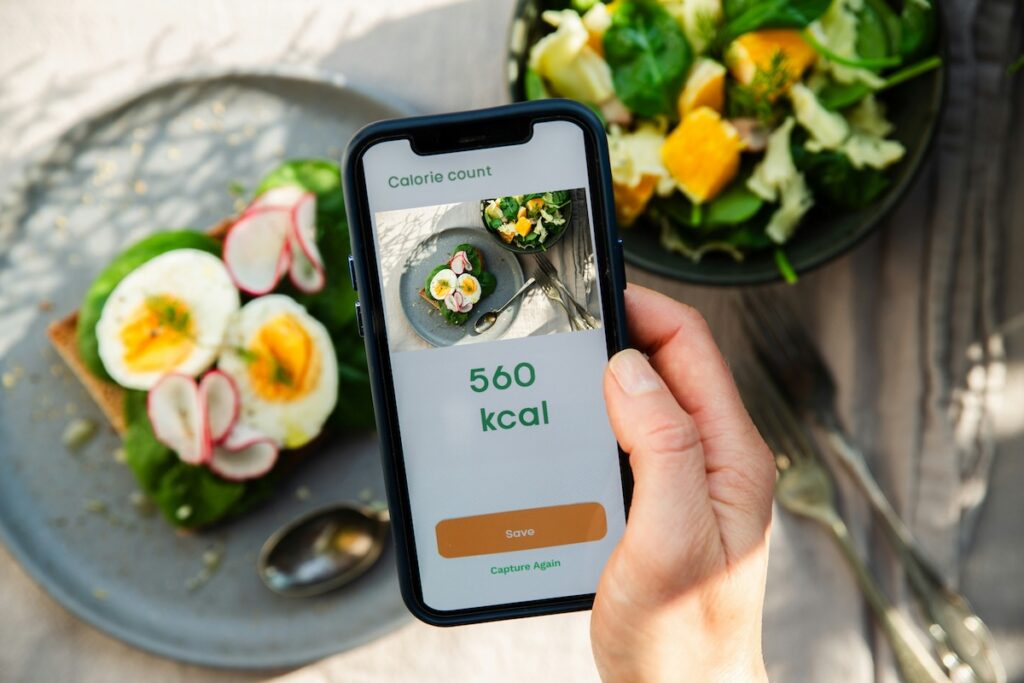
From there, think about how lunch fits into the rest of your day rather than forcing every meal to contain the same number of calories. You might prefer a 350-calorie lunch and a bigger dinner, for example, while someone else feels better eating more in the middle of the day.
And “low calorie” does not have to mean skimpy. Vegetables, fruits, broth-based soups, beans, and other water- or fiber-rich foods let you put a substantial amount of food on your plate without sending the calorie count through the roof. Most of the meals below fall between 300 and 500 calories, depending on portion sizes and specific ingredients.
Turkey Burger With Side Salad
Estimated calories: 470
Estimated protein: 38 grams
Estimated fiber: 7 grams
- Season 5 ounces of 93% lean ground turkey with salt, pepper, garlic powder, and any other seasonings you like, then form it into a patty and cook it in a skillet or on a grill until fully cooked.
- Serve the burger on a whole-wheat bun with lettuce, tomato, sliced onion, and mustard.
- Toss 2 cups of mixed greens with chopped cucumber, tomatoes, and 1 tablespoon of light vinaigrette.
- Serve the salad alongside the burger. To lower the calorie count even more, skip the bun and serve the turkey patty over the salad.
Chicken Caesar Wrap
Estimated calories: 450
Estimated protein: 47 grams
Estimated fiber: 5 grams
- Season 5 ounces of chicken breast with salt, pepper, and garlic powder, then grill or pan-cook it until it reaches 165°F internally. Let it rest briefly, then slice it into strips.
- Toss 2 cups of chopped romaine with 2 tablespoons of light Caesar dressing and 1 tablespoon of grated Parmesan.
- Spoon the salad onto a medium whole-wheat tortilla and top it with the sliced chicken.
- Fold in the sides, roll the tortilla tightly, and slice it in half. A high-fiber, lower-calorie tortilla can shave off calories while adding more fiber.
Veggie and Bean Soup
Estimated calories: 350
Estimated protein: 17 grams
Estimated fiber: 15 grams
- Heat 1 teaspoon of olive oil in a saucepan over medium heat. Add ½ cup each of chopped onion, carrots, and celery and cook until they begin to soften.
- Add 1 cup of chopped zucchini, 1 cup of canned diced tomatoes, 1 cup of low-sodium vegetable broth, and ¾ cup of drained and rinsed cannellini or kidney beans.
- Season with garlic, Italian seasoning, salt, and pepper. Bring the soup to a simmer and cook for about 15 minutes, or until the vegetables are tender.
- Stir in 1 cup of spinach or kale during the final few minutes of cooking. Add extra broth or vegetables to make an even larger portion without adding many calories.
Tofu Veggie Stir-Fry
Estimated calories: 410
Estimated protein: 30 grams
Estimated fiber: 10 grams
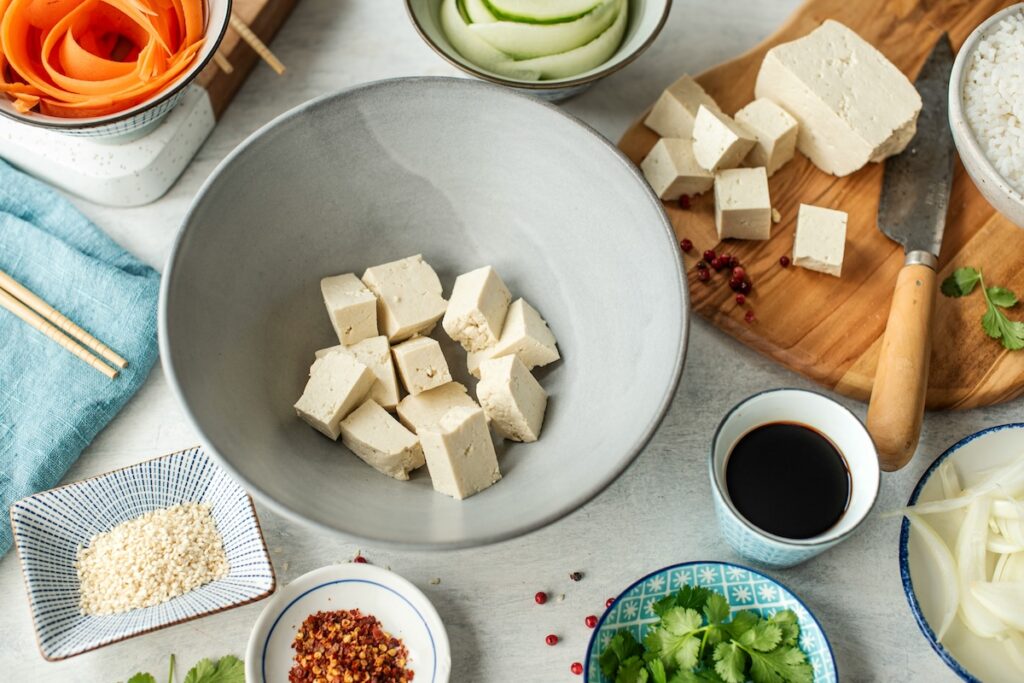
- Press 6 ounces of extra-firm tofu to remove excess moisture, and then cut it into cubes. Season with salt, pepper, and garlic powder.
- Heat 1 teaspoon of sesame or olive oil in a skillet over medium-high heat and cook the tofu until browned on several sides. Remove it from the skillet.
- Add 3 cups of mixed vegetables, such as broccoli, bell pepper, mushrooms, snap peas, and onion, and cook until crisp-tender.
- Return the tofu to the pan and add 1 tablespoon of low-sodium soy sauce, garlic, ginger, and chili sauce to taste. Serve over 1½ cups of cauliflower rice.
Loaded Vegetarian Wrap
Estimated calories: 440
Estimated protein: 20 grams
Estimated fiber: 13 grams
- Spread ¼ cup of hummus over a medium whole-wheat tortilla.
- Add ½ cup of drained and rinsed chickpeas, lightly mashing some of them with a fork so the wrap holds together more easily.
- Top with 1 cup of spinach, ½ cup of sliced cucumber, ½ cup of shredded carrots, sliced bell pepper, and a few pickled onions.
- Sprinkle on 1 ounce of crumbled feta, fold in the sides, and roll tightly. If packing it ahead, keep especially wet vegetables separate until you’re ready to eat.
Grilled Chicken Salad
Estimated calories: 420
Estimated protein: 47 grams
Estimated fiber: 8 grams
- Season 5 ounces of chicken breast with salt, pepper, garlic powder, and paprika, then grill or pan-cook it until it reaches 165°F internally. Slice it into strips.
- Add 3 cups of mixed greens to a large bowl along with ½ cup each of chopped cucumber, tomatoes, and bell pepper.
- Top the vegetables with the sliced chicken, ¼ of an avocado, and 1 tablespoon of crumbled feta.
- Drizzle with 2 tablespoons of light vinaigrette and toss everything together. Add extra non-starchy vegetables if you want more volume without significantly increasing calories.
Egg and Veggie Scramble
Estimated calories: 390
Estimated protein: 33 grams
Estimated fiber: 6 grams
- Whisk together 2 whole eggs and ½ cup of liquid egg whites with salt and pepper.
- Coat a skillet lightly with cooking spray and sauté 1½ cups of chopped vegetables, such as spinach, mushrooms, bell pepper, tomatoes, and onion.
- Pour in the eggs and cook, stirring occasionally, until set. Sprinkle 1 ounce of reduced-fat shredded cheese over the scramble during the final minute.
- Serve with 1 slice of whole-grain toast and a piece of fruit or additional vegetables on the side.
Tilapia and Slaw Tacos
Estimated calories: 525
Estimated protein: 50 grams
Estimated fiber: 6 grams
- Season 6 ounces of tilapia with salt, pepper, garlic powder, and chili powder, then air-fry or pan-cook it until the fish flakes easily with a fork.
- Warm three small flour tortillas in the microwave for about 10 seconds or briefly heat them in a dry skillet. High-fiber, lower-calorie tortillas can reduce the calorie count and add more fiber.
- Spread each tortilla with about 1 tablespoon of light sour cream or plain Greek yogurt. Divide 1 cup of pre-shredded broccoli slaw and ¼ cup of shredded Mexican-style cheese among the tortillas.
- Break the cooked tilapia into bite-sized pieces and divide it evenly among the three tacos. Finish with lime juice, hot sauce, cilantro, or sliced jalapeño, if desired.
How to Build a Filling Low-Calorie Lunch
- Prioritize lean protein. Protein provides the amino acids your body uses to maintain and build tissues, including muscle. The 2025-2030 Dietary Guidelines for Americans recommend roughly 1.2 to 1.6 grams of protein per kilogram of body weight per day, or about 0.55 to 0.73 grams per pound. You don’t need to obsess over the number at every meal, though. A practical starting point is simply making chicken, fish, eggs, tofu, beans, Greek yogurt, or another protein source a meaningful part of your lunch.
- Load up on vegetables. Vegetables such as cucumber, bell pepper, kale, spinach, tomatoes, and onions contain a lot of water for relatively few calories. Use them to add volume to salads, sandwiches, wraps, soups, stir-fries, and grain bowls. You don’t need to replace everything else with vegetables — just use them to make a reasonably calorie-dense meal physically bigger.
- Use fats strategically. Foods like avocado, nuts, cheese, olive oil, and other fat sources can add flavor, texture, and nutrients to a meal. They’re also calorie-dense, which means a little goes a long way. Measure oil, nuts, cheese, and similar ingredients if you’re actively tracking calories, rather than pouring or sprinkling until your heart tells you to stop.
- Watch the add-ons. The salad is never the problem. But the half-cup of ranch dumped on top of it is. Mayo, creamy salad dressings, cheese sauces, oils, and similar additions can tack hundreds of calories onto an otherwise light meal. You don’t need to eliminate them. Use smaller portions or experiment with lower-calorie options like mustard, salsa, nonfat Greek yogurt, or cottage cheese-based sauces.
Frequently Asked Questions
An effective low-calorie lunch contains enough protein, fiber, and food volume to keep you satisfied without eating up a disproportionate share of your daily calories. Think grilled chicken salads, bean-based soups, veggie-packed wraps, tofu stir-fries, or turkey burgers with vegetables. For many people, 300 to 500 calories is a useful starting range, though that number varies based on individual calorie needs.
Meals that combine protein with water- and fiber-rich foods tend to give you more food for your calories. Try a large salad with chicken or beans, a broth-based vegetable soup, a tofu-and-vegetable stir-fry, or a wrap packed with lean protein and produce.
Plenty of full meals can fit under 400 calories. A grilled chicken salad with measured dressing, vegetable-and-bean soup, an egg-and-vegetable scramble, or a tofu stir-fry over cauliflower rice can all work. Exact calorie counts depend heavily on portion sizes, cooking oil, dressings, tortillas, and other add-ons.
There isn’t a single correct answer. Your needs depend on your size, age, activity level, total calorie intake, goals, and how you distribute food throughout the day. Some meal-planning resources use roughly 25 to 33 percent of daily calories as a practical starting point, but that isn’t a formal federal recommendation.
What is a good low-calorie lunch?
Bottom Line on Low-Calorie Lunch Ideas
Your lunch can be both low in calories and flavorful. Anchor your meal with protein, add plenty of high-volume produce, and be intentional with calorie-dense extras like oils, cheese, nuts, and dressings. Do that, and you can keep lunch relatively light without spending the afternoon counting down the minutes until dinner.
Experts Who Contributed
- Andrew Gutman, NASM-CPT, wrote this article.
- Lauren Keary, NASM-CNC, reviewed this article for accuracy.