Low-Calorie Cheese: The Best Options for Your Nutritional Budget

Counting calories doesn’t have to mean giving up your favorite flavors.
Even the nerds are done with diet dogma. Researchers have built tools to measure what’s called flexible dietary restraint — the idea that eating well doesn’t have to be all-or-nothing. You can enjoy your favorite foods as long as you’re cognizant of quantity.
And yes, that includes cheese. Low calorie cheese exists, and doesn’t need to break the calorie bank. Despite its reputation as a no-no for anyone conscious of their weight, some cheeses are quite light on calories — and heavy on valuable nutrients like protein and calcium. Here are a few of our favorite low calorie cheese options.
TL;DR
There are more low calorie cheese options than you’d think, and the best are usually fresh, higher-moisture varieties — cottage cheese, part-skim mozzarella, and ricotta lead the pack, with feta close behind. Portion size still matters, but a little goes a long way on flavor.
Key Takeaways
- Low calorie cheese options can fit into almost any weight loss diet.
- The healthiest low-calorie cheeses are usually fresh, higher-moisture varieties.
- Portion size matters regardless of calorie content.
- When it comes to adding cheese to meals, a little can go a long way.
The Lowest-Calorie Cheeses, Ranked
Before we start: “low calorie cheese” is contextual. Just because a type of cheese is labeled low calorie doesn’t mean you can go carte blanche with it on every meal. Low calorie cheese options allow you to add flavor to your favorite meals without piling up on calories — and you’ll get a bit of extra protein plus valuable micronutrients, too.
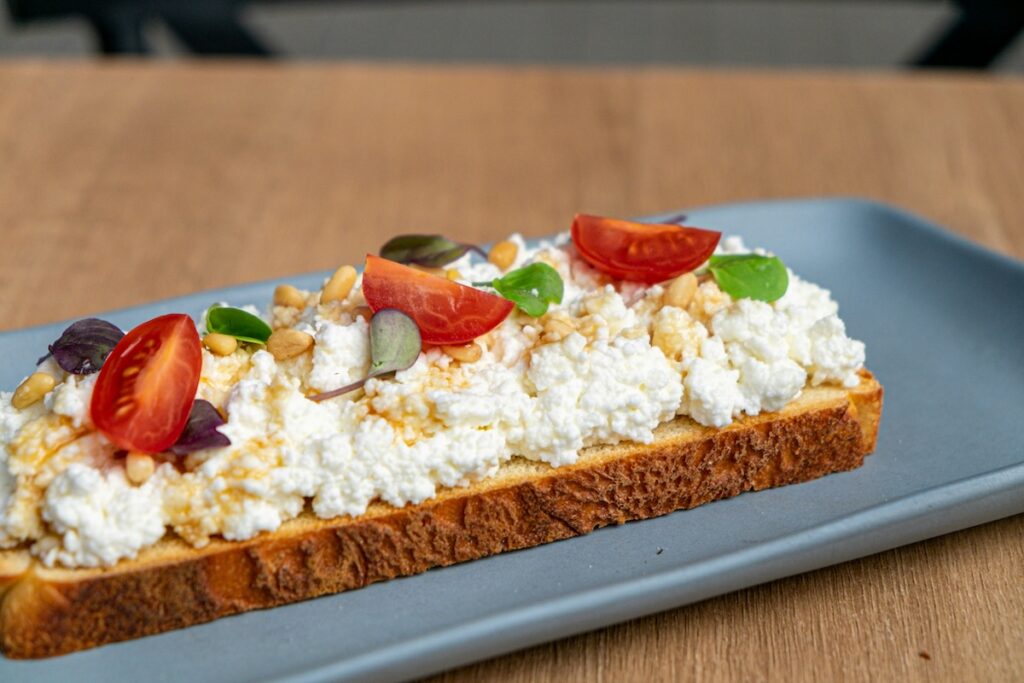
1. Nonfat cottage cheese: 72 calories per 100g.
Cottage cheese is known for its protein content; a ½ cup serving gives you almost 12g, along with vitamin B12, selenium, and riboflavin. That makes it one of the best low-calorie, high-protein cheeses you can buy. Mix in wild berries or granola and serve chilled.
2. Fat-free cream cheese: 105 calories per 100g.
A two-tablespoon serving gets you 5g of protein across most brands. Fat-free cream cheese loses out in texture to full-fat, but a thin spread across a whole-wheat bagel is plenty flavorful.
3. Part-skim ricotta: 138 calories per 100g.
½ cup provides a whopping 14g of protein, along with a quarter of your daily calcium needs and a decent amount of vitamin A. Try spreading it on toast with honey or tomatoes & basil.
4. Nonfat mozzarella: 141 calories per 100g.
In addition to almost 10 grams of protein, a 1-ounce serving also gives plenty of calcium. Nonfat mozzarella is a tactical option for homemade pizzas or flatbreads.
5. Low-fat cheddar: 173 calories per 100g.
A one-ounce serving of low-fat cheddar has about 50 calories, 7 grams of protein, and works well shredded over chili, tacos, or breakfast omelets.
6. Low-fat Swiss: 180 calories per 100g.
Swiss cheese comes with 8g of protein in a 1-ounce serving, plus calcium, vitamin B12, and a scant amount of sodium. It’s a great option to buy sliced for sandwiches or wraps.
7. Low-fat American: 252 calories per 100g.
A one-ounce serving is about 70 calories with roughly 7 grams of protein. Low-fat American is the most processed option here and higher in sodium, so treat it as an occasional melt on a burger or sandwich rather than a go-to.
8. Feta: 264 calories per 100g.
An ounce of feta has 74 calories and 4 grams of protein. It’s more calorie dense than these other options, but you only need a little sprinkled over a salad or scrambled eggs to notice the flavor.
How to Use Low-Calorie Cheese Without Overdoing It
Low calorie cheese can fit into almost any diet as long as you’re careful about how you incorporate it. For the flexible dieter, cheeses work wonderfully as accents to meals, not main ingredients — think grated parmesan on whole-wheat pasta, not lasagna.
Here’s how to add low-calorie cheese without going overboard:
- Measure your portions. Most cheeses have a standard serving size of 1 to 2 ounces, roughly the size of your thumb.
- Pair with complementary flavors. Soft, creamy cheeses go great with sweet foods. Fresh, hard cheeses bring out the flavor profiles in savory foods.
- Emphasize flavor over quantity. Some low calorie cheese options are rather bland, requiring heaps to really bring out their flavor, which defeats the purpose. You can get the same results by using a small amount of cheese with a big, bold flavor.
- Skim cheeses are calorie-lite by default because they’re not made from full-fat milks. Look for these where you can find them, particularly if you’re shopping for cheese slices.
Frequently Asked Questions
Nonfat cottage cheese is the lowest-calorie cheese out there. In addition to having a low calorie content (72 per 100g), you also get a big injection of dietary protein as well.
There is no best cheese for weight loss. However, lower-calorie cheeses can help you keep your calorie intake under control without sacrificing flavor, which can make the dieting process all the easier. Go for nonfat cottage cheese, fat-free cream cheese, or ricotta from skim milk.
Yes, cottage cheese is low in calories if you buy the nonfat option. It’s also one of the highest-protein cheeses and serves as a great base for a snack if you add mixed fruit or granola.
Cottage cheese is high in protein and low in calories if you buy the nonfat version. That said, most unprocessed cheeses are high-calorie due to being made from whole milk. That doesn’t mean you have to eliminate them from your diet altogether, but you’ll need to enjoy them in moderation if you want to keep your calorie intake under control.
Yes, cheese is okay for a weight loss diet. There’s nothing intrinsically unhealthy about it, but many cheeses are high in calories, which can affect your rate of weight loss if you eat too much. Low calorie cheeses allow you to enjoy the flavor while mitigating the calorie cost.
Bottom Line on Low-Calorie Cheese
Cheese lovers, rejoice; low-calorie cheese options exist. Moreover, they’re practical — you don’t have to give up cheese if you’re being mindful of your caloric intake. Go for low or nonfat options and pivot to using cheeses as seasoning, rather than a base ingredient in a dish. And remember, not all protein is created equal, so don’t rely solely on cheese. For more lighter swaps, see whether tofu and watermelon are as low-calorie as they seem.
Experts Who Contributed
- Jake Dickson BS-EXS, NASM-CPT, wrote this article.
- Lauren Keary, NASM-CNC, reviewed this article for accuracy.