High-Protein Vegetarian Meals: 8 Easy, Filling Ideas

From Buffalo tofu wraps to tempeh noodles, these high-protein vegetarian meals are simple, satisfying, and easy to prep ahead.
Protein provides the building blocks we need to produce not just muscle, but skin, hair, nails, and even our cells. It’s an essential nutrient, and the importance of protein has never been more front-and-center. Your supplements, foods, and even your algorithm have been protein-fied — no bad thing, given how crucial protein is for your health, longevity, and performance, and how easy high-protein vegetarian meals are to pull off once you know where the protein hides.
And if you’re meat-free, this protein craze may have you wondering if you’re getting enough — and how to up your intake if you’re not. Fret not. There are simple answers to those questions, along with a long list of high-protein vegetarian meals that’ll keep you full and help you hit your protein goals.
TL;DR
You can hit 25 to 35 grams of protein per meal on a vegetarian diet without much effort. Build high-protein vegetarian meals around foods like tofu, tempeh, eggs, beans, and dairy, then turn them into easy dishes like chickpea pasta, a black bean burrito, or Greek yogurt overnight oats.
Key Takeaways
- High-protein vegetarian meals are easiest to build when you start with a clear protein anchor and work outward from there.
- Tofu, tempeh, eggs, Greek yogurt, cottage cheese, beans, and lentils can all form the base of a filling meal.
- Hitting 25 to 35 grams of protein per meal usually means combining a few protein-rich ingredients rather than relying on just one.
- Prepping proteins, chopped vegetables, grains, and sauces ahead of time makes high-protein vegetarian eating much easier during the week.
High-Protein Vegetarian Meals to Try
The Dietary Guidelines for Americans set the baseline at about 0.36 grams of protein per pound of body weight — about 58 grams for a 160-pound adult. But that’s a floor. People looking to build muscle, or hold onto it while losing weight, often aim closer to 0.55 to 0.73 grams per pound (88 to 116 grams for that same adult), research suggests. Calculate the total amount of protein you need in a day based on your goals and activity level, then divide that number by the number of meals you typically eat. That gives you a rough per-meal protein target to aim for.
The meals below are built around a core protein — tempeh, tofu, beans, eggs, or dairy — but also emphasize fiber from vegetables, legumes, and whole grains. That’s because fiber helps keep you full and supports digestive and heart health. The eight meals below can help you chip away at both your protein and fiber targets without packing in excessive calories. They’re also fairly simple to make, and most can be prepped and stored ahead of time for a quick, easy meal.
Chickpea Pasta Primavera With Parmesan
Estimated calories: 475
Estimated protein: 30 grams
Estimated fiber: 12 grams
- Cook 3 ounces of dry chickpea pasta according to the package directions.
- Heat 1 teaspoon of olive oil in a skillet and sauté 1½ cups of chopped vegetables, like zucchini, bell peppers, broccoli, or spinach, until tender.
- Add the cooked pasta and ½ cup of your favorite marinara sauce to the skillet and toss until everything is heated through.
- Top with 1 ounce of grated Parmesan cheese and season with black pepper, red pepper flakes, or fresh basil.
Black Bean and Egg Breakfast Burrito
Estimated calories: 500
Estimated protein: 32 grams
Estimated fiber: 10 grams
- Add a few tablespoons of diced red onion, bell pepper, and jalapeno to a small pan with a tsp of oil. Once the veggies are softened, scramble 2 large eggs until just cooked through.
- Warm ½ cup of drained and rinsed black beans and add them to a large whole-wheat tortilla with the egg mixture.
- Sprinkle with one ounce of shredded cheese of your choice.
- Fold the sides of the tortilla inward and roll tightly into a burrito. Eat immediately or wrap in foil and refrigerate for an easy grab-and-go breakfast.
Greek Yogurt Overnight Oats
Estimated calories: 450
Estimated protein: 31 grams
Estimated fiber: 11 grams
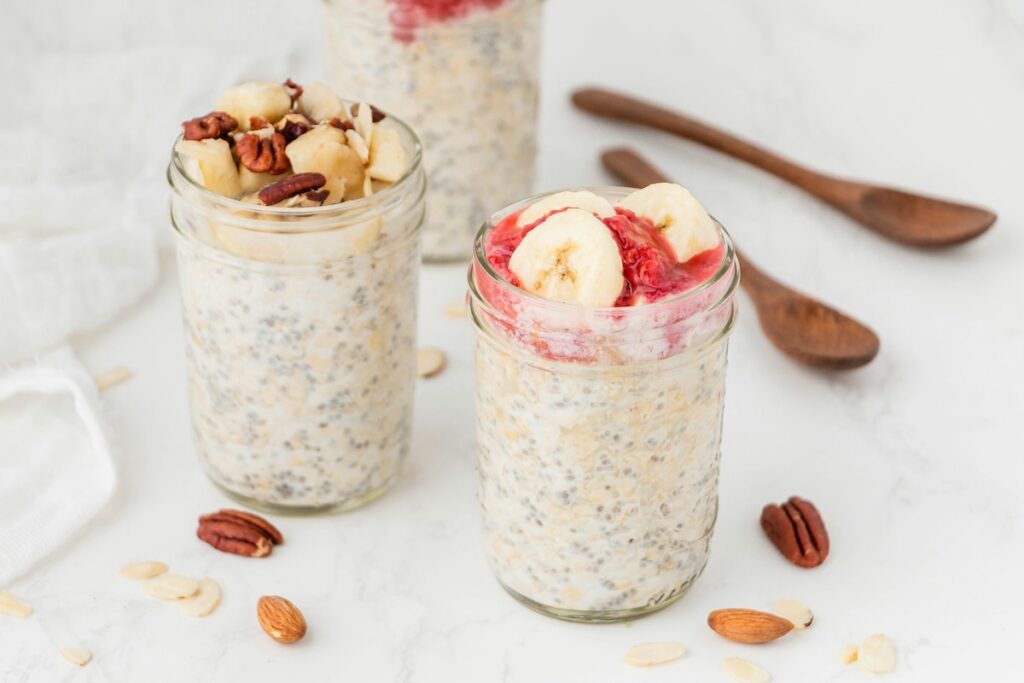
- Add ¾ cup of plain Greek yogurt, ½ cup of uncooked rolled oats, and ½ cup of milk to a jar or sealable container.
- Stir in 1 tablespoon each of chia seeds and nut butter of your choice.
- Add ½ cup of berries or another chopped fruit and stir until combined.
- Cover and refrigerate overnight, or for at least 4 hours, and eat cold.
Cottage Cheese and Egg Frittata
Estimated calories: 350
Estimated protein: 33 grams
Estimated fiber: 3 grams
- Whisk 2 large eggs with ¾ cup of cottage cheese until well combined. (You can blend them together to get rid of all the curds if you don’t like the texture of cottage cheese.)
- Stir in 1 cup of chopped vegetables, such as spinach, mushrooms, peppers, broccoli, or onions, and season with salt and black pepper.
- Pour the mixture into a small greased baking dish or oven-safe skillet and bake at 375°F for 20 to 25 minutes, or until the center is set.
- Let the frittata cool slightly before slicing. Refrigerate leftovers and eat them cold or reheated for an easy breakfast or lunch.
Tempeh Peanut Noodles
Estimated calories: 550
Estimated protein: 35 grams
Estimated fiber: 9 grams
- Cook 2 ounces of dry whole-wheat spaghetti according to the package directions, then drain and set aside.
- Slice 4 ounces of tempeh into strips and cook in a lightly oiled skillet for 3 to 4 minutes per side, or until browned.
- Add 1 cup of shredded cabbage, carrots, peppers, or other vegetables to the skillet with the tempeh and cook for 2 to 3 minutes, or until slightly softened.
- While the veggies are cooking, whisk together 1½ tablespoons of peanut butter, 1 tablespoon of soy sauce, 1 tablespoon of lime juice, and 1 to 2 tablespoons of warm water until smooth.
- Add the cooked noodles and peanut sauce to the skillet and toss until everything is evenly coated. Serve warm or refrigerate for a cold noodle lunch.
White Bean and Kale Soup With Grilled Cheese
Estimated calories: 640
Estimated protein: 37 grams
Estimated fiber: 13 grams
- Heat 2 cups of vegetable broth in a saucepan and add ¾ cup of drained and rinsed white beans, 1 cup of chopped kale, and chopped carrots, celery, or onions. For a creamier soup, blend about ¼ cup of the beans with ½ cup of the broth using a stick or stand blender before adding the remaining ingredients.
- Simmer for 10 to 15 minutes, or until the vegetables are tender. Season with garlic, black pepper, Italian seasoning, and a squeeze of lemon juice.
- Place 2 ounces of cheddar cheese between 2 slices of whole-grain bread and cook in a skillet until the bread is browned and the cheese has melted.
- Serve the grilled cheese alongside the soup or slice it into strips for dipping.
Buffalo Tofu Wrap
Estimated calories: 450
Estimated protein: 32 grams
Estimated fiber: 6 grams
- Pat 5 ounces of extra-firm tofu dry and cut it into strips. Heat 1 teaspoon of oil in a skillet over medium-high heat and cook the tofu for 3 to 4 minutes per side, or until browned and slightly crisp.
- Toss the tofu with 2 tablespoons of Buffalo sauce until evenly coated.
- Stir together 2 tablespoons of plain non-fat Greek yogurt, ½ teaspoon of ranch seasoning, and a splash of water to make a quick ranch-flavored dressing.
- Spread the dressing over a large whole-wheat tortilla, then add the Buffalo tofu, 1 ounce of shredded cheese, and about ½ cup of shredded lettuce, cabbage, tomato, or a combination. Fold in the sides, roll tightly, and slice in half.
Black Bean and Quinoa Burger
Estimated calories: 500
Estimated protein: 29 grams
Estimated fiber: 12 grams
- Mash ½ cup of drained and rinsed black beans in a bowl, then combine with ⅓ cup of cooked quinoa, 1 large egg, 2 tablespoons of whole-wheat breadcrumbs, and seasonings such as garlic powder, smoked paprika, salt, and black pepper.
- Form the mixture into a large patty and cook in a lightly oiled skillet for 4 to 5 minutes per side, or until browned and firm enough to hold together.
- Stir together 1 tablespoon of plain nonfat Greek yogurt and 1 teaspoon of Dijon mustard.
- Place the burger on a whole-wheat bun and top with 1 ounce of cheese, the Greek yogurt–Dijon sauce, and whatever you like — lettuce, tomato, onion, or pickles. Serve right away, or cook the patty ahead and reheat when you’re ready.
How to Build a High-Protein Vegetarian Plate
- Anchor your meal with protein. Start with the protein source, then build the rest of the meal around it. Tofu, tempeh, eggs, Greek yogurt, cottage cheese, or beans give you a clear starting point for both flavor and the protein math. Seven ounces of extra-firm tofu, for example, can provide around 30 grams of protein, so if your target is 40 grams, you know exactly how much ground the rest of the plate needs to make up. From there, turn it into a breakfast bowl, stir-fry, wrap, or whatever else fits the mood.
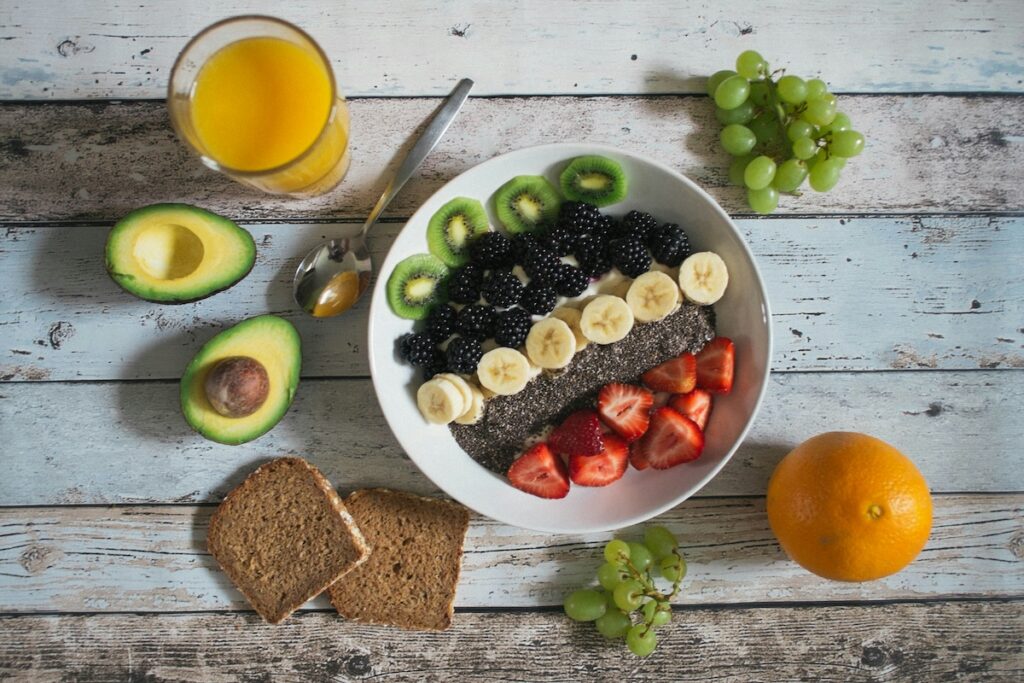
- Prioritize fiber. Protein may get top billing, but fiber is bringing Brad Pitt in Once Upon a Time in Hollywood levels of supporting acting. Eating more fiber is associated with a lower risk of chronic disease and premature death, and men and women 50 and younger should generally aim for 38 and 25 grams per day, respectively. A lot of vegetarian protein staples — beans, lentils, whole grains, nuts, and seeds — already pack a ton of fiber. Add some vegetables or fruit, and you’re covering a lot of nutritional ground in one meal.
- Don’t skip the flavor and a little fat. If you don’t like what you’re eating, there’s no shot you’ll stick with a higher-protein, higher-fiber approach for long. Start with the dishes and flavors you already crave, then figure out how to recreate them. Hot sauce, citrus, herbs, spices, and salsa can add a lot of flavor for very few calories. Fat deserves a spot, too; just keep an eye on portions, since it’s calorie-dense. Cheese, olive oil, nuts, seeds, and avocado can make a meal taste considerably more like something you actually want to eat.
- Batch-cook the ingredients: Most meals are better fresh, so instead of assembling everything days ahead of time, prep the components. Cook your protein, chop your vegetables, portion out nuts or seeds, and make any sauces or dressings in advance. Then put the meal together when you’re ready to eat. You still get the convenience of meal prep without opening the fridge to a soggy wrap or sad bowl two days later.
Frequently Asked Questions
Pick a main protein source, like tofu, tempeh, lentils, beans, eggs, Greek yogurt, cottage cheese, nuts, or seeds. Then, stack that source with whole grains, cheese, and veggies for additional protein and fiber. You can get all the amino acids — the building blocks of protein — you need from a vegetarian diet as long as you’re thoughtful and aware.
Dishes built around soy, eggs, or dairy tend to make it relatively easy to get a lot of protein. Think a tofu and edamame stir-fry, tempeh noodles, an egg-and-cottage-cheese frittata, or chickpea pasta with Parmesan. The trick is to combine multiple protein sources instead of asking one ingredient to do everything.
Yes. Muscle growth still comes down to resistance training, eating enough total calories, and getting sufficient protein. Research has found that high-protein plant-based diets can support muscle protein synthesis and resistance-training gains comparable to omnivorous diets when total protein intake is matched.
Pick a protein, add a vegetable and carbohydrate, then make it taste good. Tempeh peanut noodles, chickpea pasta with Parmesan, a Buffalo tofu wrap, or white bean soup with grilled cheese can all work. Batch-prepping the individual ingredients makes dinner even easier without consigning you to three-day-old, assembled meals.
Bottom Line on High-Protein Vegetarian Meals
You don’t need meat — or a cabinet full of protein powder — to put together a legitimately high-protein meal. Anchor the plate with tofu, tempeh, beans, eggs, or dairy, then let the rest of the ingredients help close the protein gap. Add plenty of fiber, make it taste like something you actually want to eat, and vegetarian protein stops feeling like much of a project at all. For more ideas, check out our high-protein lunches.
Several of these work at midday too. For more midday options, including high-protein lunch meal prep that doesn’t repeat itself, start here.
Experts Who Contributed
- Andrew Gutman, NASM-CPT, wrote this article.
- Lauren Keary, NASM-CNC, reviewed this article for accuracy.