8 Kitchen Items Shedding Microplastics Into Your Food
 Personal Growth
The 5-minute wellness digest trusted by 1.1M+ readers.
Our 5-minute wellness digest helps over 1.1 million readers cut through the noise with science-backed health insights, practical tips, and recommendations for living well.

Every day we publish stories that cut through the noise with expert insights, science-backed advice, recipes, and thoughtful tips for living well. These are the ones we think you should read.

 Recipes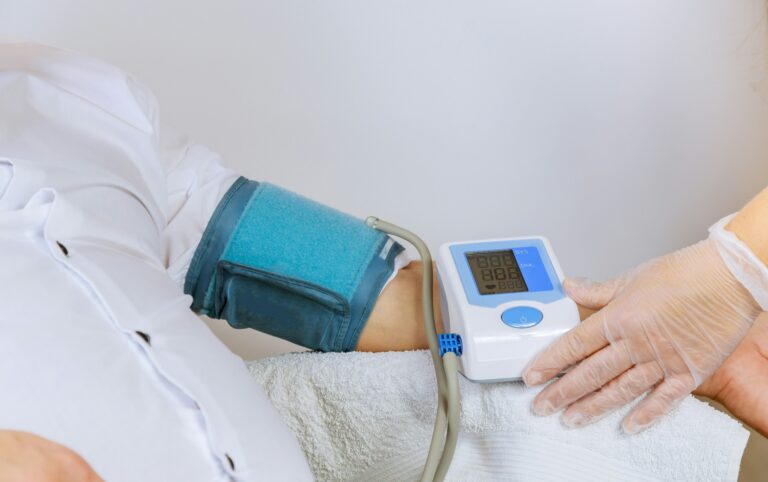
From ultra-processed foods to too little sleep, these 11 common habits could be quietly raising your blood pressure. Here's what cardiologists say to watch for — and simple swaps that make a real difference over time.
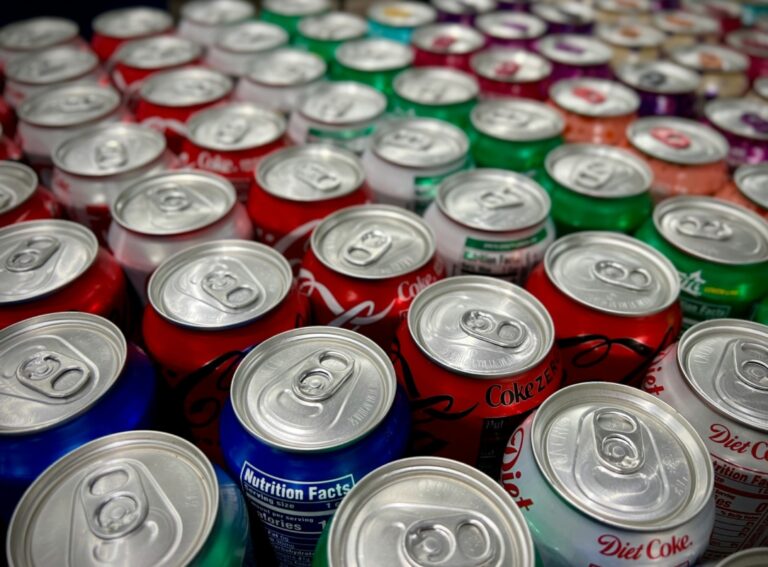
Sugar Rush: Although you probably don’t remember a single meal from your first two years of life, a new nutrition study from the U.K. suggests your body might. Here’s the background: Sugar intake in Britain nearly doubled overnight when sugar rationing ended there in September 1953. Consequently, babies born only months apart grew up with very different sugar exposure in early life. So researchers used that fact to study what early sugar exposure does to a body decades later. The Study: Researchers relied on health records from more than 64,000 people born in Britain between 1951 and 1956. Longer exposure to sugar rationing tracked with lower rates of several cancers decades later, including 69% lower rates of liver cancer and 36% lower rates of breast cancer, plus longer telomeres (a sign of slower biological aging) equal to about 2.2 fewer years of cellular aging. The Takeaway: People who grew up under sugar rationing still consumed less sugar in their fifties, decades after rationing ended. So researchers suspect whatever you eat in early childhood likely affects your taste buds in adulthood. Keep in Mind: This is an observational study drawn from a unique moment in history. It shows a connection, not […]
 Nutrition
 Mindfulness
Cognitive slip-ups are often the first place short sleep shows up. From blanking on names to losing your train of thought mid-sentence, here are 6 signs of sleep deprivation your brain sends before the rest of you catches up — plus what's actually happening while you sleep, and when it's time to see a doctor.
 Cognitive Health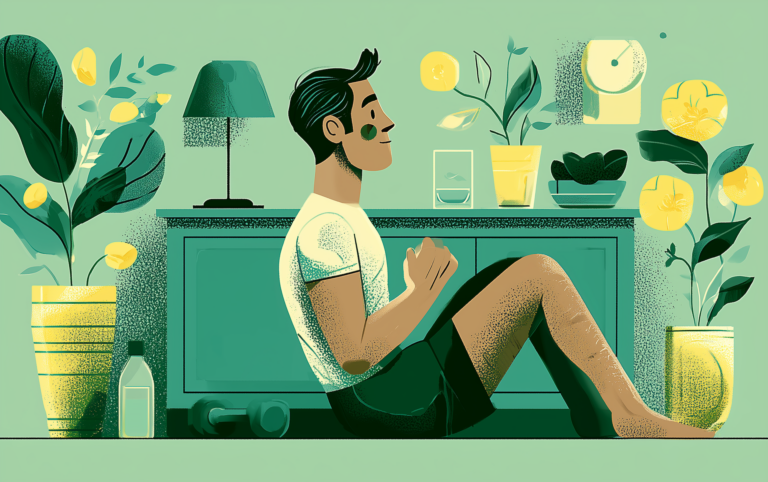
A 5-minute core workout sounds too short to matter, but done consistently, it builds real core strength and endurance — no equipment needed. Here's the science behind short workouts, plus a simple five-move bodyweight routine you can start today.
 Fitness
The Trend: Bladeborn fitness classes. Odyssey-inspired workout programs. Daggers as dumbbells. These are just a few examples of the “romantasy” (romantic fantasy) workout trend. That’s right: getting giddy over your favorite trope is no longer reserved for book club. At places like Boston’s Fit for Fiction, you can work on your fitness and nerd simultaneously. What People Are Saying: Pawtucket, Rhode Island-based certified personal trainer Laurel Mulherin says her romantasy fitness classes are designed for people who might be intimidated by a regular gym, or feel like they don’t fit in at one. It’s a way to “get some people to the gym who also love these books and love these characters,” Mulherin told The Valley Breeze. An Independent reporter tried a free YouTube class and says she got swept up in the fantasy narrative — and discovered that the whimsical 2.6-pound weighted daggers can quickly torch your arms. And at Swordplay in L.A., nearly 200 members regularly attend sword-based fitness classes. What to Know: As always, the best workout is the one you actually want to do. If pretending to be a dragon-slaying heroine gets you moving, we call that a win.
Fitness 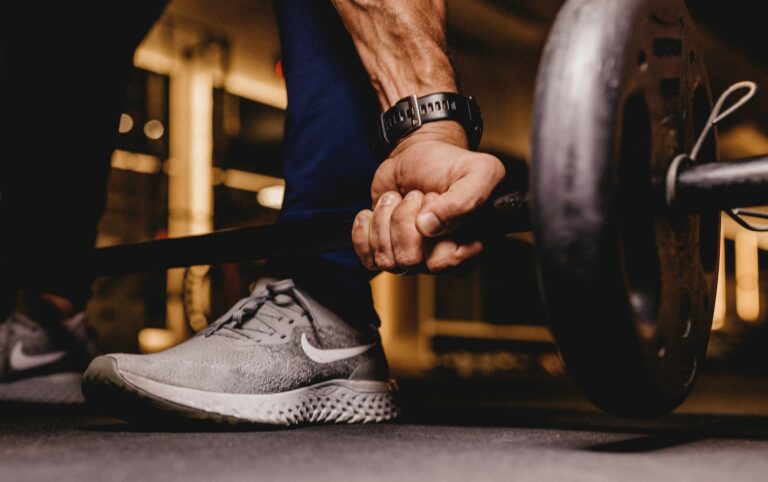
Grip strength does more than help you crush a handshake or open a jar. Research links it to better heart health, cognitive function, and longevity. Here are 8 exercises to strengthen your grip and forearms, plus why it matters more than you might think.
Fitness 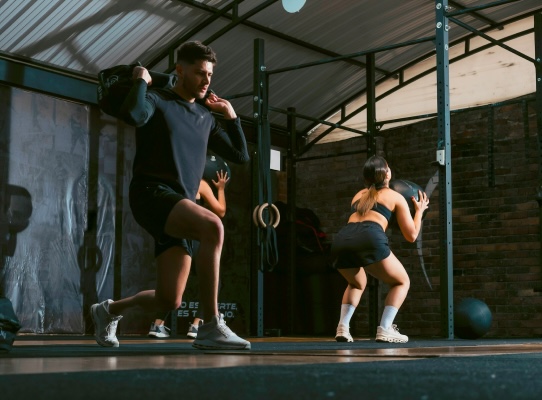
Work Smarter, Not Harder: When it comes to workouts, most of us have been told that more effort and pushing harder means more benefit. But a new study is challenging that logic, at least when it comes to blood sugar control. Instead, how a workout is structured might matter more than its intensity. The Study: Researchers had participants complete four sessions. Two were hard workouts matched for total effort — one broken into intervals with recovery periods and the other was sustained at a steady pace throughout. They also included a moderate workout and a rest day for comparison. Both hard sessions demanded the same effort from the body, but only the interval workout improved insulin sensitivity compared with the rest day, and produced better results than both the moderate and high-intensity continuous workouts. The Takeaway: Nonstop intense effort didn’t beat a workout alternating bursts of work with recovery. That interval pattern (hard effort followed by recovery) may do more for insulin sensitivity than one sustained push, so you might not have to grind through an entire session at max effort to improve your blood sugar. Keep in Mind: This was a small study of 10 healthy, already active adults, so […]
Fitness 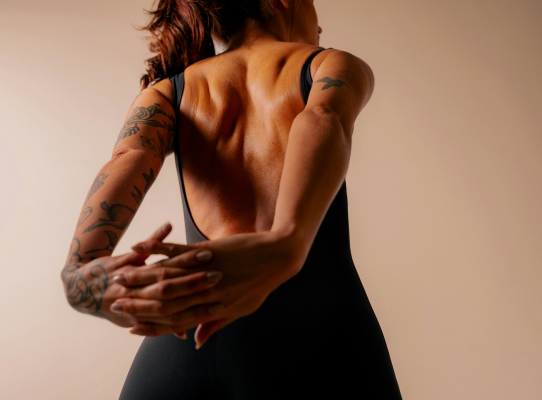
You Should Know: If you experience a dramatic crack when you twist or stretch your back, there’s no need to be alarmed (as long as you’re not experiencing pain). The noise typically comes from your facet joints — the small joints connecting the vertebrae — as pressure changes inside their synovial fluid, creating a gas-filled cavity. Scientists still debate the precise mechanics, but the phenomenon is generally considered harmless. Going Deeper: So why does back-cracking feel so good? Research suggests people can experience a sense of relief from the cracking sensation or even the sound itself, potentially because we associate that pop with releasing tension. Why some people crack more than others isn’t completely understood. Joint anatomy, mobility and individual differences in the tissues surrounding a joint may all play a role. And once a joint cracks, it enters a temporary “refractory period” during which it can’t immediately crack again, likely because the gas needs time to redistribute or dissolve. Takeaway: When your back cracks and makes a sound, it’s usually harmless. (And research hasn’t established that cracking joints leads to arthritis). Bottom Line: You can safely enjoy back-cracking when it comes easy and occasionally, but don’t force painful or […]
Fitness 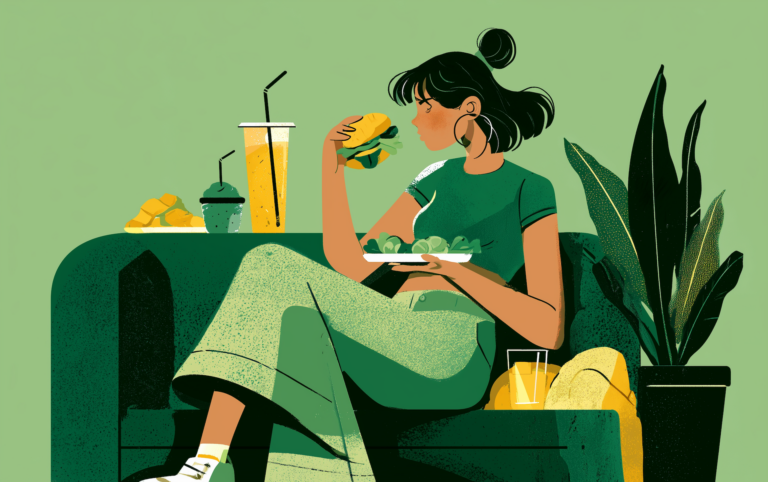
Some of the worst foods for gut health are hiding in your everyday diet. Here's what to limit, why it matters, and simple swaps that support a healthier microbiome.
Nutrition 
Out of Sync: Traveling comes with ups and downs. Not being able to poop is a really big down. “Gut jet lag” is common among travelers, particularly after long-haul flights crossing different time zones. Tummy trouble during travel is connected to our circadian rhythm, the body’s natural internal “clock.” In addition to our sleep cycle, the circadian rhythm also helps regulate digestion. When our gut and our circadian rhythm are synced, they promote healthy digestion, hormone secretion, and body temperature. Disruptions to this clock can make digestion slow to a crawl, resulting in constipation. How to Do It: Try to keep your body clock close to its normal schedule. Take melatonin to tell the body it’s time to sleep, and get morning sunlight on your face ASAP when you land. Drink lots and lots of water, eat fiber-rich and fermented probiotic-rich foods, and move as much as possible after the flight. If nothing else works, try magnesium citrate or OTC constipation remedies to get things moving. It’s easier said than done, but try to stay calm. Travel stress can induce fight-or-flight mode, which also slows digestion. The Benefits: Gut jet lag is temporary, but it can be seriously uncomfortable. Getting […]
Nutrition 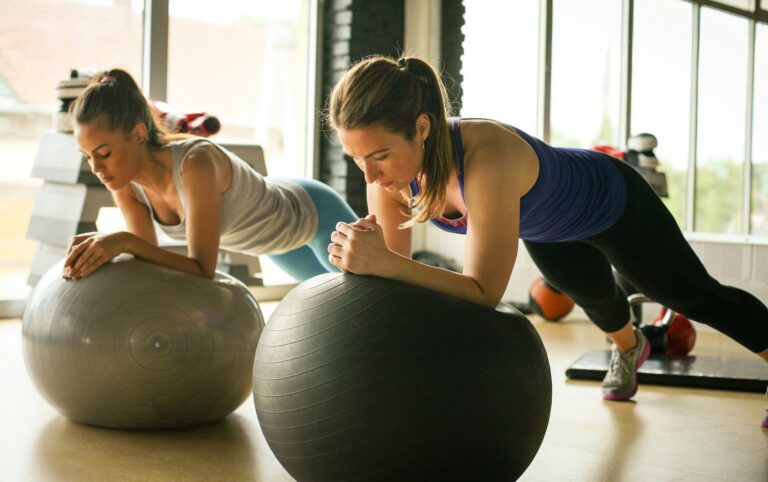
Intense exercise and gut health are more connected than you'd think. New research on elite rowers reveals how mixing hard and easy training boosts beneficial gut bacteria and short-chain fatty acids, plus tips to avoid mid-workout GI distress.
Nutrition 
Burn Baby Burn: Here’s something we can probably all agree on: heartburn sucks. It’s not a big deal if that burning feeling (caused by stomach acid flowing back up into your esophagus) only creeps up in your chest once in a while (like after scarfing down spicy takeout and flopping on the couch). But something bigger (like GERD) could be happening if it’s two or more times a week. Luckily, beating heartburn is a very achievable goal. How To Do It: Start with how you eat. Pay attention to and avoid your personal trigger foods (common ones include citrus, coffee, and rich or fatty meals). Eating smaller meals throughout the day means less acid production overall, and skipping late-night eating and sleeping propped up can help, too. If those steps don’t work, there’s also a full range of OTC and prescription options to discuss with a doctor. The Benefits: Addressing heartburn can do more than ease discomfort. Left untreated, that repeated exposure can inflame the esophagus and cause scarring and narrowing. In rare cases, it can even lead to Barrett’s esophagus or esophageal cancer.
Nutrition 
Is it better to shower in the morning or at night? It's an even split among Americans — and both camps have science on their side. Here's what each does for your body.
 Sleep
Sleep 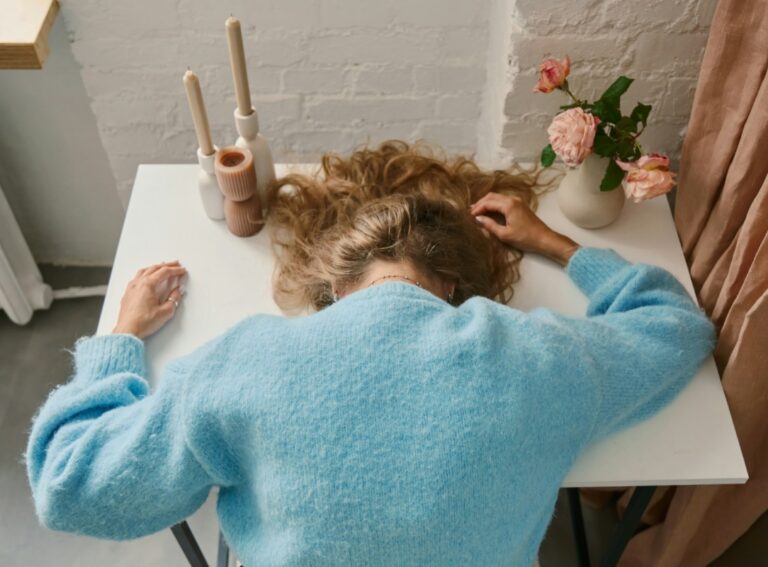
Cannabis-Cortisol Connection: Frequent cannabis use may be linked to changes in the body’s natural stress response, according to new research from Oregon State University. The study found that people who frequently used cannabis had higher levels of cortisol — the hormone involved in regulating stress — when they first woke up than people who didn’t use cannabis. The Study: Researchers focused on the cortisol awakening response (CAR), a normal surge in cortisol that occurs shortly after waking and helps prepare the body for the demands of the day. Interestingly, the size of that cortisol increase was similar between cannabis users and nonusers. The difference was that frequent users started the morning with more cortisol already circulating in their bodies, and then still experienced the increase. Takeaway: Frequent cannabis use could disrupt the body’s natural stress response. Stress is also one of the most common reasons people report using cannabis, raising the possibility of a feedback loop in which cannabis use and stress regulation influence each other. Keep in Mind: The study does not prove that cannabis causes elevated cortisol, nor that elevated cortisol causes people to use cannabis. More long-term research is needed to understand the relationship. However, the findings […]
Sleep 
You Should Know: Making your bed may give you a sense of accomplishment and order to start the day, but there’s a case for leaving it unmade for a little while. Overnight, your body releases moisture through sweat and breathing (as much as 700 mL!), and immediately covering that damp bedding can create a warmer, more humid environment where dust mites thrive. Experts suggest pulling back the covers and letting your bed air out for 30 to 60 minutes before making it. Going Deeper: The gross-out factor may be bigger than the actual health threat. Dust mites are microscopic creatures found in many homes, and their droppings and body fragments can trigger allergies and asthma, but they don’t generally make healthy people sick. The bigger concern is for people who are sensitive to them, like those with severe allergies. Keeping indoor humidity below 50%, washing bedding weekly, and using allergen-proof mattress and pillow covers can help reduce exposure. Takeaway: You don’t have to choose between a tidy bedroom and a healthier sleep environment. Simply make your bed later — after you’ve showered, had coffee, or have otherwise given your bedding some time to breathe. Bottom Line: Making your bed isn’t […]
Sleep 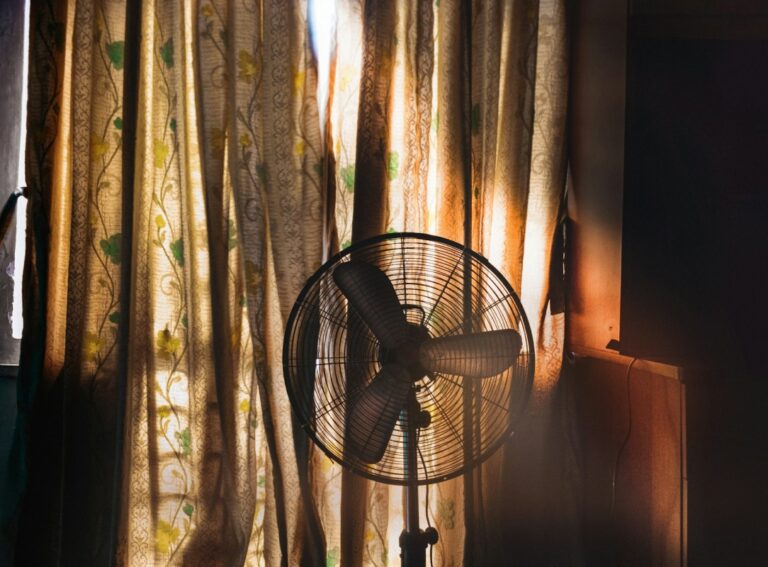
It’s a Hot One: The summer of 2026 is on track to be one of the hottest summers on record, per the NOAA. Most of the U.S. has a heat index forecast for August of at least 80 degrees Fahrenheit. Some parts of the U.S. are expected to fall into “extreme caution” and “danger” zones. If you live in an area where air conditioning isn’t the norm (hi, SoCal) you may have noticed that it’s hard to sleep in this heat. We’ve got a few tricks to help. How to Sleep Well in the Heat: Invest in sun-blocking drapes and keep them drawn in the afternoon to prevent your home from warming up too much before bedtime. Use fabrics like bamboo or linen for bedding — same for pajamas (we really like this brand). Consider stashing your pillowcase in the freezer for 15-20 minutes before bed (yes, it works!). And if you find yourself getting frustrated, don’t lie in bed and suffer. Try reading, coloring, or another low-stim activity until you feel sleepy again. The Benefits: Sleep deprivation, even a mild case, can lead to brain fog, low mood, irritability, memory problems, weakened immunity, and more. When you sleep well, […]
Sleep 
Stinking Thinking: Ever have the experience where one critical comment plays on repeat in your head? Well, your brain’s default mode network (which switches on whenever you’re not focused on anything in particular, like in the shower or lying awake at night) may be to blame. A 2023 study scanned the brains of 53 women while they listened to critical comments and praise. Those at higher risk for depression showed more activity in this network after hearing criticism, but not after hearing praise. Researchers think the brain can be primed to latch onto criticism, but luckily, harnessing your brain’s neuroplasticity can help you break the pattern. How to Do It: There’s a reason why affirmations remain so popular — they really work. So try saying the opposite out loud (something simple like “I handled this before” or “I’m doing fine” works best) next time you find yourself caught in a rumination spiral. Do it enough, and you’ll end up creating new neural pathways inside your brain. The Benefits: Giving yourself positive affirmations basically gives your brain new material to practice instead of the old script. If you repeat it enough, your mind will find evidence to back it up, effectively […]
Mindfulness 
Setting goals is easy, but achieving them is hard, and talking about them too soon can backfire. The WOOP goal setting method gives you a practical, research-backed framework for turning wishes into action by planning for the obstacles that get in your way.
Mindfulness  Mindfulness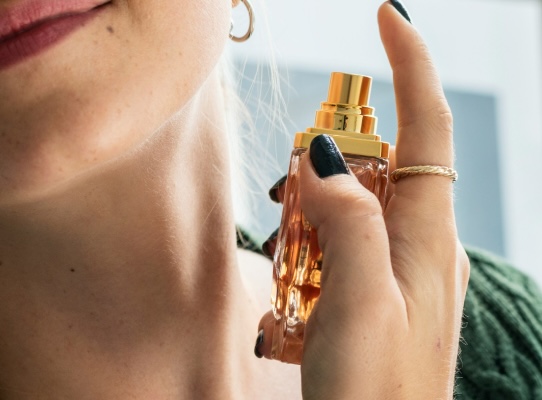
You Should Know: An Instagram video of a cancer researcher cautioning people against spraying perfume on their necks because of proximity to the thyroid recently went viral, with more than 3 million views. But could a dab or spritz of fragrance on your neck actually be harmful to your health? Going Deeper: The cancer researcher cited a 2025 review of studies of chemicals in cosmetic products and fragrances. She wrote in the video’s caption that because people often use several cosmetic products every day, frequent exposure has a potential cumulative effect on our hormones and cancer risk. She said the neck is “an area worth thinking about” because it’s close to the thyroid and has thin, vascularized skin, which could speed absorption. But she also wrote that there’s “currently no evidence” that spraying perfume on your neck damages the thyroid. Takeaway: That’s correct. There is no such evidence. There’s also no solid evidence that perfumes disrupt the endocrine system, harm fertility, or raise cancer risk. The International Fragrance Association sets rules (based on research) of what ingredients manufacturers can safely use. Bottom Line: It’s far more likely that perfume will irritate your skin or make you sneeze than cause cancer.
 Beauty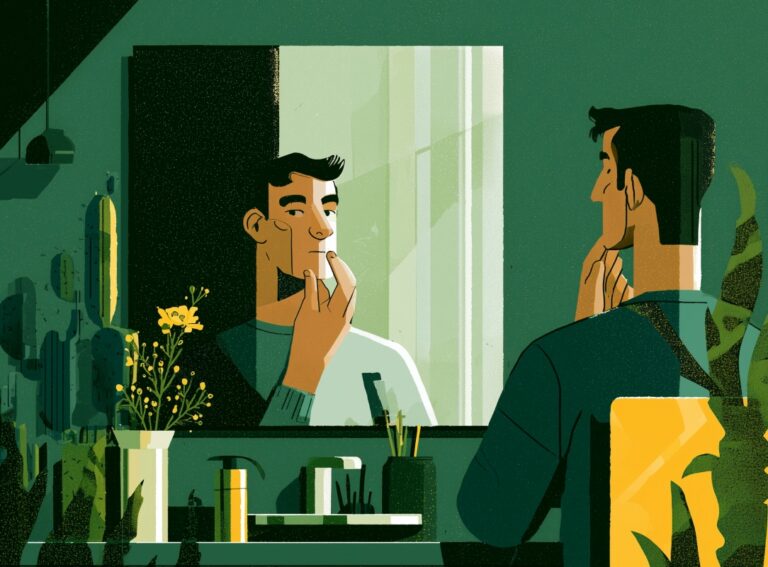
The Trend: Gen Z’s infamous “maxxing” trend continues with the development of “voicemaxxing.” Closely linked to “looksmaxxing,” this viral trend has young men humming, practicing diaphragmatic breathing, and hydrating to achieve their “best” voice. This might not sound so bad until you factor in the mewing, neck crunches, mouth-taping, and other speculative practices encouraged by downloadable guides and AI voicemaxxing apps that are profiting off of insecurity. What People Are Saying: Singing teachers may approve of humming and breathing exercises, but the proof stops there. Adding depth and volume to your voice comes from releasing tension in your jaw, not building up your neck muscles like some guides promote. And while studies have shown that women tend to prefer deeper voices in men, they also suggest that faking a deeper voice does not make men more attractive to women. What to Know: Ranging from “bigorexia” to literal bone-breaking surgery to unnecessary TRT, men are facing more appearance-focused troubles than ever. If you’re experiencing anxiety over your voice, appearance, or age, it’s worth visiting a mental health professional. And try to resist the urge to give your money to an AI app that tells you what’s “wrong” with your face or […]
Beauty  Beauty
You Should Know: The latest longevity concept that’s creating a buzz in the research community might not be familiar yet, but experts say you’ll be hearing a lot more about it in the future: intrinsic capacity (IC). In a nutshell, it’s a holistic measure of the body’s mental and physical capabilities. Going Deeper: The term has been around for more than a decade, after being defined by the World Health Organization (WHO) in 2015. Incorporating IC as a longevity measure is part of the WHO’s healthy aging initiative, which aims to shift more focus to helping people maintain functionality as they age, not simply ward off disease. Everyone has their own IC, influenced by genetics, disease, injury, aging, environmental exposures, and systemic influences (like access to healthcare). Takeaway: IC scores focus on five subdomains: cognition, strength and mobility, vision and hearing, psychological wellbeing, and vitality. Research has shown IC scores correlate with disability and mortality risk. Some strength and mobility tests (like grip strength) are already regularly used to assess older adults’ health. Bottom Line: Research is still in the early stages, but there’s potential for physicians to track patients’ IC over time to detect declines and intervene earlier.
Personal Growth 
The Trend: As life becomes more convenient and increasingly digital, we’re also interacting with one another less — and talking less, too. One new study found that, since 2005, the average person has been speaking roughly 338 fewer words each day for every year that has passed — adding up to a nearly 30% decline overall. The drop was especially pronounced among people under 25. What People Are Saying: Some point to our increasingly “me”-centered culture, in which convenience and efficiency win out over everything else. Think about choosing self-checkout over a staffed register: It’s faster and easier, but it also removes one of those small, everyday opportunities for human connection. The shift extends into the workplace, too. Remote jobs have become increasingly desirable, but research suggests that all that solo screen time could be contributing to greater loneliness. What to Know: If you constantly find yourself choosing convenience over interaction, you may be unintentionally siloing yourself into a bubble. Ordinary conversation has value beyond exchanging information. A chat with a cashier, coworker, or neighbor may feel inconsequential, but those small interactions help keep us socially connected. In an increasingly optimized world, a little inefficiency might actually be good for […]
Personal Growth  Personal Growth
 Hormonal Health