
What Vitamins Are Good for Gut Health?

Your gut supports your overall health, but it needs support from you via a whole-food diet to do so. Here’s how to feed your gut.
Improved gut health can boost your overall wellbeing, so are you listening to your gut? Eating nutrient-dense whole foods that contain gut-supporting vitamins, like vitamins D, A, C, B, and K can improve your gut health. The relationship actually runs both ways: certain vitamins feed your gut, and your gut bacteria provide your body with enzymes necessary to regulate your health. Additionally, short-chain fatty acids — compounds your gut bacteria make when they break down carbs and dietary fiber — are produced in your gut during digestion.
Simply put, research shows this process in your gut helps control inflammation, regulate your immune system, reduce obesity, and more. The best news? Most of these vitamins your gut needs to carry out these processes probably already come from the foods you are eating. Here, registered dietitians Alison Swiggard, MS, RD, LDN, founder of In Good Company Nutrition, and Ilana Schachter, RDN, of Consumer Health Digest, weigh in on exactly what vitamins are good for gut health, plus how they support your overall wellbeing.
TL;DR
Nutrients help maintain the gut lining, feed microbial diversity, and support immunity. But you might wonder, what vitamins are good for gut health? The vitamins most linked to gut health are D, A, C, B, and K. While your daily dose of these vitamins typically comes from a varied diet, there are some, like vitamin D, that many people fall short on.
Key Takeaways
- The most-studied vitamins for gut health are D, A, C, K, and the B vitamins.
- Vitamin D stands out for helping maintain the gut lining and a balanced microbiome, though intake of this vitamin is the most common shortfall from diet alone.
- Intake of these nutrients isn’t the only thing supporting gut health — your gut bacteria synthesize some of your B vitamins and vitamin K, which provides additional benefits.
- When you think of vitamins for gut health, you don’t necessarily have to add a supplement to your diet. Instead, a varied whole-food diet covers most of your needs.
What the Research Says About Vitamins for Gut Health
Your gut — which includes the mouth, the esophagus, the stomach, the small and large intestines and the anus — breaks down the food you eat, and helps your body absorb necessary nutrients from your diet. A healthy gut microbiome (made up of thousands of species of bacteria, viruses, fungi, and parasites) is one of the keys to overall health, and may even support longevity, according to research. One 2022 review published in Gut connected the gut microbiome to a range of health conditions, including obesity, type 2 diabetes, inflammatory bowel disease, and certain cancers.
We’re becoming increasingly aware of just how beneficial vitamins are for gut health, and the role gut health plays in our longevity. Dietary fiber is important for feeding the bacteria in the gut, which supports biological functions in the body as well as your gastrointestinal tract.
“When it comes to supplements for gut health, the goal should not be to take the most. It should be to take what your body actually needs”
For example, vitamin A supplementation helps support proper immune system function in the gut. Conversely, low vitamin D levels have been associated with higher levels of inflammatory bowel disease, leading to a reduced quality of life. In other words, getting enough of these vitamins appears to help your gut defend itself and stay calm, while running low may leave it more open to inflammation.
While emerging research around how much and what types of supplements can shift the gut microbiome is helping us understand more about how important our gut health really is, there’s still plenty of confusion on what’s truly beneficial.
“When it comes to supplements for gut health, the goal should not be to take the most. It should be to take what your body actually needs,” says Swiggard.
How Vitamins Support Your Gut (and How Your Gut Returns the Favor)
Vitamins help support the body systems that keep the gut functioning well, including the immune system, intestinal lining, energy production, and tissue repair, Swiggard explains. But the two also work together: Gut health also affects vitamin status. For example, the gut microbiome plays a role in producing or metabolizing some nutrients, creating a self-sufficient system to keep the body healthy, and on the flip-side, certain GI conditions can impair absorption.
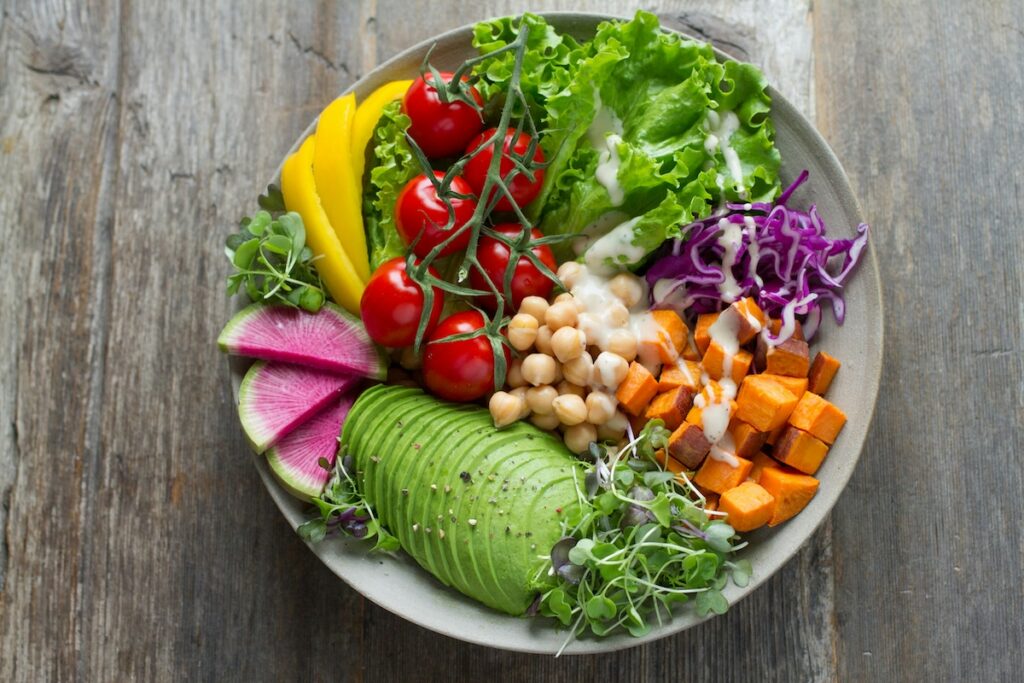
Some vitamins reinforce the gut lining and the junctions between cells (vitamin D), support the mucosal immune system (vitamins A and D), and help feed a more diverse microbiome and its short-chain fatty acids (vitamins C and B2).
The Key Vitamins for Gut Health
“A food-first approach remains the foundation of gut health, emphasizing fiber-rich foods such as fruits, vegetables, legumes, whole grains, nuts, seeds, and fermented foods when tolerated,” says Schachter.
These are the nutrients that play a role in gut-related functions.
Vitamin D
When it comes to vitamin D and gut health, the nutrient is involved in immune regulation, according to Schachter. While low vitamin D levels in the gut are linked to higher instances of IBD, the nutrient may help support patients with IBD, such as reducing the risk of surgery for those with Crohn’s disease.
The current Recommended Dietary Allowance (RDA) of vitamin D is 600 International Units (IUs) for those age 70 and under. Most foods don’t contain much vitamin D unless it’s added, such as in fortified cereal. Other dietary sources of vitamin D include fatty fish, like salmon or mackerel, and eggs. Typically, your body makes vitamin D from direct sunlight on the skin, so the amount you get can vary depending on the time of year or how much sun exposure you get, affecting your vitamin D levels. This is where supplementation comes in, if your healthcare provider deems it necessary.
Sometimes, your body doesn’t properly absorb vitamin D, which can happen in those with inflammatory bowel diseases, like Crohn’s disease or ulcerative colitis. These gut conditions can prevent proper nutrient absorption.
Vitamin A
Vitamin A supports tissue integrity and immune function, Swiggard says. Vitamin A supports the gut’s mucosal lining — the moist, protective barrier that lines your gut wall and helps block harmful microbes — assisting in keeping us healthy and boosting our immune system, research shows.
The RDA of vitamin A is 900 micrograms (mcg) for men and 700 mcg for women, but more is required during pregnancy (770 mcg) and for those who are breastfeeding (1,300 mcg). Beta-carotene in colorful produce, like carrots, spinach, and sweet potatoes, is converted into vitamin A in the gut. You can also find vitamin A in foods like liver, eggs, and dairy.
As long as you eat a variety of fresh foods, there’s usually no need for supplementation. Certain health conditions, like cystic fibrosis or celiac disease may require vitamin A supplements, but it’s best to check with your doctor.
Vitamin C
Vitamin C may help beneficial gut bacteria flourish. A small study published in Future Microbiology found that vitamin C supplementation increased levels of the gut bacteria Bifidobacterium — a group linked to immune support — by roughly threefold. Additionally, research published in Gut Microbes found that vitamin C supplementation increased the diversity of gut microbes and the amount of short-chain fatty acids. Recent research published in Scientific Reports found that short-chain fatty acids can support the lining of the gut and even boost the gut-brain connection.
The RDA of vitamin C, also known as ascorbic acid, for adults is 90 mg for men and 75 mg for women. Citrus fruits, peppers, berries, broccoli, and baked potatoes are all great dietary sources of vitamin C.
B Vitamins
There are eight B vitamins that make up the B complex. B vitamins, such as folate and B12, support normal cell turnover and energy metabolism, Schachter says. Research published in mSystems confirms gut bacteria have the potential to produce all eight B vitamins. Additionally, B vitamins are among the vitamins for digestion that matter most, especially when absorption is impaired, according to Swiggard.
The recommended dietary allowance of B vitamins is different for each. Men need 1.2 mg and women need 1.1 mg daily of thiamin (B1), a B vitamin that helps provide energy. Adults need 400 mcg daily of folate, or B9, which helps keep your red blood cells healthy and is often most associated with healthy pregnancy.
Dietary sources of B vitamins include whole grains, legumes, eggs, leafy greens, and animal proteins.
Vitamin K
Vitamin K is connected to your gut bacteria because some forms of this nutrient are actually produced by microbes in the colon, Swiggard says. This vitamin helps to support your gut-whole body connection. Preliminary research published in Frontiers in Immunology suggests this vitamin is useful in supporting intestinal health and may even help prevent diseases like inflammatory bowel disease and colorectal cancer.
The daily intake recommendation for adult men is 120 mcg and 90 mcg for adult women. Add leafy greens, vegetable oils, or fermented foods, like sauerkraut or kefir, to your plate to help with intake.
How to Get Enough of These Vitamins for Gut Health
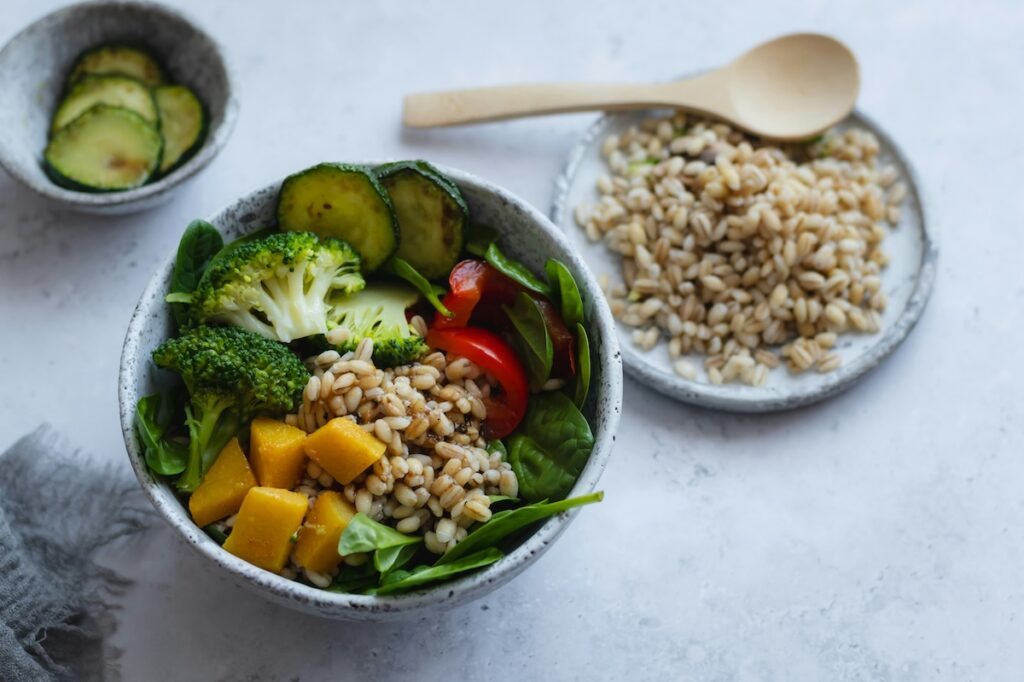
Filling your plate with varied whole foods will help to ensure you are getting your fill of all the gut-healthy vitamins — there’s no need to focus your meals around one vitamin. And, be sure to pair fat-soluble vitamins (A, D, and K) with dietary fat to help with absorption. For example, you can add some healthy fats, like olive oil, avocado, or nuts to your meal.
To weed out any nutrient deficiencies (looking at you vitamin D), your healthcare provider can administer a blood test to help identify any areas you’re lacking. Then, they can help you figure out how to switch up your diet or incorporate supplements to best support your gut health.
“Food-first does not mean supplement-never. Look at the full picture before deciding whether a supplement is actually useful,” Swiggard says.
And remember, if you’re considering a supplement, more isn’t always better. Too much of certain nutrients, like vitamin D, which can build up in the body and bloodstream, will do more harm than good. Check with your doctor or dietitian before starting any new product or to see if adding a supplement to your routine will be beneficial.
Frequently Asked Questions
There isn’t a single best vitamin for gut health. Instead, consuming a diet that’s rich in vitamins D, A, C, B, and K will support your gut health. Foods like fish, leafy greens, eggs, cherries, peppers, dairy products, and fiber-rich foods like bananas and oatmeal will help you meet your daily intake. Additionally, minerals like zinc and magnesium help to maintain gut health.
Unfortunately, the answer isn’t black and white, and it depends on your own personal health and needs. Supplementation for gut health is often best for those with diagnosed nutrient deficiencies, restricted dietary patterns, or medical conditions that impair absorption.
“I do not recommend taking vitamins specifically for gut health unless a deficiency has been identified or there is a clear clinical need,” Schachter says. Focusing on fiber-rich, minimally processed foods provides a more effective and evidence-based approach to supporting gut function and the microbiome, she adds.
To improve your gut health, focus on the foods you’re eating. The good bacteria in your gut are fueled by fiber, and adults should get 14 grams of fiber per 1,000 calories in their daily diet, according to dietary guidelines. You’ll also want to pay attention to your daily routine: Research shows getting enough sleep and exercising 150 to 270 minutes per week supports gut health.
Yes. Your gut bacteria synthesize several B vitamins, including biotin and folate, plus vitamin K. Research in mSystems found gut microbes have the potential to produce all eight B vitamins. This homemade supply works alongside your diet, though what you eat still provides the bulk of what your body uses.
On their own, no. Vitamins like A and D help support and maintain the gut lining, but they work as part of a bigger picture that includes fiber-rich and fermented foods. If you have ongoing gut symptoms or a diagnosed condition, check with a doctor or dietitian rather than leaning on a single nutrient.
Bottom Line on Vitamins for Gut Health
There’s no single vitamin that is good for gut health. Instead, eating a varied diet rich in whole foods that provide vitamins D, A, C, B, and K does more for your gut than chasing one supplement. A diet rich in vitamins supports your gut health, and in return, your gut helps absorb and create vitamins to support your overall health. Before starting any new routine or supplements, talk with your doctor or dietitian to check vitamin levels and pinpoint any nutritional deficiencies. This will help support your gut health — and can be beneficial for your overall wellbeing.
Experts Who Contributed
- Lauren Keary, NASM-CNC, reviewed this article for accuracy.
- Jordan Smith, an ISSA certified running coach, wrote this article.
- Alison Swiggard, MS, RD, LDN, founder of In Good Company Nutrition.
- Ilana Schachter, RDN, a registered dietitian and nutritionist for Consumer Health Digest.