10 Nutrients for Healthy Aging You’re Probably Missing

Researchers flagged 10 nutrients most of us run short on, and noted the everyday foods that can help close that gap.
When people think about eating for longevity, the focus usually lands on what to cut — like consuming less sugar and fewer ultra-processed foods. New research on the nutrients for healthy aging turns our attention toward what might be missing from an otherwise solid diet. A large analysis found that even committed healthy eaters often come up short on a handful of nutrients tied to strong bones, a sharp mind, a regulated metabolism, and a resilient heart.
What You Should Know About Nutrients and Aging Well
Most “eat healthy” advice revolves around cutting out the bad stuff. The trouble is that not getting enough of certain nutrients (which can happen when cutting back) can raise your risk of conditions like osteoporosis and cognitive decline — and these can develop even when your plate looks healthy. Researchers wanted to know which nutrients are both widely underconsumed and closely linked to disease prevention. Their discoveries create a short, useful list rather than a longer one that requires a full diet overhaul.
Going Deeper: The 10 Priority Nutrients
The analysis, published in the journal Nutrients, drew on national health data to compare nutrient intake across eight groups by age and sex, from kids to older adults. Of the 24 nutrients it examined, 21 came up short in at least one group. Ten stood out as the ones to prioritize — some because the shortfalls were especially big, others because the nutrient plays an outsized role in staying healthy over time.
These first five are priorities for pretty much everyone:
- Vitamin D: good for bone strength, mood, immune function, and muscle health (over 90% of people fall short). Find it in salmon and fortified milk.
- Vitamin E: an antioxidant that protects your cells. Find it in sunflower seeds and avocado.
- Calcium: strengthens bones plus nerve and heart function, and it absorbs best when your vitamin D is where it should be. Find it in yogurt and tofu.
- Magnesium: involved in hundreds of processes, including blood sugar and sleep. Find it in spinach and cashews.
- Fiber: feeds the gut bacteria and steadies blood sugar (most people get under half what they should in a day). Find it in black beans, broccoli, pears, and whole grains.
The other five matter more for specific groups of people:
- Choline: brain and liver health, especially important in pregnancy. Find it in egg yolks and chicken breast.
- Zinc: immune defense and skin health; key for teens and during pregnancy. Find it in oysters and cashews.
- Folate: DNA synthesis and fetal development. Find it in asparagus and avocado.
- Omega-3 fats: anti-inflammatory, and they support the brain and heart (your body doesn’t produce them on its own). Find it in sardines and flaxseed.
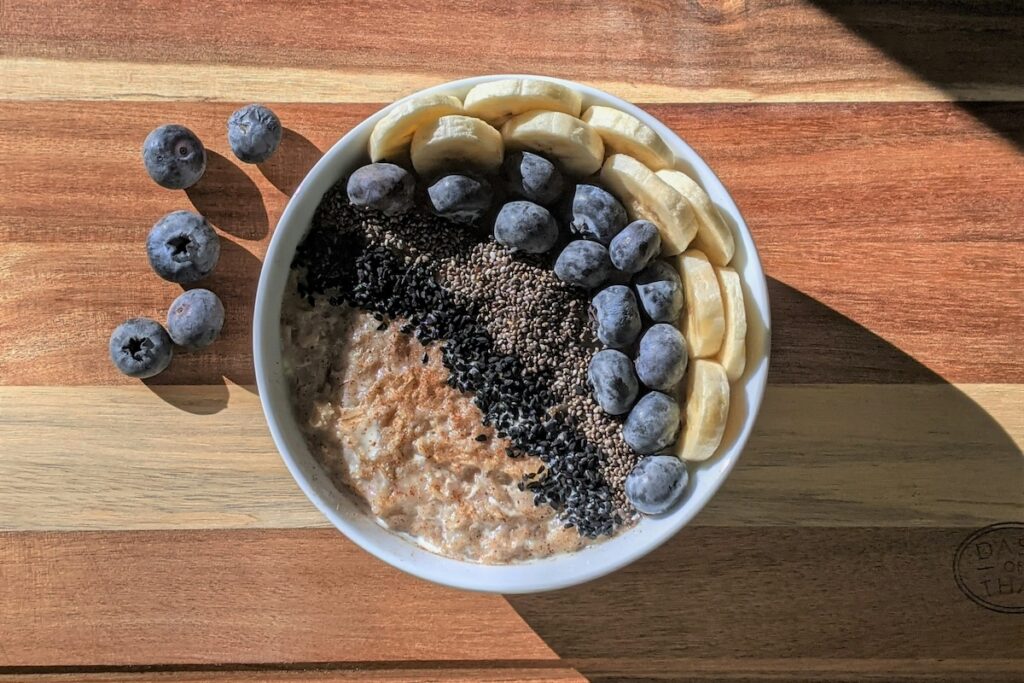
- Potassium: blood pressure and muscle contractions. Find it in bananas and avocado.
This is an intake-gap analysis though, so it shows where the average diet falls short. It’s not a reason to consume large amounts of any single nutrient.
The Takeaway
Research suggests healthy aging may be about what you are consuming, in addition to the foods you’re not consuming. It’s best to build your meals around a few beneficial foods like leafy greens, fatty fish, nuts and seeds, and beans, which cover many of the nutrients on this list at once. If you’re considering supplementation, that warrants a conversation with your doctor first.
Bottom Line
Research does show these nutrients are widely under-consumed and genuinely matter for healthy aging. What it doesn’t show is whether closing the gap with food vs. supplements changes the healthy aging outcome. Intake data also shows where average diets show gaps, but you personally may not be deficient. A test can tell you where you stand compared to the average. And the encouraging part is that these changes are easy to implement and should not be a reason to worry.