Are Dates Good for You? What to Know About the Sweet Fruit

A nutritionist shares exactly how to add dates to your diet for maximum benefits — and taste.
A spike in recipes swapping sweeteners for dates — and claiming a slew of health benefits in the process — has people curious about this stone fruit that was once written off as too full of sugar to be healthy. But that’s all changing.
The popularity of this fruit is surging as people swap processed snacks and treats for whole-food, simple ingredient sweetness, but are dates good for you, or is this naturally sweet treat just another trend?
What You Should Know About Dates
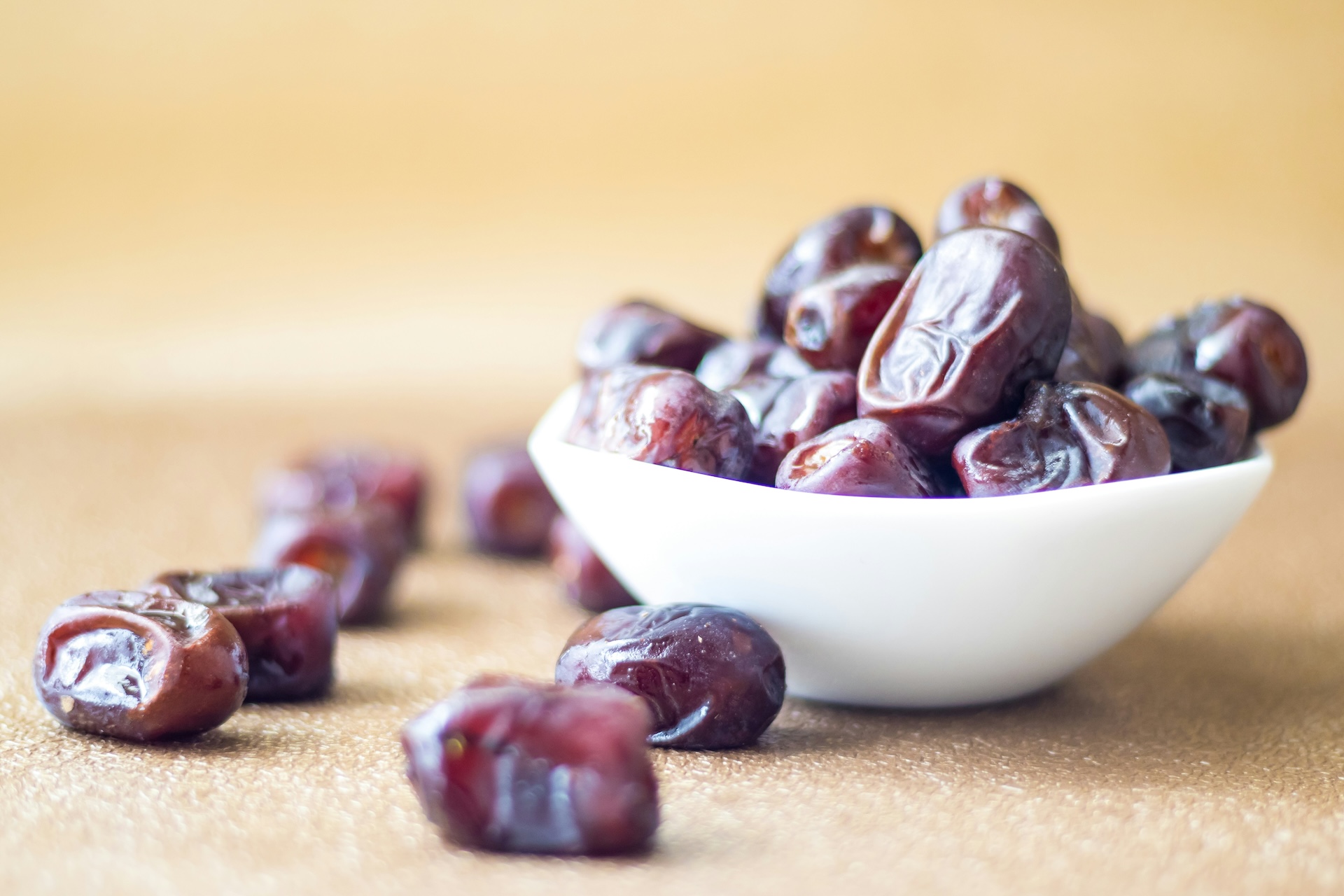
The most common types of dates in the United States are Deglet Noor and medjool. When you think of a sweet date, that’s the medjool, and the Deglet Noor variety has a lighter, nuttier taste. Both are full of fiber, magnesium, antioxidants, and natural sugars, plus a surprising amount of potassium.
In a 100-gram serving (about four dates), medjool dates contain 66.5g of sugar, 6.7g of fiber, 54mg of magnesium, and 696mg of potassium — nearly double what a banana provides. A serving of Deglet Noor dates provides 63.4g of sugar, 8g of fiber, 43mg of magnesium, and 656mg of potassium. A single medjool date runs about 66 calories, so a couple lands around 130 — and the fiber in dates helps slow how fast that sugar reaches your bloodstream, so you don’t get the same spike you would from straight sugar.
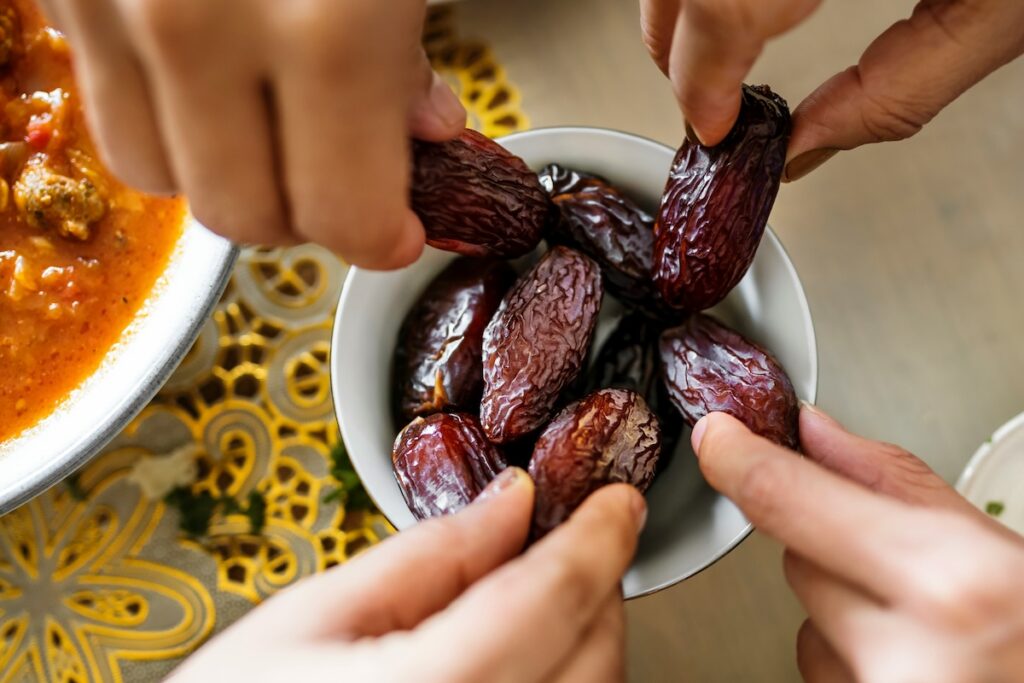
But don’t let their high sugar content scare you off — there are tons of benefits packed into this small fruit. Dates are growing in popularity because they’re a whole food source of natural sugar. They taste sweet and lend delicious flavor but only contain one real ingredient, as opposed to ultra-processed alternatives, explains Anthea Levi, MS, RD, CDN and founder of ALIVE+WELL Nutrition.
So, yes, dates are healthy, Levi confirms.
Going Deeper on the Dates Trend and the Research
Your TikTok algorithm isn’t the only thing serving up date recipes — consumers are taking notice of the health benefits, too. The retail numbers tell the same story. The Guardian reported that medjool sales at the UK grocer Ocado have doubled over the past year, while online interest in spinoffs like date butter (up 458 percent) and chocolate-covered dates (up 135 percent) has taken off. A second British chain clocked a similar surge in searches for no-bake date recipes. In 2025 in the U.S., date sales were up 33 percent.
“Dates taste delicious, offer up important minerals, and are minimally processed.”
Their health benefits extend beyond a better-for-you sweetener. A study published in Nutrients found date consumption may help support healthy cholesterol levels. Further research published in the World Journal of Diabetes suggests eating the stone fruit may help lower overall cholesterol and support HDL (good) cholesterol levels in patients with type 2 diabetes.
Additionally, the fiber content in dates can help you reach the daily recommended intake, supporting healthy bowel movements. Dates also contain minerals that support bone health, like magnesium, calcium, phosphorus, and potassium.
“Dates taste delicious, offer up important minerals, and are minimally processed,” Levi says. “They’re basically a triple threat.” She suggests enjoying them on their own (paired with protein or fat) or as a sweet addition to a variety of recipes, from green salads to viral chocolate “date bark.”
The Takeaway
In addition to supplying natural sweetness, dates deliver a good dose of fiber as well as nutrients like copper and potassium. But when adding dates to your diet, there are some considerations. Since dates are rich in quality carbohydrates, Levi recommends pairing dates with protein and/or fat to help prevent blood sugar spikes. For example, you can pair them with nut butter for a healthy fat or with Greek yogurt for protein — or even all three together. You can also use them to sweeten smoothies or oatmeal, but keep in mind, a serving size of the fruit is 100 grams, or about four dates.
Bottom Line
Using dates to sweeten up recipes offers more benefits than just tasting good. The fruit supplies fiber, potassium, magnesium, and antioxidants. While it’s great that dates are one simple-ingredient and not an ultra-processed snack, they are still sugar-dense. When used in moderation and paired with protein or fats to help keep blood sugar levels in check, they are a great way to add natural sweetness to your favorite recipe.
Experts Who Contributed
- Lauren Keary, NASM-CNC, reviewed this article for accuracy.
- Jordan Smith, an ISSA certified running coach, wrote this article.
- Anthea Levi, MS, RD, CDN and founder of ALIVE+WELL Nutrition