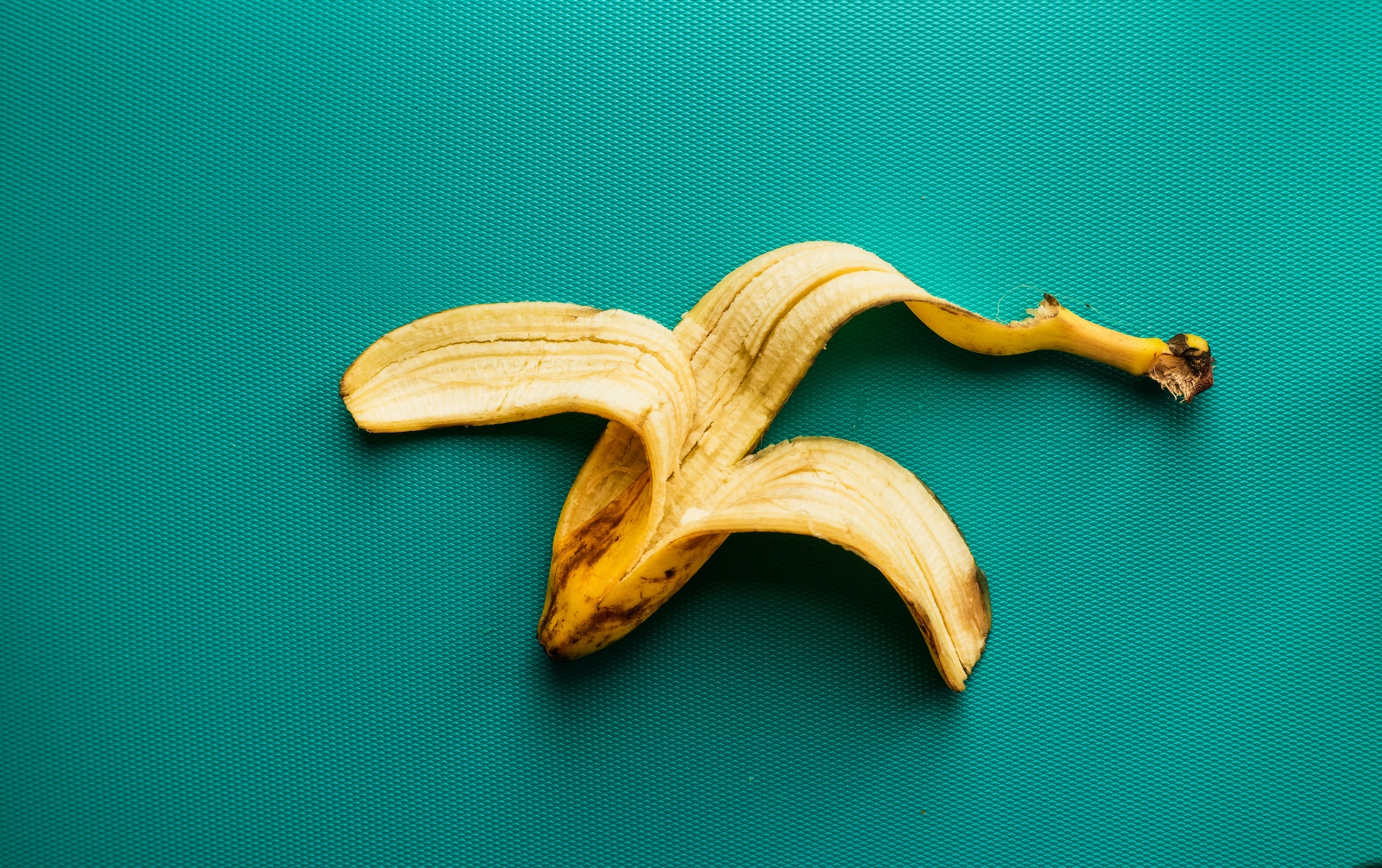
Can You Eat Banana Peels? Yes. Should You? Well…

Banana peels have real nutritional value, but don’t get caught up in social media hype.
Stop throwing your banana peels away. We all know bananas are nutritious, but what about the packaging? Here’s where fruit differs from what you’d find in the supermarket — unlike plastic containers, fruit skins like banana peels hold plenty of nutritional value.
Can you eat banana peels? Yes. But people usually don’t out of habit. Standard operating procedure is peel, eat, and toss the waste. In some countries, banana peels are often eaten alongside the fruit itself, or as part of other dishes. Here’s what you’re missing out on by not eating banana peels.
What You Should Know About Banana Peels
Mother Nature isn’t frivolous. Fruit skins like banana peels serve two primary purposes.
- Protect the fruit from weather or contamination, and
- Provide additional nutritional value
The first part is perfectly valid. Banana skins act as a barrier to bacteria or infestation by insects and animals. The nutritional value is what most Western consumers overlook. Perhaps because we’ve been plastic-pilled by synthetic packaging.
Bananas are among the most-eaten fruits in the world, and up to 40% of the fruit — peel included — gets discarded, nutrients and all.
- Banana peels are a great source of fiber — much of the peel’s dry weight is fiber, both soluble and insoluble.
- Some analyses suggest a single peel could supply a solid share of your daily potassium, though estimates vary widely and the peel’s exact nutrient profile is still being pinned down.
- They contain beneficial plant compounds (“bioactives”) like carotenes and sterols.
- There’s even a little protein in there.
Going Deeper on the Nutrition (and the Caveats)
Let’s peel back a bit. You can eat banana peels, but don’t expect the same nutritional punch as the fruit itself. But there are unique nutritional bonuses on offer, with some scientists even going as far as calling banana peels “waste treasure”:
- The benefits of fiber are settled science. Banana peels contain both soluble and insoluble fiber, which are essential for smoothing out digestion.
- Banana peels contain antioxidants. Polyphenols and carotenoids may mitigate the risk of certain cancers.
- There’s also tryptophan, which your body converts into serotonin, the mood-linked chemical — plus a little vitamin B6, which plays a role in sleep.
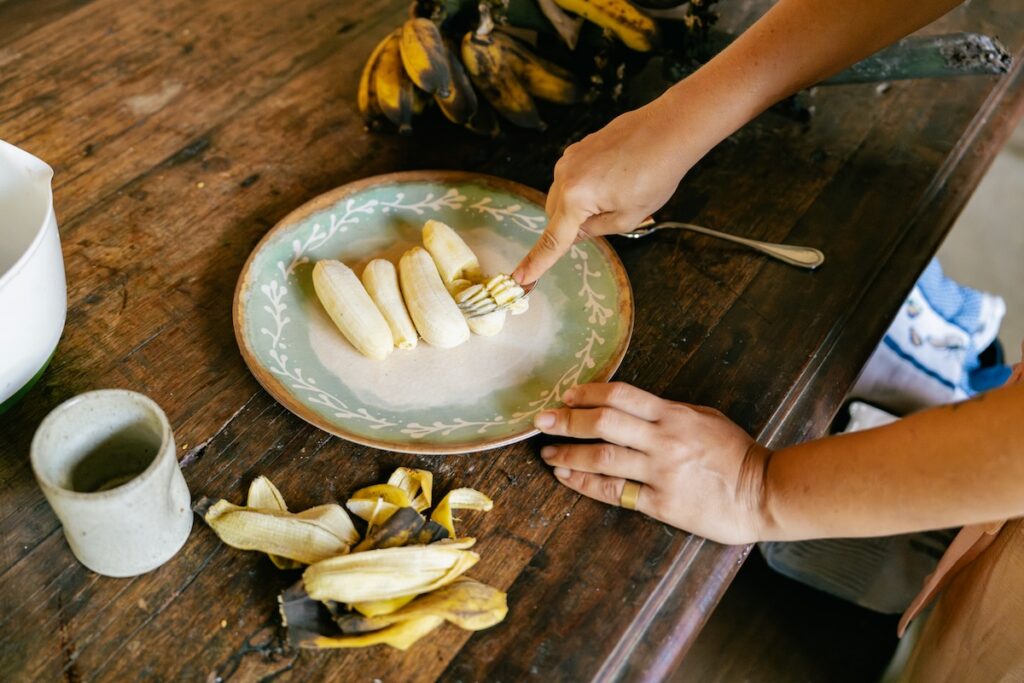
However: There’s a gap here worth addressing. The nutritional content of banana peels is not in dispute; you can measure fiber, potassium, and vitamins in a lab. We also know, from large-scale, long-term trials, that these nutrients can have substantial health benefits.
That’s not the same thing as banana peels being responsible for those health benefits. The reality? There are traces of valuable nutrition in fruit skins, but you won’t reverse the aging process or cure a disease you’re suffering from by not chucking your peels in the bin.
Fruit skins even serve as natural compost. You can toss them into the woods and actually accomplish more than if you added them to some trash heap somewhere.
The Takeaway
Banana peels are edible and genuinely nutritious — no disputing that — and eating them is an easy way to cut food waste and add a little fiber and minerals to your day. One important step first: wash the peel thoroughly, since it’s the part that’s been shielding the fruit from pesticides and everyday handling. From there, ease in by cooking it — blend it into a smoothie, bake it into muffin batter, crisp it into banana-peel “bacon,” or steep it into banana tea. Just keep your expectations realistic: research points to modest perks, not magic.
Bottom Line
Banana peels aren’t just “natural plastic”; they’re a source of a small amount of real nutritional value. Be wary of anyone who claims otherwise or attempts to paint banana peels as a cure-all. Sometimes, there really is no value in packaging.
Experts Who Contributed
- Jake Dickson BS-EXS, NASM-CPT, wrote this article.
- Lauren Keary, NASM-CNC, reviewed this article for accuracy.