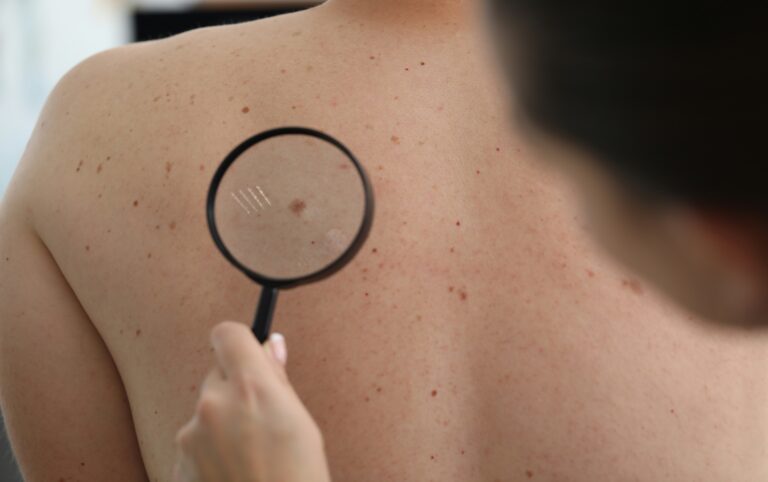
What Makes a Sunscreen ‘Safe’? EWG Says Just 1 in 5 Makes the Cut

EWG’s 2026 report passed only about 20% of U.S. SPF products. So here’s how to choose your sunscreen wisely.
Double check your sunscreens this summer because there’s a chance they’re not doing their job well. In its 2026 report, the Environmental Working Group (EWG) rated 2,784 SPF products and cleared only about 20% — roughly 550 of them — on its bar for safety and effectiveness. That number sounds grim, but dermatologists still want you to keep wearing sun protection — just be more picky about which one you buy and how you use it. Chronic UV exposure is what drives skin cancer and premature aging, so a decent sunscreen used consistently still beats the alternative.
What You Should Know About the EWG Report
EWG scored 2,784 sunscreens for its 2026 guide and passed only about 20%. Its methodology weighs health hazards from the ingredients, UVB protection, UVA protection, how well those two are balanced, and how stable the formula stays when it sits out in the sun.
So what actually makes a sunscreen “safe”? On the ingredient side, EWG flags oxybenzone and octinoxate — two chemical filters it links to possible hormone disruption — and marks down products that hide behind undisclosed “fragrance.” Its top-rated picks lean on mineral zinc oxide. Safety also means the thing has to work, so look for broad-spectrum coverage that balances UVA and UVB, plus a formula stable enough that it won’t break down mid-tropical vacation.
Part of the issue in the quality of these sunscreens is regulation. The FDA hadn’t cleared a new UV filter since 1999, so for over two decades the U.S. used older ingredients while Europe and Asia were already using new ones. In June 2026, the FDA finally permitted bemotrizinol, the first new sunscreen filter approved here in over 20 years (though it will still take some time before U.S. customers can actually find it on shelves).
None of this means you should skip the SPF or go back to tanning oil though (yikes). Sunscreen is still one of our most effective tools in skin cancer prevention.
Going Deeper on Using Better Sunscreen
If you’re interested in your skin health at all, you’ve probably been involved in at least one mineral vs. chemical sunscreen conversation. Mineral sunscreens (with zinc oxide or titanium dioxide) lay on top of the skin and reflect UV away, while chemical ones absorb UV and turn it into heat. Neither really “wins” — your skin decides which it tolerates best. In general, mineral formulas tend to be gentler on your skin, particularly if your skin is healing or already sensitive.
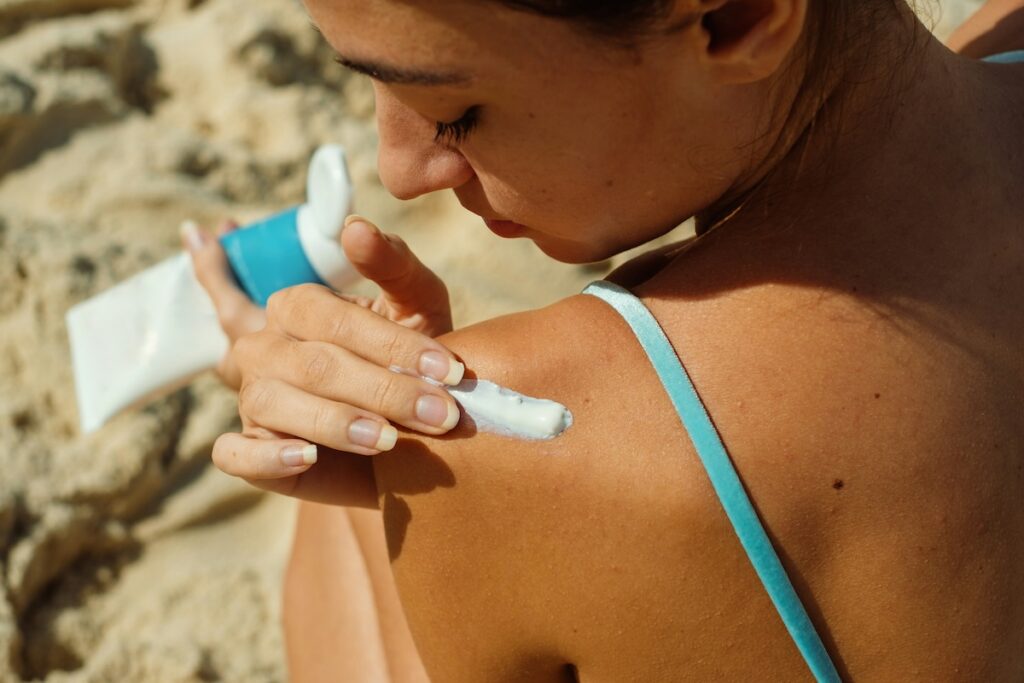
When you’re actually shopping, look for:
- Broad-spectrum protection (covers UVA and UVB)
- SPF 30 to 50 for most people, though many dermatologists recommend 50 or higher
- Water resistance if you’ll be swimming or sweating (and regular reapplication)
- A texture you’ll actually want to use every day
And you can skip the SPF 100+ — ultra-high numbers may make you feel ultra-safe, but they don’t actually add much protection beyond an SPF 50.
Application matters as much as the type of sunscreen you’re using. Around 6 to 8 teaspoons will fully cover your average adult body. Apply it 15 to 30 minutes before you head out, and reapply at least every two hours. Sunscreen also shouldn’t be your only form of protection — pair it with a hat, protective clothing, sunglasses, and shade, and time your outdoor plans around the intense 10 a.m. to 4 p.m. window when possible.
The Takeaway
Consider EWG’s report as a reason to be picky about the SPF you put on your skin, and use it properly — SPF is still an important part of your day (yes, even in winter and cloudy conditions). The best sunscreen really is the one you’ll use consistently, so a solid broad-spectrum formula you’ll actually reapply time and time again beats a “perfect” one tossed under your bathroom sink collecting dust.
Bottom Line
Most products EWG tested didn’t clear its safety and efficacy bar, and U.S. filter options have been trailing behind markets across the pond for years — though the bemotrizinol’s 2026 approval is a step in the right direction. Sunscreen still lowers skin cancer and aging risk, and consistent use is better than trying to find an absolutely flawless formula. To keep it short, lather up.