The Long-Overdue SPF Upgrade Is Finally Here

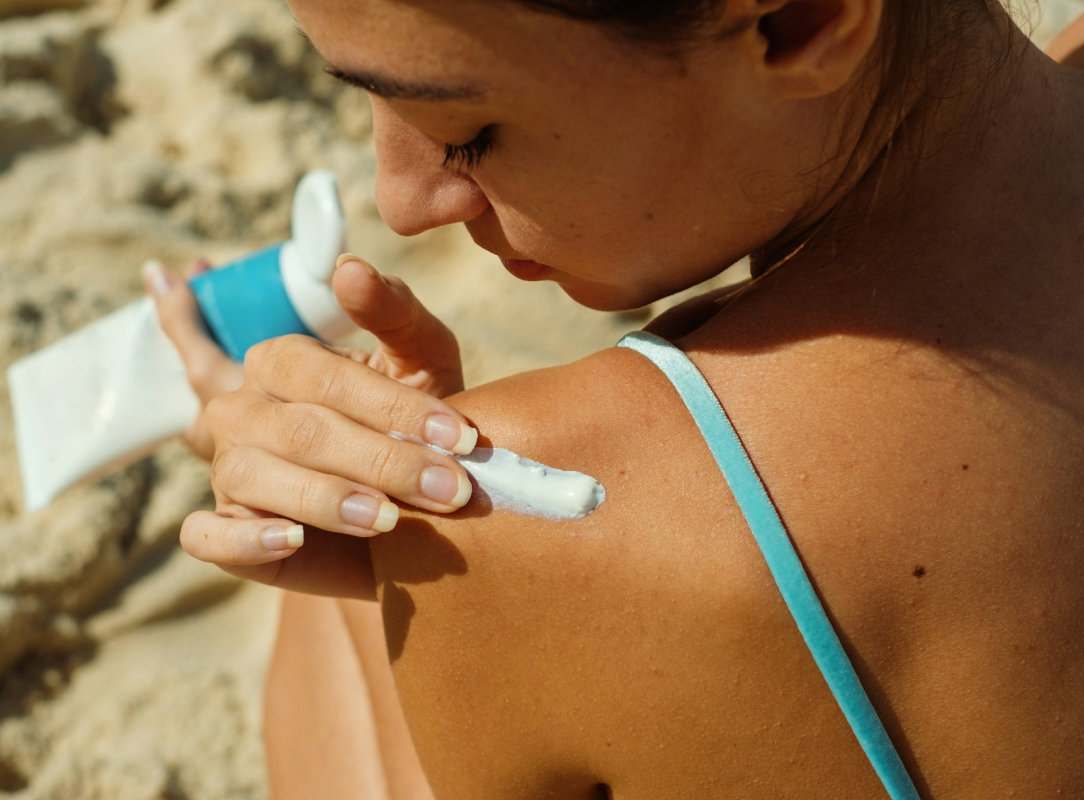
Fellipe Ditadi/Unsplash
The Trend: For years, sunscreen devotees have toted home formulas from Europe and Asia, chasing lightweight textures and invisible finishes that have seemed impossible to find in the U.S. Now, the American sunscreen aisle is finally catching up. In June, the FDA approved bemotrizinol (BEMT), the first new active sunscreen ingredient added to the U.S. lineup since the 1990s. The first formulas featuring it are hitting shelves now — just in time for winter.
What People Are Saying: Long popular in Europe and Asia, bemotrizinol absorbs both UVA rays, which contribute to skin aging and skin cancer risk, and UVB rays, which cause sunburn. It’s also photostable, meaning it holds up well in sunlight, and can help formulators create lightweight sunscreens without the chalky white cast that turns some people off. Its relatively low skin absorption and decades of international use add to its selling points.
What to Know: Why the wait? The FDA regulates sunscreen as a drug, making approval of new UV filters a lengthy process. This is in contrast to some other countries, which classify sunscreen as a cosmetic. Also, bemotrizinol expands manufacturers’ options, but it isn’t a miracle ingredient: a formula’s overall protection and feel depend on its full ingredient mix. If you’ve struggled to find sunscreen you enjoy wearing, a BEMT formula is worth trying. Just look for broad-spectrum SPF 30 or higher, apply generously, and reapply every two hours outdoors — or sooner after swimming or sweating.