The Best Foods for Liver Health, Backed by Research

A review of more than 600,000 people found that your overall eating pattern, more than any one food, is linked to lower liver disease risk.
Your liver juggles hundreds of jobs, from breaking down toxins to storing fat. But you rarely think of it until something goes wrong. Research suggests the foods for liver health may matter more than many people think, and that what’s on your plate may be just as important as what’s in your glass. With fatty liver disease increasing across the globe, a 600,000-person review is putting everyday eating patterns at the forefront of the liver health conversation.
What You Should Know About Your Liver Health and Diet
Most people think their liver health is directly tied to their alcohol intake. But sometimes, fatty liver disease has nothing to do with drinking. In 2023, nonalcoholic fatty liver disease was renamed MASLD — metabolic dysfunction-associated steatotic liver disease — a change that signaled diet and metabolism (rather than alcohol) are major players in how the condition develops. Shifting to a consistent eating pattern that supports normal liver function can decrease your odds of fat building up where it shouldn’t. The Cleveland Clinic notes that the liver handles over 500 jobs and filters about 250 gallons of blood per day. The food you eat affects how the liver functions, and research is now uncovering the eating patterns that are imperative in lowering your liver disease risk.
Going Deeper on the Research and the Foods
The evidence on this is from a May 2026 review in the journal Nutrition Reviews where researchers in China pooled 50 earlier studies covering more than 624,000 people. Rather than testing single “superfoods,” they measured overall diet quality with two established scoring systems: the Alternative Healthy Eating Index (AHEI), developed at Harvard, and the U.S. Department of Agriculture’s Healthy Eating Index (HEI). Both reward diets built around whole foods that are nutrient-dense, and knock refined and processed diets.
A higher AHEI score was linked with protection against MASLD, liver cancer, and overall chronic liver disease, with the strongest outcomes in Asia and North America. A higher HEI score was linked with protection against MASLD, fibrosis (the scarring of ongoing liver damage), liver cancer, and chronic liver disease, with the strongest outcomes in North America.
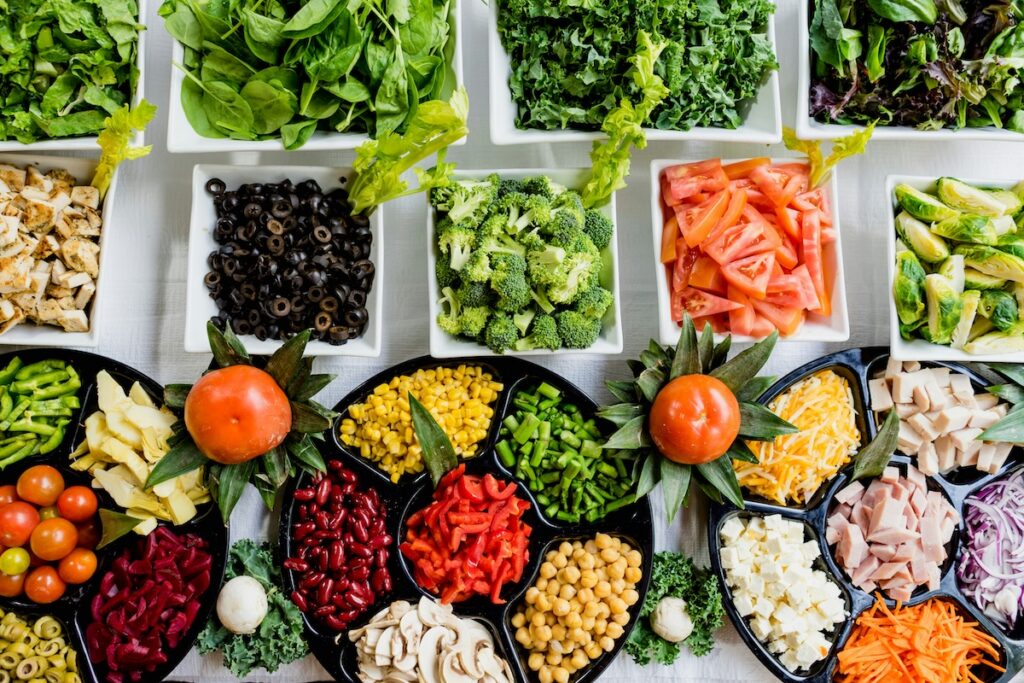
When it comes to building a liver-friendly plate, both point to the same foods:
- Eat more of these: vegetables, fruit, whole grains, nuts, legumes, tofu, fish and seafood, and healthy fats. The HEI also rewards dairy and protein.
- Go lighter with these: refined grains, added sugar, excess salt, and ultra-processed foods. Sodium in particular is the one item the scoring systems flag that Americans most tend to overdo.
Most of this evidence is observational though, so it shows that better diet quality correlates with lower liver disease risk, but it does not show that any single meal or diet can repair your liver.
The Takeaway
Research notes a produce-heavy, mainly whole-food eating pattern supports liver health, while refined grains and too much salt do the opposite. Pack your plate with vegetables, fruit, whole grains, legumes, and fish, and lighten up on any ultra-processed foods. The U.S. data indicates most of us already get enough protein and seafood, but (on average) we don’t get enough fruit and whole grains, so those food groups are good starting points to boost liver health.
Bottom Line
Two separate scoring systems utilized across over 600,000 people have both linked diet quality and liver health. But how much any one food changes the outcome is unclear as this was a review of observational studies, and diet is just one piece along with body weight, physical activity, alcohol, and metabolic health. For anyone managing fatty liver disease or searching “what foods are good for liver repair,” this is solid food-first guidance, but it’s by no means a treatment for a liver problem — as always, your doctor should be your first call before you make any big dietary changes.