Do Electrolytes Break a Fast? What to Know Before You Sip

You probably want to take them during longer fasts, but certain ingredients in some electrolyte supplements can break your fasting progress.
Fasting’s popularity blew up in the 2010s — we’re talking multiple documentaries, celebrity endorsements, and being Google’s most searched diet — for its ability to help control blood sugar, reduce inflammation, and speed up weight loss. But fasting can be hard, with grumbling stomachs, mood swings, and, for some people, headaches, fatigue, and lightheadedness — a trio of symptoms sometimes referred to as the “fasting flu.”
Not everyone gets the fasting flu, but if you do, there are a few possible explanations. One of them is an electrolyte imbalance, which can become more prevalent during longer fasts, intense exercise, or hot weather, as those are all conditions that use our electrolyte stores. Electrolyte supplements may help, but they also raise an obvious question: Do electrolytes break a fast? The answer depends on which electrolytes for fasting you are using and why you’re fasting in the first place.
TL;DR
Zero-calorie electrolytes won’t break your fast. That said, if you’re only intermittent fasting for 10-, 12-, or 16-hour periods, you’re probably getting enough electrolytes from your meals. If you’re an extreme sweater or are fasting for longer than 24 hours, it’s probably a good idea to supplement with electrolytes to keep your body’s electrolyte stores in check.
Key Takeaways
- Your body loses more water and sodium while fasting, which can cause an electrolyte imbalance if you only drink water without eating.
- Three essential electrolytes are sodium, potassium, and magnesium, which your body needs but can only obtain through food or supplementation.
- As long as your electrolyte supplement doesn’t contain calories, then it generally won’t break a fast.
- If you take medicine for blood pressure or diabetes — both of which affect your kidneys — check with your doctor before fasting and/or taking a new supplement.
What are Electrolytes?
“Electrolytes like sodium, potassium, magnesium and calcium, are minerals that help your body function,” says Caroline Thomason Bunn, RD, CDCES. Because you lose electrolytes through sweat, they’re especially important during prolonged exercise, hot weather or illness that causes vomiting or diarrhea, she adds.
Why Electrolytes Matter While Fasting
Electrolytes are minerals that carry electrical charges within your body that contract your muscles, help your heart beat, and keep your nerves firing. The three most important or essential electrolytes are sodium, potassium, and magnesium; “Essential” means your body needs them but doesn’t produce them on its own, so you have to get them through food and supplements. Fasting — especially for prolonged periods — can drain your body of its stored electrolytes and contribute to symptoms such as fatigue, headaches, and dizziness, also known as the “fasting flu.”
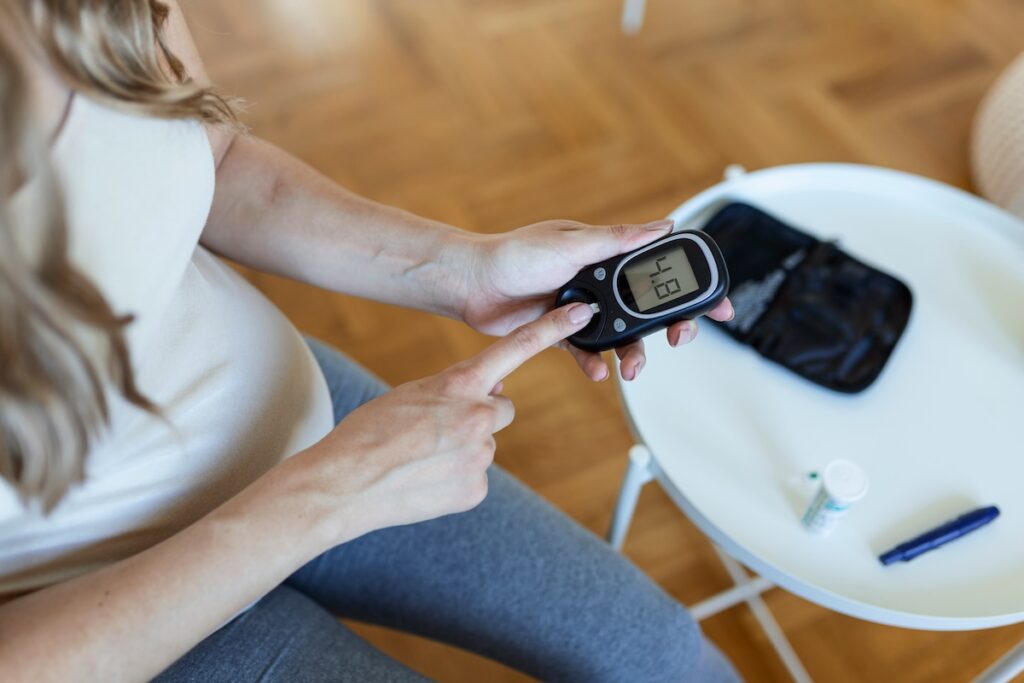
That’s because fasting lowers your insulin, a hormone you may associate with regulating blood sugar. Insulin also signals your kidneys to hold on to sodium — so when it drops during a fast, that signal weakens and you flush more sodium out in your urine. And because water follows sodium, you lose more fluid along with it.
That’s why it’s important to stay hydrated during a fast. However, when you’re only taking in water and not eating, you may also have a harder time replacing sodium and other minerals.
If you’re fasting for less than 24 hours, you’re probably not at risk of developing a true electrolyte imbalance, though you likely won’t feel your best. Symptoms you’re feeling while fasted may be related to other causes like drops in blood sugar, caffeine withdrawal (if you’re skipping coffee), or low energy and general hunger pains.
It’s another story, though, if you live in an excruciatingly hot climate, sweat heavily, or start your fast underhydrated.
For most people, taking electrolytes while fasting becomes a more serious consideration as the fast gets longer. Research on prolonged water-only fasting suggests sodium and chloride levels may decline around the 8 day mark, which is why some experts have proposed sodium supplementation during extended, multi-day fasts.
Do Electrolytes Break a Fast?
No. Sodium, potassium, and magnesium don’t contain meaningful calories, so taking them in plain water is generally considered fasting-friendly. However, some electrolyte supplements contain added calories, usually in the form of carbohydrates or sugar, and consuming those disrupts your fast. Black coffee, unsweetened tea, and other calorie-free drinks are commonly allowed during intermittent fasting.
That said, it’s helpful to define what “breaking a fast” actually means since people fast for different reasons. If the main reason you’re following a time-restricted eating schedule is to reduce your calorie intake, a zero-calorie electrolyte drink probably won’t undermine your fast. If you’re fasting for religious reasons, the rules may be different. Some prohibit all food and drinks — even plain water — so whether electrolytes are allowed depends on the specific faith and traditions.
If you’re fasting for healthy perks like autophagy — that’s the process through which your cells break down and recycle old or damaged components — the answer isn’t really clear. Research suggests that fasting can activate autophagy, but much of the evidence comes from animal and cellular studies. “Many experts agree that any type of calorie restriction can support autophagy and the benefits aren’t unique to fasting,” shares Thomason Bunn. There isn’t an exact duration or calorie threshold that reliably starts or stops the process, so claims that one ingredient will definitely “shut off” autophagy are mostly speculation.
Some people also avoid electrolyte powders containing nonnutritive sweeteners (think Splenda and Sweet’N Low) because they believe they’ll trigger insulin and break the fast. But a 2023 systematic review and meta-analysis found that drinks containing nonnutritive sweeteners generally elicited insulin responses similar to those of water. Meaning, not at all. Again, the effects on autophagy aren’t clear, but it does suggest that the idea that any zero-calorie sweetener automatically breaks a fast is probably overstated.
How to Take Electrolytes While Fasting
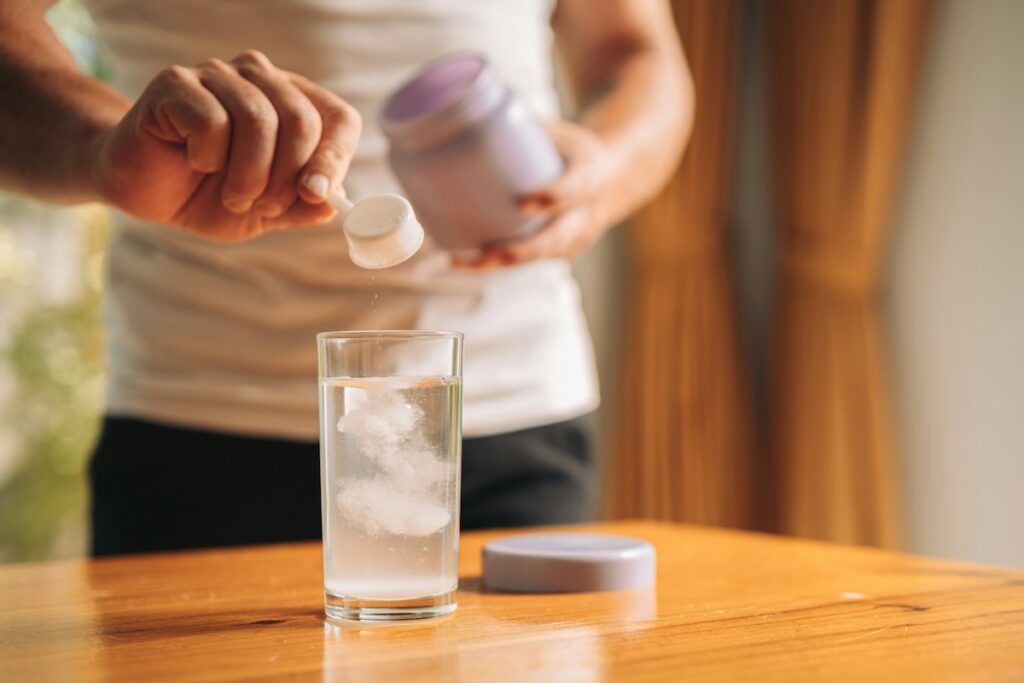
Look for an unflavored or zero-calorie electrolyte powder and follow the serving directions on the label, since the amounts of sodium, potassium, and magnesium can vary from product to product. You can also add a pinch or two of regular table salt to water and sip it throughout the day, though salt water provides only sodium and chloride, not meaningful amounts of potassium or magnesium.
If you take blood-pressure or diabetes medication, or any drug that affects your kidneys, fluid balance, or potassium levels, talk to your clinician before fasting or adding an electrolyte supplement.
The Best Electrolytes for Fasting
The best electrolyte for fasting replaces sodium — plus some potassium and magnesium — without adding the sugar or calories that could break your fast. Three of the four below are essentially calorie-free and fast-friendly; the last is a whole-food option with a caveat worth knowing.
This article contains affiliate links. We may earn a commission on purchases, at no extra cost to you.
LMNT
Each stick delivers 1,000 mg sodium, 200 mg potassium, and 60 mg magnesium, with zero sugar and 5 to 10 calories (sweetened with stevia). That high sodium dose makes it a go-to for longer fasts, heavy sweaters, and hot climates, and the lack of sugar means it won’t break a fast. Just know 1,000 mg is a lot of sodium — likely more than you need for a short fast, and definitely worth skipping if you’re concerned about high blood pressure.
IQMIX
Each stick has 500 mg sodium, 450 mg potassium, and 750 mg magnesium (as magnesium L-threonate), plus lion’s mane, at zero sugar and about 10 calories. It’s the most potassium- and magnesium-forward pick here; the added nootropics are a nice-to-have rather than a fasting essential. And the zero-sugar formula keeps it fast-friendly.
Instant Hydration
Each stick provides 500 mg sodium, 470 mg potassium, 100 mg magnesium, and 170 mg calcium, with zero sugar and 10 calories (sweetened with stevia and monk fruit). It’s the most balanced across all four electrolytes — and the only one with calcium — and the zero-sugar formula won’t break your fast.
Liquid I.V. Sugar-Free
Each stick delivers about 955 mg of total electrolytes (sodium, potassium, and magnesium) plus a dose of B vitamins and vitamin C, with zero sugar — sweetened with allulose and stevia instead. It’s an easy, widely available option that won’t break a weight-loss or time-restricted fast. One caveat is that its hydration blend includes small amounts of amino acids, so if you’re fasting specifically for autophagy, a pure-mineral formula is the cleaner choice. Also worth noting that we only recommend the sugar-free option as their original line of electrolyte powders packs 11 grams of sugar per pack.
Frequently Asked Questions
Plain electrolytes like sodium, potassium, and magnesium contain no meaningful calories, so they generally won’t break a fast intended for weight loss or time-restricted eating. Products with added sugar or other calorie-containing ingredients will. Religious and medical fasts may follow stricter rules, regardless of calorie content.
Because fasting can increase sodium and water loss, you’ll want to focus on sodium. Potassium and magnesium also support normal muscle, nerve, and heart function, but most people can replenish them during their eating window. Avoid high-dose supplements unless your clinician recommends them.
Headaches and dizziness during fasting can stem from dehydration or fluid shifts, but electrolytes aren’t the only possible cause. Caffeine withdrawal, low blood glucose levels, certain medications, heat, and changes in sleep or meal timing may also contribute. Stop the fast and seek medical advice if symptoms are severe, persistent, or recurrent.
A pinch of table salt in water provides sodium, which may be enough if sodium loss is your main concern. More salt isn’t always better, so avoid heavily salted water and check with a clinician if you have high blood pressure or kidney disease.
Bottom Line on Electrolytes for Fasting
If you’re fasting for an extended period or plan on working up a heavy sweat, adding electrolytes to your water may help you feel better throughout the day. Zero-calorie electrolyte powders or even just a pinch of salt generally won’t break a fast intended for weight loss or time-restricted eating. For shorter fasts when you eat the same day, most healthy people can get what they need from water and balanced meals during their eating window. Talk to a clinician before fasting if you have a medical condition or take medications that affect your blood sugar, blood pressure, kidneys, or electrolyte levels.
Experts Who Contributed
- Andrew Gutman, NASM-CPT, wrote this article.
- Lauren Keary, NASM-CNC, reviewed this article for accuracy.
- Caroline Thomason Bunn, RD, CDCES RD contributed expertise and reviewed this article for accuracy.