Does Coffee Break Intermittent Fasting?

For most people and goals, black coffee doesn’t break a fast — but your usual coffee shop order might.
Intermittent fasting — the practice of not eating for periods ranging from 12 hours to multiple days — has become a popular eating style due to its potential health benefits, including aiding weight loss, reducing inflammation, and improving blood sugar control. While food is an obvious no-go during a fasting period, the role of coffee is less clear.
If you’re a regular coffee drinker and curious about fasting or already trying this eating style, you’ve likely wondered whether coffee breaks intermittent fasting. The good news? Coffee itself is pretty fast-friendly — but that little dash of oat milk, MCT oil, or sugar-free syrup you add to your mug isn’t as straightforward. Read on to learn the intricacies of how coffee affects intermittent fasting, including how to tweak your morning cup to make the most out of the practice while getting your caffeine fix.
TL;DR
Plain black coffee doesn’t break an intermittent fast for most people’s goals, including weight loss, metabolic health, and ketosis. To maximize autophagy, on the other hand, it’s safer to stick to water only. Whatever you put in your coffee — cream, milk, sugar, butter, oil, sweeteners, or something else — can break your fast, so be mindful of what goes in your cup.
Key Takeaways
- Plain black coffee doesn't break intermittent fasting for most people, since it contains almost no calories or macronutrients.
- Additions like cream, milk, sugar, and butter add calories and nutrients that can break a fast and potentially reduce its benefits.
- Whether or not you should drink coffee on a fast depends on your goals and health status.
- Artificial sweeteners are a gray area; there’s little research on their effects during fasting, though some studies suggest they may impact blood sugar.
What the Research Says About Coffee and Intermittent Fasting
Researchers and experts largely agree that plain black coffee contains so few calories and nutrients that it doesn’t meaningfully interfere with most fasting goals. However, that doesn’t mean coffee has no effect on the body during fasting. The catch is, we don’t have tons of research demonstrating exactly what that effect is.
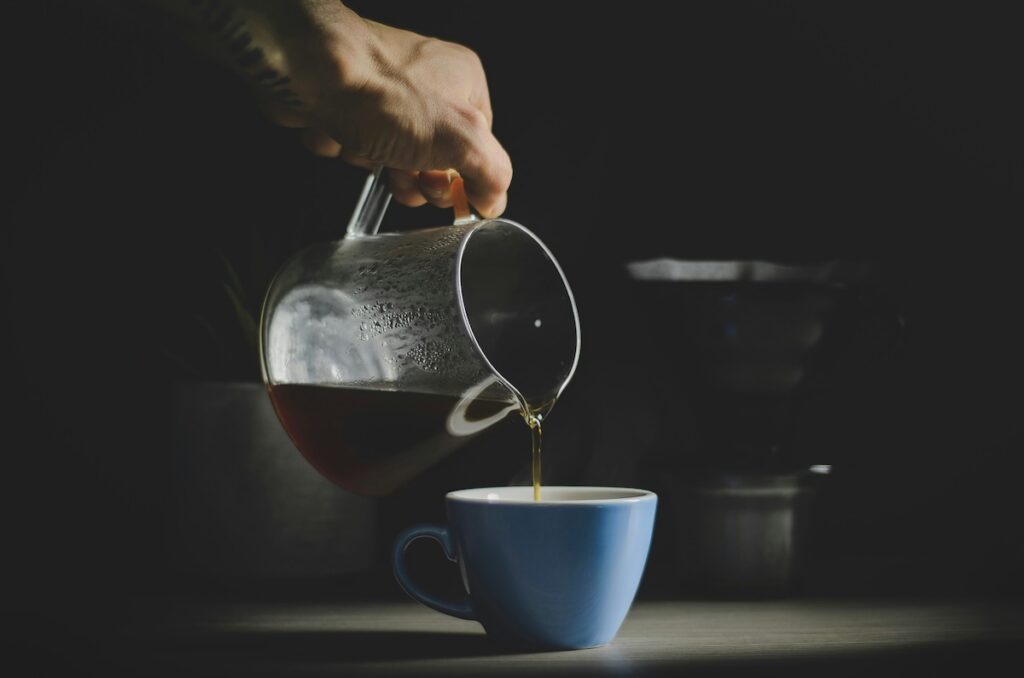
Studies suggest that coffee and caffeine can temporarily increase metabolism and stimulate lipolysis, the process by which stored fat is broken down into fatty acids, which are then released into the bloodstream, where they can be used for energy. Lipolysis is especially important during fasting, because as your body runs low on glucose (its preferred energy source), it switches to burning stored fat for fuel.
When your body is running low on glycogen (the stored form of glucose) and starts relying more on fat for fuel, it also breaks down fat into compounds called ketones — a process called ketosis. Research suggests that coffee doesn’t interfere with ketosis and may even modestly increase ketone production.
Coffee also appears to have a somewhat contradictory effect on blood sugar. Several research reviews suggest that caffeinated coffee can temporarily impair insulin sensitivity (how effectively your cells respond to insulin) and glucose tolerance (the body’s ability to manage blood glucose levels), especially when ingested first thing in the morning on an empty stomach. Yet long-term coffee consumption is consistently associated with a lower risk of type 2 diabetes.
Moreover, coffee may help curb hunger in some people, with research suggesting that both decaf and caffeinated coffee may temporarily suppress appetite, which can be quite helpful when you’re in a fasting window and need to wait to eat. Not to mention, the caffeine in coffee elevates mood and boosts alertness, both of which can be beneficial when you’re fasting but need energy to move through your day.
Overall, the findings suggest that coffee may actually support some of the same metabolic processes that occur during fasting — such as shifting toward using stored fat for energy and producing ketones — rather than working against them. Still, research specifically examining coffee during fasting is limited, so there’s a lot we still can’t say for sure about how coffee influences the body in a fasted state.
How “Breaking a Fast” Works (and Where Coffee Fits)
A fast is generally broken whenever you consume any calories or significant macronutrients (carbohydrates, proteins, fats), which trigger metabolic and digestive processes. In many cases, this also prompts the release of insulin, a hormone that helps regulate blood sugar.
Black coffee typically contains negligible calories and macronutrients — about 2.5 calories per cup and less than 1 gram of carbs, protein, or fat — meaning, your body doesn’t respond to it the same way it does to food. So, for most common fasting goals (including weight loss, fat burning, ketosis, and metabolic health), coffee itself is generally not considered nutritionally significant enough to break a fast.
One potential exception is if you’re fasting to encourage autophagy, the body’s “cellular cleanup” process, which involves breaking down and recycling old or damaged cellular parts and is triggered when your cells are stressed or deprived of nutrients (such as during fasting). Experts don’t expect black coffee to stop autophagy the way a meal would, but researchers haven’t studied it enough to know for sure. If maximizing autophagy is your primary goal, a water-only fast is the more conservative choice.
Another exception is if you’re fasting for a medical procedure or lab test. In that case, it’s generally recommended that you don’t consume anything other than water during your fasting period. (When in doubt, check with your healthcare provider.)
If you have insulin resistance, impaired glucose tolerance, prediabetes, or diabetes, you may want to proceed with caution when drinking coffee on an empty stomach, based on research suggesting it may temporarily impair blood sugar control. Experts generally recommend paying attention to how your body responds and limiting how much caffeine you’re drinking on an empty stomach.
While coffee itself generally doesn’t interfere with a fast, it gets more complicated if you drink your coffee with anything in it, including milk, sugar, or sweeteners — more on that next.
What Breaks the Fast in Your Coffee
What if you don’t drink your coffee black? Different additions will affect coffee’s impact on your fasting state — and whether you should drink it during a fasting period, depending on your goals. Here’s what to know about the different ingredients you might put in your cup.
Milk or cream. A splash of cream or milk (of any kind) will technically break a strict fast because it contains calories and macronutrients. However, the impact of a small amount is likely to be modest, particularly for people fasting for weight loss or metabolic health rather than for autophagy goals.
Sugar or flavored syrups. Sugar and sweetened syrups contain carbohydrates that will immediately break your fast, provide your body with glucose for energy, and increase blood sugar and insulin levels. They can also interrupt ketosis by shifting the body back toward using these incoming carbohydrates as fuel.
Calorie-free sweeteners. Calorie-free sweeteners or syrups might seem like a fasting loophole — and, technically speaking, the lack of calories and nutrients means they don’t break a fast in the traditional sense — but that doesn’t mean they’re physiologically inert. For example, a small 2013 study found that sucralose, an artificial sweetener, altered glycemic and insulin responses in obese people, while a 2025 study found that sucralose may also affect appetite regulation. It remains unclear exactly how non-nutritive sweeteners affect the body in a fasted state, which is why there isn’t a clear consensus on whether or not it’s a good idea to consume them while fasting.
Butter or MCT oil. Adding calorie-dense, high-fat butter or MCT oil to your coffee (sometimes called “bulletproof coffee”) breaks a strict fast, though it may help you remain in ketosis. This approach can help make fasting feel easier by increasing satiety without significantly raising blood sugar. However, since you’re still consuming calories, it isn’t considered a true fast.
How to Drink Coffee While Intermittent Fasting
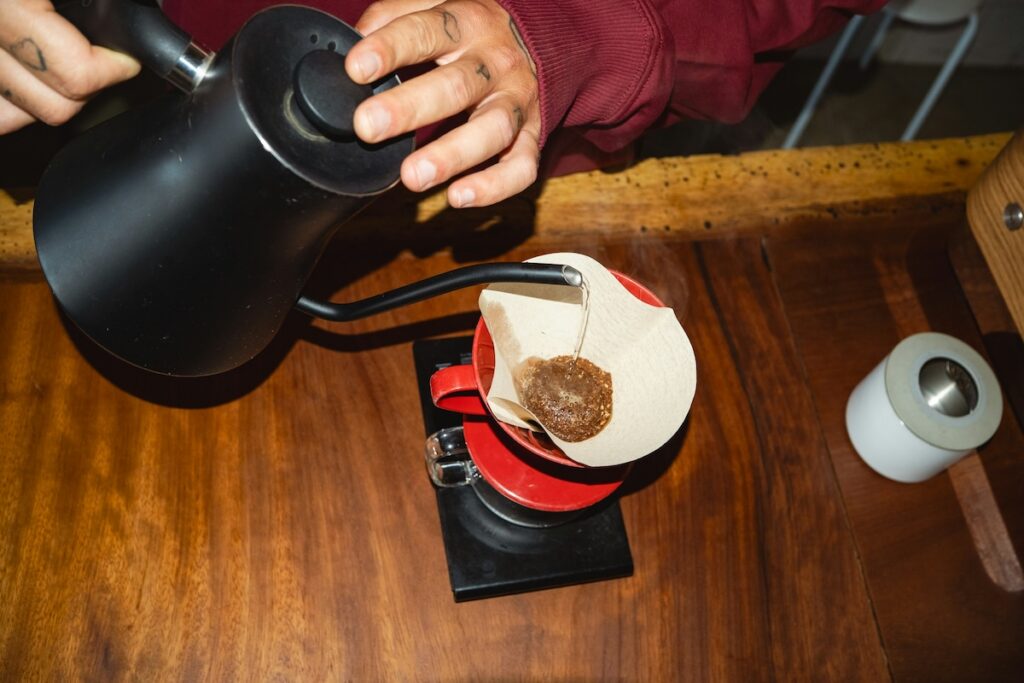
Keep it plain. The easiest way to drink coffee during your fasting window while intermittent fasting is to drink it black — hot or cold works. If black coffee isn’t your thing, experiment with different roasts or preparation methods to see which ones make it more palatable to you.
Watch your intake — especially on an empty stomach. Drinking coffee on an empty stomach can potentially trigger heartburn and increase anxiety or jitters. Because coffee can temporarily reduce appetite, people who are fasting may find they drink more of it than usual. It’s generally recommended to limit your caffeine intake to 400 milligrams per day (about 4-5 cups) and avoid it later in the day if it affects your sleep.
Shift your fasting window. If you hate the taste of black coffee, there’s no need to force it on yourself. You may be able to move your fasting window so that you can enjoy coffee your way — milk, cream, sugar, or flavored syrups — within your feeding window. For example, many people follow a 16:8 intermittent fasting pattern, with 16 hours fasted and eight hours fed. If you want to drink your fully loaded coffee first thing in the morning, you could shift your eating window from 8 am to 4 pm, for example, and then fast until the next morning.
Try a flexible approach. Some experts are proponents of consuming a small amount of calories during a fasting period — allowing, for example, a splash of oat milk in a coffee. While this technically breaks a strict fast, for someone focused on weight loss, it can help keep overall calorie intake low to support weight loss and offer a more flexible and sustainable way to fast, especially for beginners.
New to fasting? Start gentle, hydrate well, and notice how coffee on an empty stomach actually sits with you before making it a daily habit.
Frequently Asked Questions
No. Generally, black coffee does not break a fast. A typical cup contains only a couple of calories and virtually no carbohydrates, protein, or fat, so it isn’t considered nutritionally meaningful enough to shift the body from a fasted to fed state.
Yes. Drinking coffee with milk, cream, sugar, or anything else containing calories does break a strict fast. However, if you stir a fat-only substance into your coffee, such as butter or MCT oil, you can remain in ketosis, which means your body can continue to rely primarily on fat for fuel.
It’s unclear. There isn’t enough research on coffee and fasting in humans to know for sure whether it suppresses autophagy, even when consumed black. If encouraging autophagy is your main goal with intermittent fasting, it’s safest to stick to water only during your fasting window.
Technically, no. Zero-calorie sweeteners don’t break a strict fast, since they don’t provide any calories or macronutrients that would take the body out of a fasted state metabolically; however, there isn’t enough evidence to definitively say that these sweeteners don’t affect appetite or other metabolic signals during a fast.
Bottom Line on Coffee and Intermittent Fasting
For most people, black coffee is one of the few things you can confidently enjoy during a fasting window — the rule is to keep it black and unsweetened, and let your goals and health status guide how strict you are with intake and additives. And while it’s generally accepted that black coffee doesn’t break a fast, it’s not entirely clear the other ways that coffee affects your body during fasting. Keep in mind that intermittent fasting isn’t right for everyone, and when in doubt, check with a doctor first (especially if you’re pregnant, managing diabetes or blood sugar medication, or have a history of disordered eating).
Experts Who Contributed
- Lauren Mazzo, CPT, wrote this article.
- Lauren Keary, NASM-CNC, reviewed this article for accuracy.