Are Frozen and Canned Fruits and Veggies as Healthy as Fresh?

The unhealthiness of canned and frozen fruits and veggies is greatly exaggerated.
Despite fruits’ and vegetables’ capacity to lower the risk of chronic diseases, people don’t eat nearly enough of them. Around 800 grams a day is considered optimal, but most people fall well short. For decades, the cost of fruits and vegetables has only gone up. Since 2017, their price indexes have increased by nearly 100 points, and some programs that support access to nutritious foods have had to increase their budgets by over 20%. It should come as no surprise that the higher the cost of fruits and vegetables, the lower the consumption.
Frozen or canned fruits and vegetables are typically less expensive than their fresh counterparts. Many people assume, however, that the trade-off for the lower costs is a concession in nutritional value. For the most part, though, that negative bias is inaccurate.
What You Should Know About Frozen and Canned Fruits and Veggies
Frozen and canned options offer the practical benefits of lower cost and are often pre-washed/pre-chopped. Both freezing and canning extend shelf life well beyond fresh — frozen produce keeps for months, and canned goods can last up to five years, which means significantly less household waste than fresh produce that spoils within weeks.
Those who eat six or more servings of canned food a week are also more likely to have a more nutritious diet overall than those who consume fewer servings. That can translate to long-term health benefits. Just five servings of fruits and vegetables per day is associated with lower mortality.
Furthermore, people who routinely consume canned fruits and vegetables typically have higher intakes of essential nutrients due to the timing of canned goods. Post-harvest, fresh produce loses vitamins, a trend that continues during transit and while sitting in markets waiting to be purchased. Both canned and frozen fruits and vegetables are processed soon after harvest, which helps preserve their nutrients.
Going Deeper: The Nutrition (and What to Watch For)
Canned and frozen fruits and vegetables are considered equivalent to fresh produce when accounting for recommended daily servings. They hold their nutritional value pretty equally, as well, offering similar amounts of vitamins, minerals, fiber, and antioxidants.
In some cases, canned or frozen options can actually be more nutritious due to the addition of vitamins, such as Vitamin C, to improve preservation. For example, canned apricots have been shown to have 47% more antioxidants than fresh apricots after three months in storage.
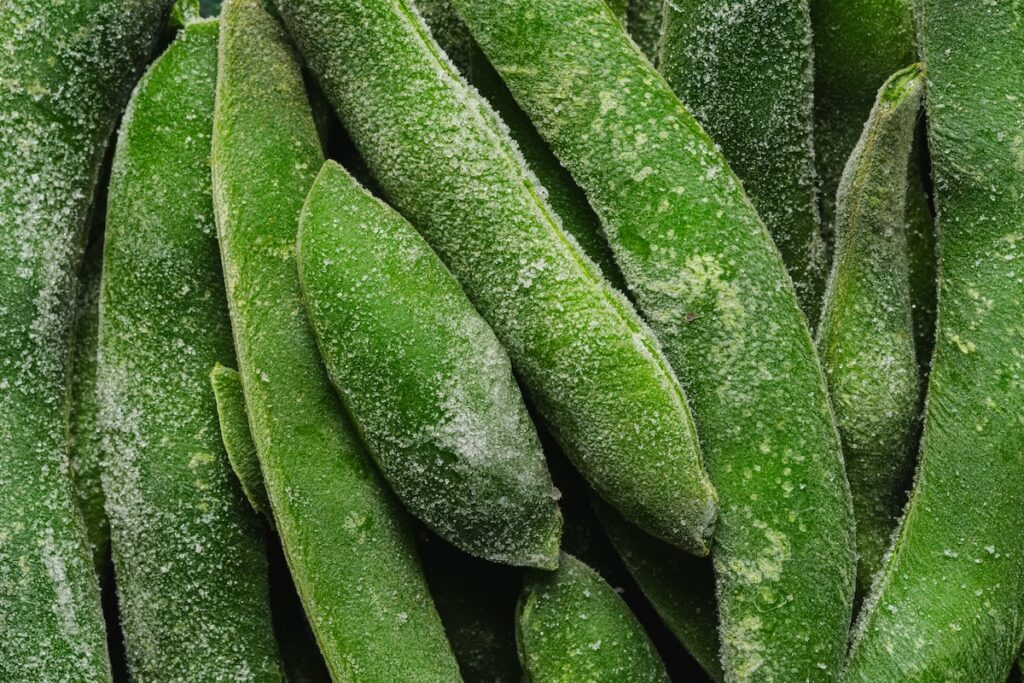
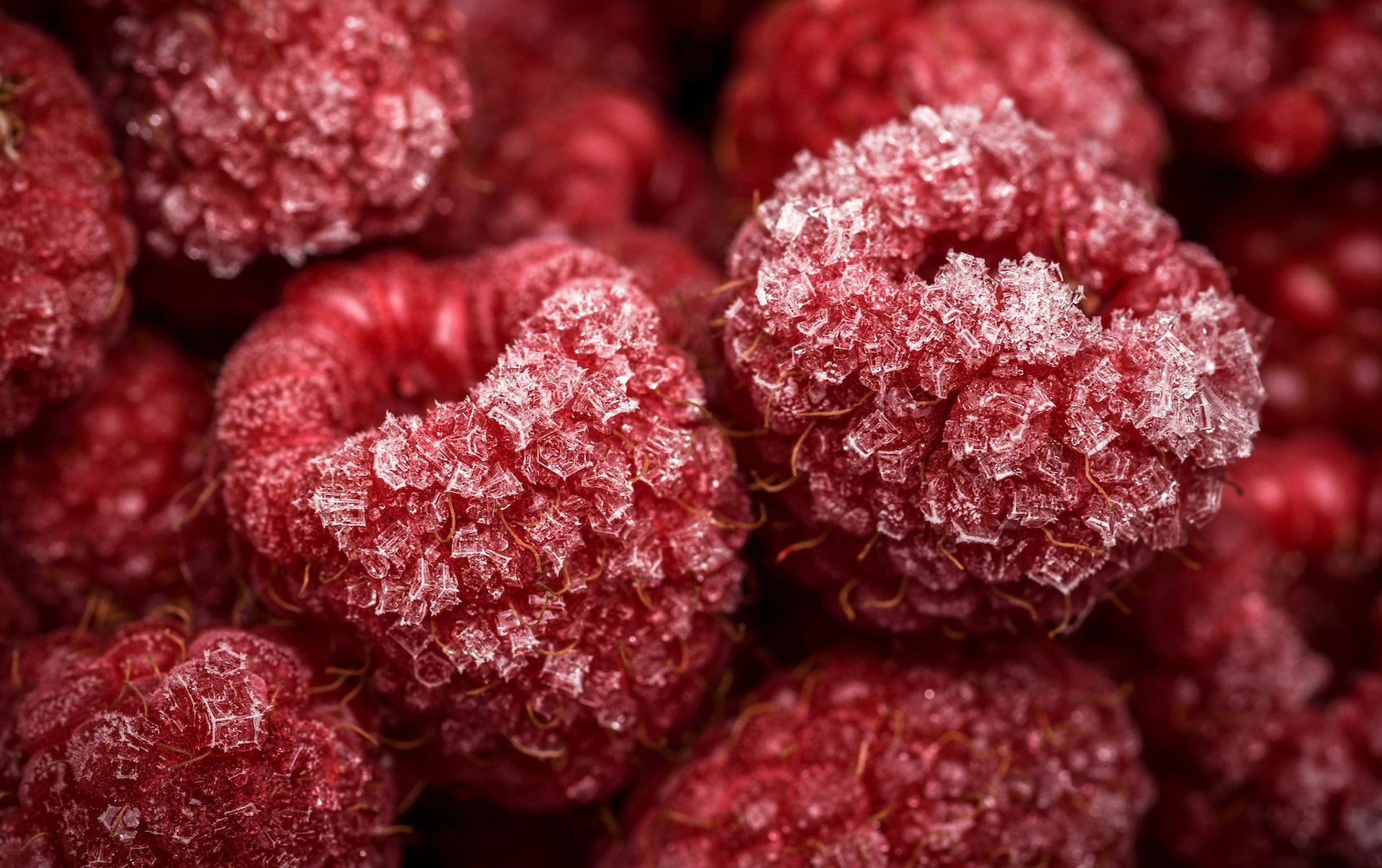
Modern quick-freezing techniques help maintain their structural and nutritional value. Large ice crystals from freezing and thawing indicate nutrient loss and occur when water escapes the cellular structure during freezing, thereby damaging it (and making it mushy). Faster freezing of fruit and vegetables limits the time for water to escape, allowing the cellular structure to maintain its integrity.
Bacteria like Listeria, which can contaminate fresh produce, can survive in frozen temperatures, but are killed by heat — heating to 158°F (70°C) for at least two minutes sharply reduces them.
The advantage that fresh produce has over canned food is sodium content. The latter typically has significantly more sodium to help preserve freshness. The trick is to be mindful of that when grocery shopping; seek out canned vegetables labeled “no added salt” or similar to reduce sodium intake.
Do the same for canned fruit labeled “no sugar added” or similar, which often suggests the fruit is preserved in fruit juice rather than syrup.
The Takeaway
Canned fruit can be just as nutritious as fresh fruit and can be an excellent snack option to cut a sweet tooth. Canned veggies can cover the savory side of a meal, adding depth to stews and the like; beans and lentils are reliable, affordable options to bulk up meal prep, and salads can increase your fiber intake. Frozen produce pulls its weight for fast cooking — frozen peas, edamame, or mixed veggies drop straight into a stir-fry or stew in minutes, and frozen fruit blends into smoothies and oatmeal without any spoilage worry.
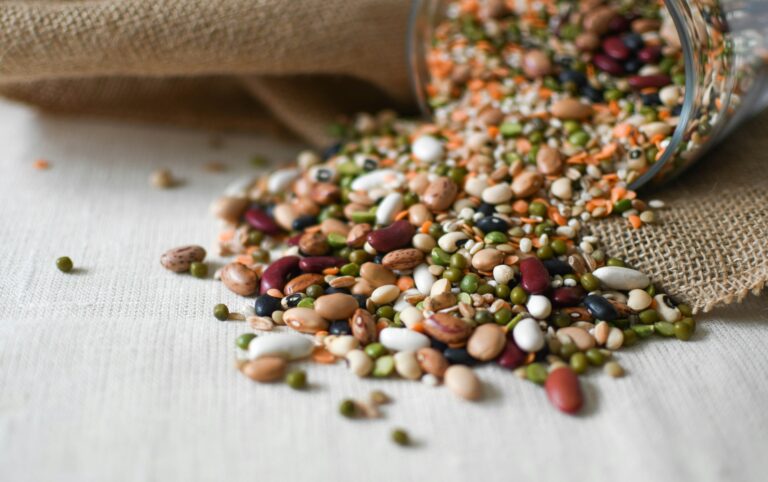
Dried foods, such as beans and lentils, are often cost-effective choices. Despite that, dried fruit is best saved for occasional snacking, since drying concentrates its sugar — in one trial, a daily serving modestly raised fasting blood sugar compared with a carb-matched snack.
Bottom Line
Frozen and canned fruits and veggies are a more affordable option without conceding nutritional value. You can get your recommended daily servings entirely via canned and frozen options and be just as healthy as a result.
Just be mindful to seek out options that don’t add extra salt or sugar for preservation. Ultimately, a reliable balance of fresh produce and its frozen and canned counterparts is likely the best path for your health and your wallet.
Experts Who Contributed
- Lauren Keary, NASM-CNC, reviewed this article for accuracy.