What Foot Training Can Do For Strength and Balance

Your foot health is an indicator of long-term mobility.
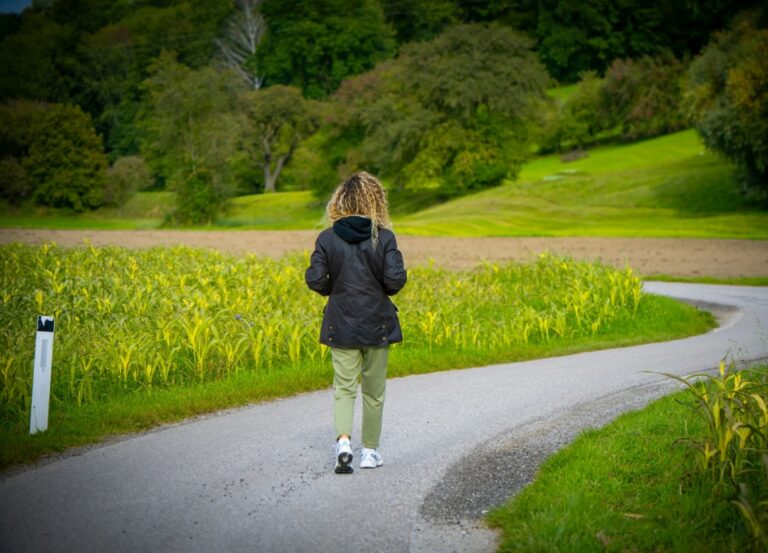
For most of us, our feet carry us everywhere — but they’re often neglected. Sure, some people might treat themselves to an occasional pedicure, but we don’t consider we need to exercise them like we do the other muscles in our body. What you may not know is foot health is connected to mobility as you age. So, building foot strength is one way to help ensure a sturdy foundation for walking for years to come. One way to start: a month of foot-strengthening with toe spacers and barefoot training.
What You Should Know About Foot Health
Your feet (usually shoved inside shoes) are the first point of contact with the ground, constantly feeding the brain information about balance and load. When foot function breaks down, the whole body feels it. You might compensate by walking with your ankle, knee, or hip in an unnatural position, causing pain. The dysfunction may even present as low-back tightness.
Over time, our foot strength declines and the muscles atrophy — one study found the size of the foot muscles in a small population of adults over 60 was up to 45 percent smaller than younger adults. This decrease in strength can affect how the foot moves, leading to less stability and a higher fall risk, according to research published in Clinical Interventions in Aging. All this to say, foot function and strength is a good indication of how well we’ll be able to move as we age.
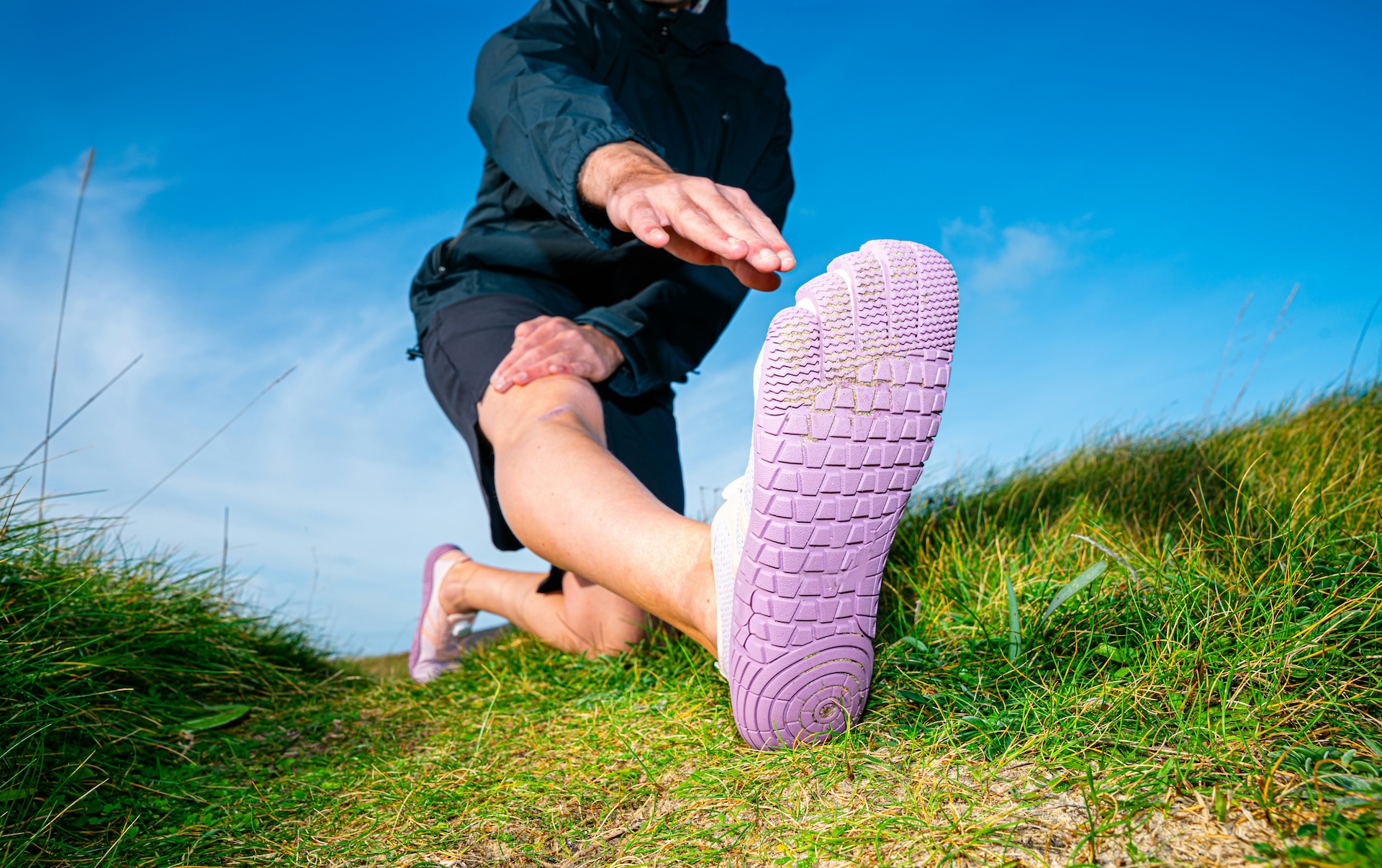
Performing regular stretches, including a calf stretch, can help increase foot flexibility and strengthen muscles, which in turn helps reduce injury risk, according to Harvard Health. There’s another trendy item to add to your foot care routine: toe spacers.
Going Deeper: What Happens When You Wear Toe Spacers
Toe spacers, also called toe separators, go between your toes to create, well, space. They can help with foot discomfort and are sometimes worn for specific concerns, including crowded toes, flat feet, or toe injuries. “Toe separators can create additional space and comfort, but they work best as a supplement to good footwear, not a replacement for it,” Georgeanne Botek, DPM, tells Cleveland Clinic.
And, research published in the Journal of Clinical Medicine shows slipping on toe spacers can be used as a therapeutic tool to help reduce foot pain and boost muscle strength in your feet and ankles. One small study of people with bunions who combined use of toe spacers and exercises saw improved foot strength.
Putting this into practice for a month tends to look pretty low-key. Toe spacers go in during evening downtime — they can feel unfamiliar at first, especially after years in narrow shoes, but many people come to find them a relief after a long day on their feet or lots of lateral movement. Pair them with foot-specific strength work: slow, eccentric-focused calf raises, short-foot exercises, and barefoot balance drills, most of which you can sneak in at a standing desk or in front of the TV.
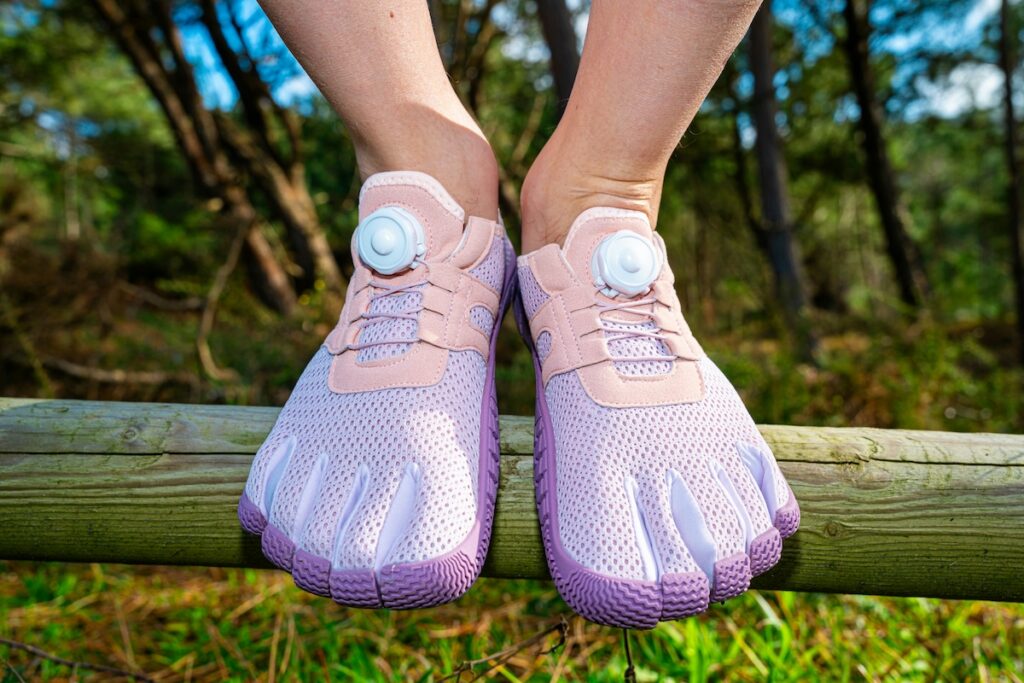
Footwear is worth a look, too. Going barefoot at home and training in socks gives your feet more contact with the ground, so those intrinsic muscles engage instead of idling inside cushioned shoes. Many podiatrists recommend shoes with cushion, arch support, and a wide toe box that lets your toes splay — a highly cushioned or narrow shoe you have to cram your toes into can leave you feeling less stable.
Stick with it for a few weeks and the payoff usually shows up in small ways: more stability during single-leg exercises, less foot fatigue after long walks, and a sharper sense of how you’re standing and distributing your weight.
The Takeaway
Paying attention to foot health and strength will help support mobility and stability as we age. Try incorporating a few minutes of toe mobility and calf raises while you watch TV, and give toe spacers a try to help relax your feet after a long day in uncomfortable shoes.
However, research doesn’t yet point to a specific duration for wearing toe spacers, so try gradually incorporating them into your routine and see what feels good for you. Podiatrists recommend starting slow, just 15 minutes at a time, and combining this with wide shoes that allow your toes to naturally splay out. If you’re transitioning to a zero-drop shoe (where the heel and forefoot are at the same height) from a cushioned shoe, it’s important to do this gradually.
Bottom Line
Your feet support balance and movement and send signals about the ground you’re walking on to your brain, helping to keep you upright. So, having strong feet can help reduce mobility concerns that can come with aging. A few minutes of foot strength work per day is one way to help. Another is putting on toe spacers to provide relief after a long day in compression socks or tight footwear. Remember, toe spacers won’t make any permanent changes to your feet. The research here is still early, and big footwear changes should be eased into. If you have concerns about foot health or strength, it’s best to see a doctor or podiatrist.