Signs of a Blood Clot: What to Watch For and When It’s an Emergency
Blood clots can escalate quickly, so learn how to spot them fast.
On Oct. 4, 2026, Philadelphia Eagles quarterback Jalen Hurts, 28, took a cleat to his left calf during a game against the Los Angeles Rams. Days later, he reported soreness — an early sign of a blood clot. One week after the cleat incident, Hurts played an international game in London after both his team doctors and London doctors diagnosed a superficial blood clot in his left calf — superficial refers to clots in veins near the skin’s surface rather than the deep veins, so they’re generally not life-threatening — and cleared him to play.
A few days later, a follow-up ultrasound showed the clot had moved, and Hurts was ruled out of his next game. His diagnosis was ultimately updated to a deep vein thrombosis (DVT) — a clot in a deep leg vein — along with clots that had broken loose and lodged in his lungs, known as a pulmonary embolism. Both can be life-threatening, and he’s expected to miss the rest of the 2026 season.
Although Hurts’ clot is believed to have stemmed from the hit, blood clots — traumatic or otherwise — are not restricted to the elderly, they can happen to anyone, anytime. They can result from immobility during long stints of travel or from dehydration, or at random due to a hereditary condition. Knowing the signs of a blood clot so it can be treated early can be the difference between a quick scare and an extended hospital stay.
What You Should Know About Blood Clots
A blood clot is exactly what it sounds like: blood thickens and clumps together in a vein (venous thrombosis) or artery (arterial thrombosis), blocking blood flow. According to Dr. Andrei Kindzelski, a blood disease expert at the National Institutes of Health (NIH), classic symptoms include “swelling, pain, warmth, and redness” on and around the clot.
A superficial clot is a clot located in a superficial vein, located closer to the surface of the skin, and is not paired with an artery, like deep veins are. Superficial clots have long been considered benign, but mounting evidence is shifting toward a more serious view, since they can sometimes coexist with — or progress to — a deep vein clot.

DVTs are clots in deep veins and are extremely serious and can be life-threatening if not diagnosed and treated early. One major risk is that a clot can travel to the lungs and cause a pulmonary embolism, which occurs when the pulmonary arteries, which carry deoxygenated blood from the heart to the lungs for oxygenation, become blocked. Other risks include the clot traveling to the brain or neck and causing a stroke, or to the heart and causing a heart attack.
There are noticeable signs of a clot. For example, if a clot develops in one leg, only that leg will show swelling, tenderness, warmth, or discoloration — redness almost certainly, bluish tones are more severe, and purple can be dire. You might feel stiffness, and it may be hard to apply pressure to that leg (e.g., standing or walking could feel uncomfortable to unbearable). That said, not every clot announces itself — Dr. Kindzelski estimates that 30 to 40% are “silent,” causing no obvious symptoms at all.
Going Deeper on When It Turns Serious
A DVT becoming a serious medical emergency can happen quickly. Signs of pulmonary embolism include shortness of breath — the most common symptom, seen in roughly three-quarters of cases — sharp chest pain that worsens when you breathe in (about two-thirds of cases), a cough that may bring up blood, faintness from a sudden drop in blood pressure, an elevated heart rate, and unusual sweating. It’s safest to treat anything resembling these symptoms as a 911 situation.
The people with the highest risk of blood clots are those actively battling cancer, during and after pregnancy, following major surgery or trauma (this was the case for Jalen Hurts), and those with a genetic predisposition or who have previously had a blood clot.
The Takeaway
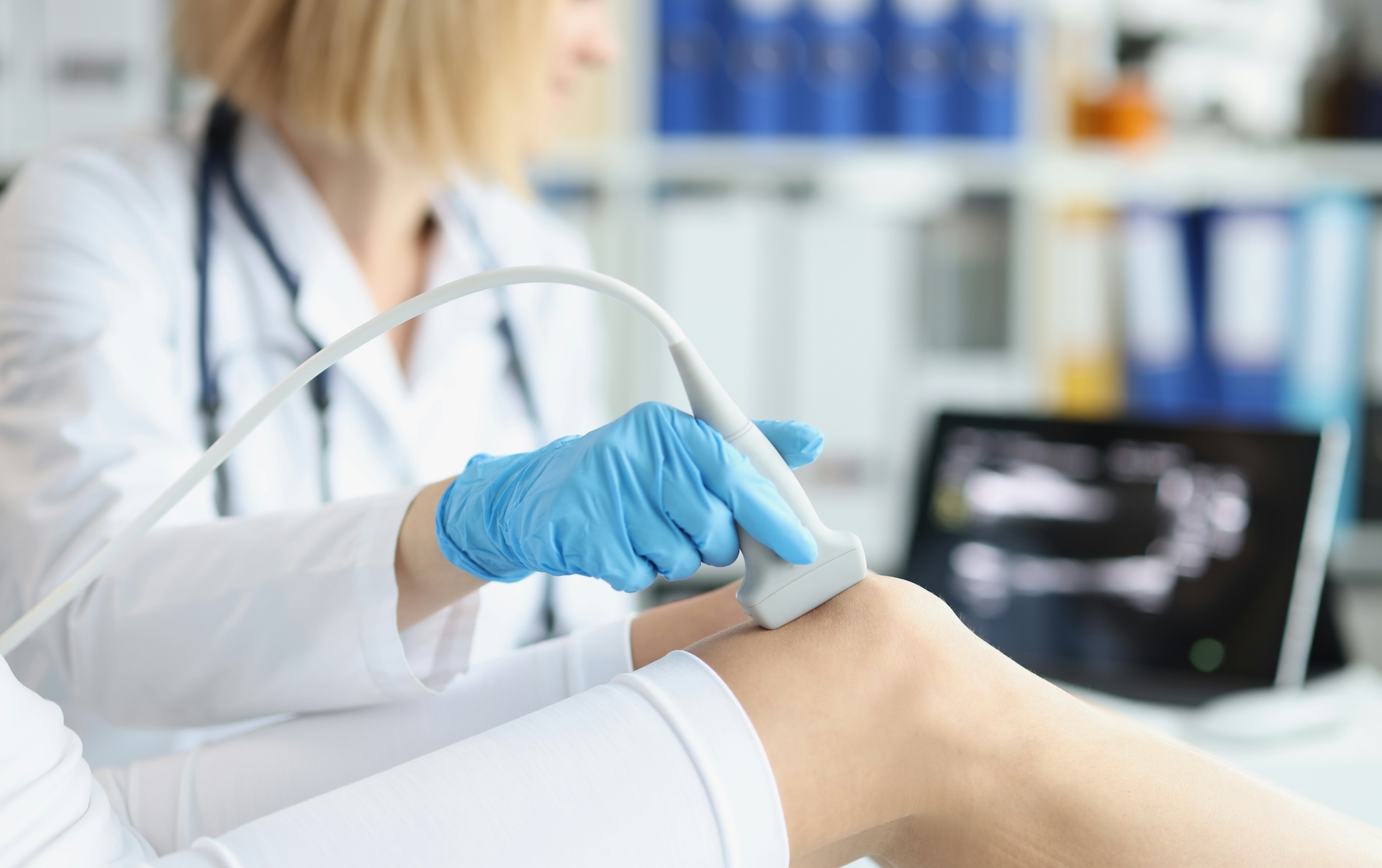
Unilateral swelling, pain, and/or discoloration in a limb, most commonly the legs, warrants an ultrasound to determine the threat of a potential DVT. Sudden shortness of breath or chest pain warrants an immediate trip to the emergency room. While knowing the signs of a clot can make a huge difference, rely on a doctor for a diagnosis.
Bottom Line
If you notice symptoms of a blood clot in your leg but don’t yet have breathlessness or chest pain, don’t hesitate to seek an ultrasound or related treatment. Don’t try to power through it. If you have breathlessness and/or feel light-headed along with unilateral swelling and discoloration in a leg, go to the hospital immediately. Use this solely as a guide for understanding some signs of blood clots, not as a diagnosis.
About the author: Phil Blechman lives with Factor V Leiden, the most common inherited clotting disorder, and has firsthand experience recognizing and treating blood clots.
More in Longevity

This Study of 117,000 Women Found Strength Training Has Major Heart Health Benefits

The Everyday Habits of People Who Live the Longest
The Overlooked Culprit Behind Age-Related Muscle Loss