New Research Highlights Cancer Risk for Flight Crews. Should Travelers Worry?
Here’s what frequent fliers should know about the findings.
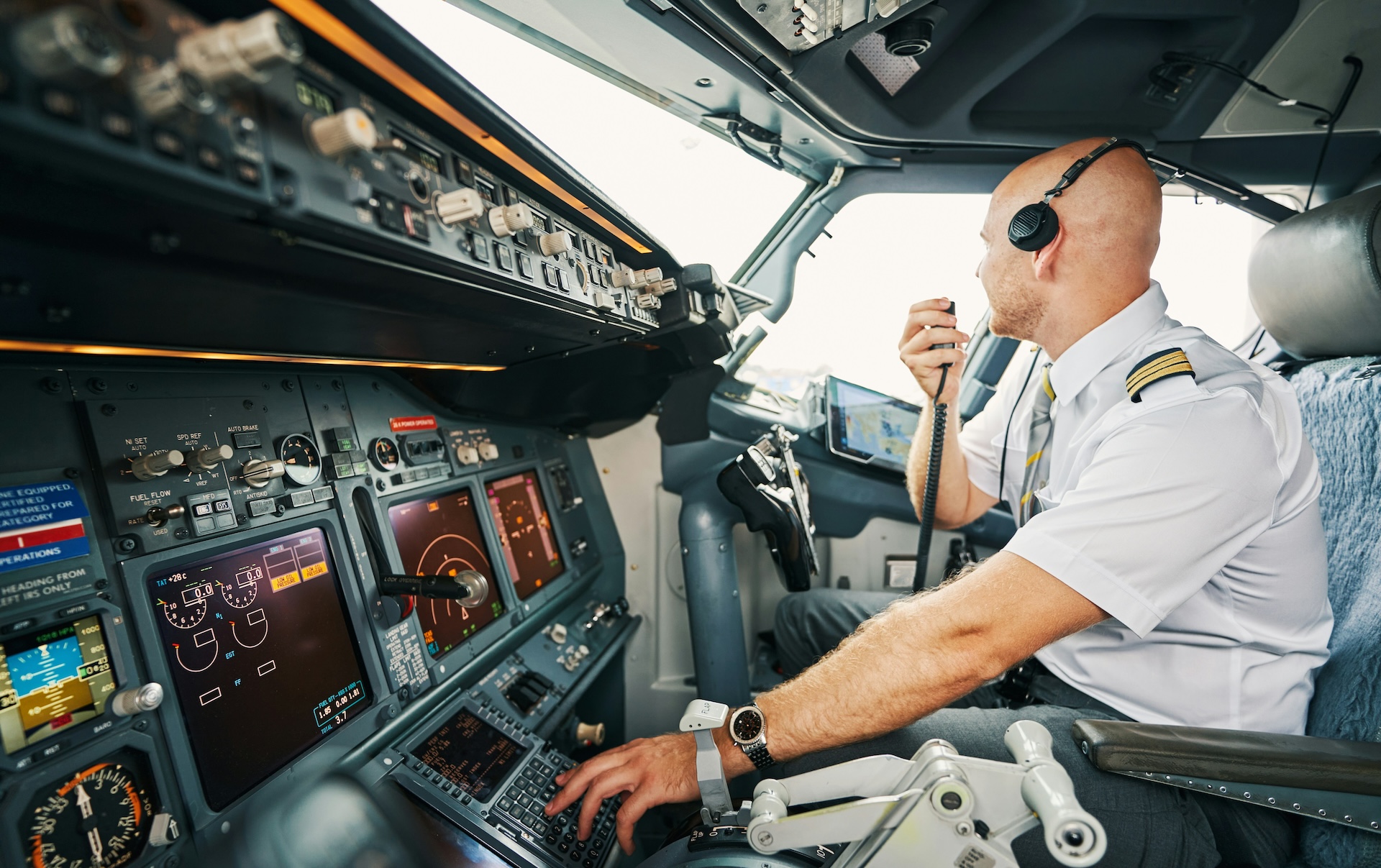
Recent research may have just exposed the occupations that put you most at risk for radiation-related cancers. While you may think evidence would point to those who work with radioactive materials, it’s actually pilots and flight attendants who have the highest risk of dying from radiation-related cancers.
The proximity to cosmic radiation at high altitudes, where exposure is greater, made the odds of dying from radiation-related cancers for those in these occupations unusually high, according to a new study published in JAMA Internal Medicine in August 2026.
What You Should Know About Flight-Crew Exposure
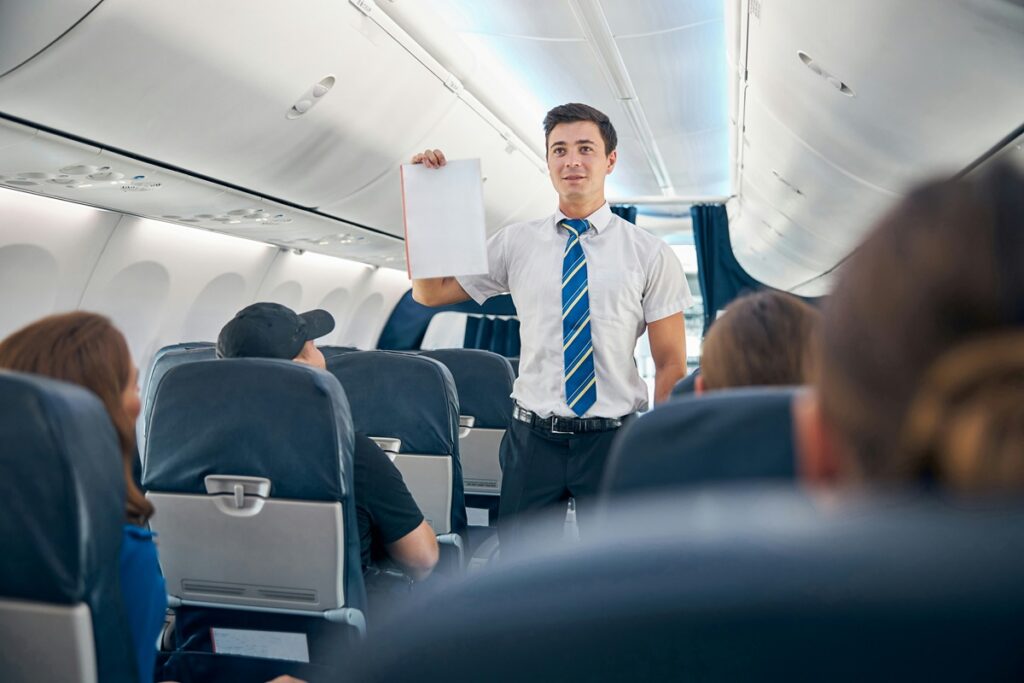
In the new study, both pilots and flight attendants showed elevated death rates from breast, central nervous system, and prostate cancers as well as melanoma — and among pilots, leukemia deaths were higher too. About 6.9 percent of deaths among flight attendants were from these types of cancers and caused 6.7 percent of pilot deaths.
In total, flight attendants had about a 50 percent higher chance of dying from radiation-related cancers and pilots had about 36% higher odds than those in other occupations.
Researchers propose this may come from their increased exposure to cosmic radiation at altitude. Frequent disruption of a body’s circadian rhythm (think: jet lag, changing time zones, and irregular shift work) also puts you at a higher risk for cancer — all in a day’s work for a plane crew.
Going Deeper on the Evidence
The researchers analyzed the cause of death and occupation of nearly 13 million people across 503 professions in the United States. The study separated out radiation- and non-radiation-related cancers. Radiation-related cancers include breast cancer, central nervous system cancers, multiple myeloma, leukemia (except chronic lymphocytic leukemia), lymphoma, thyroid cancer, prostate cancer, melanoma, and non-melanoma skin cancers.
The study found flight attendants and pilots had much higher instances of death caused by radiation-related cancers than those in other professions, including nuclear technologists. Death caused by non-radiation-related cancers was similar to those in other professions.
Further, a 2018 study of cancer rates among flight attendants published in Environmental Health was among the first large US studies to document elevated non-melanoma skin cancer rates in flight attendants. This study found 3.4 percent of female flight attendants reported having breast cancer compared to 2.3 percent in the general population and that 7.4 percent of female flight attendants reported having had non-melanoma skin cancer compared with 1.8 percent in the general population studied. Additionally, certain cancer rates were higher in male flight attendants, with 3.2 percent reporting non-melanoma skin cancer compared to 2.9 percent in the study’s general population.
Though more research is needed, researchers have been drawing connections between factors such as exposure to cosmic ionizing radiation, which comes from space and is more intense higher in the air. The 2018 study also suggests cabin air quality, including smoking when it was still allowed on planes may have contributed to cancer rates as well. (The 2026 study excluded lung cancers.)
And, the study authors do note some limitations to these new findings. For one, they aren’t totally sure how much exposure people got in the air versus other sources. And, occupations may be misclassified on some death certificates.
The Takeaway
For those who are frequent fliers, there’s no need to panic about your travels having a meaningful impact on your cancer risk. The study’s authors said as much in TIME: they aren’t changing their own travel plans, and they don’t think frequent flyers should either. Travelers who take 10 cross-country round-trip flights a year absorb only about 0.4 millisieverts of cosmic radiation — roughly a seventh to a fifteenth of what a career pilot or flight attendant takes on in a year, the study’s authors estimate. You are at increased risk of UV exposure on flights in the thin atmosphere, so wearing a moisturizer with SPF (especially if you favor the window seat) and performing regular skin checks can help you keep an eye on melanoma risks. Focusing on your sleep hygiene when traveling can also help support your health.
Bottom Line
This research should be eye-opening to agencies who protect workers, but it should not scare travelers. Being armed with this information can help those in the highest-risk careers (the flight attendants and the pilots) better understand their risks and check in with their healthcare providers.