Does Protein Powder Actually Help Older Adults Keep Muscle?

Protein’s selling point is all about sparing muscle. But for the elderly, more protein might not be enough on its own.
When it comes to protein powder vs. exercise for muscle in older adults, we finally have a clear picture. A new study published in the American Journal of Clinical Nutrition has shed much-needed light on the impact of extra protein supplementation on muscle preservation in older adults. Why is this finding relevant now?
High-protein foods line the aisles of grocery stores — many tout their muscle-preserving effects as a selling point. While that’s still more true than false, this new research paper helps us understand why, for older adults in particular, protein is only half the picture.
What You Should Know
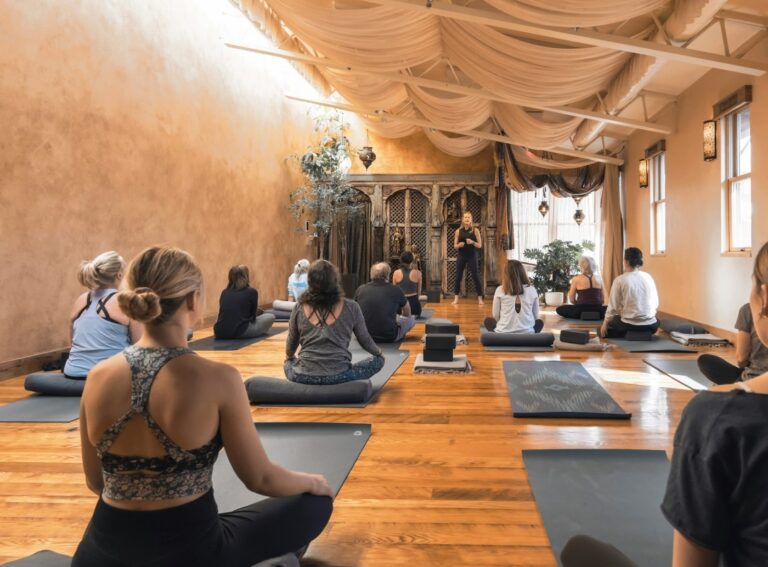
The study in question, published by Ceglia & colleagues, found that older adults (65 years and up) need more than dietary protein to maintain muscle strength and function. Exercise is what really moves the needle.

Why it matters: Age-related degradation of muscle strength and size, called sarcopenia, can begin as early as 40 years old. For seniors, this process contributes to greater risks of personal injury and reductions in quality of life.
While these losses can’t always be reversed, it’s never too late to mitigate.
Going Deeper: What the Study Found
The premise: Protein is essential for preserving muscle. However, most older adults in the U.S. already consume recommended levels of protein for their age group. Muscle loss occurs anyway.
So, what works better?
- 141 older adults aged 65 and up took whey protein, a placebo, or whey paired with potassium bicarbonate — an antacid ingredient meant to counter the acid buildup thought to break down aging muscle — for 24 weeks.
- Researchers then tested their muscular strength and coordination on the leg press exercise and various balancing tasks.
The finding: Strength and coordination were the same whether participants got extra protein, the bicarbonate, or a placebo — even though their bodies looked primed to build muscle, excreting more acid like a younger person’s would and showing elevated levels of the muscle-building hormone IGF-1.
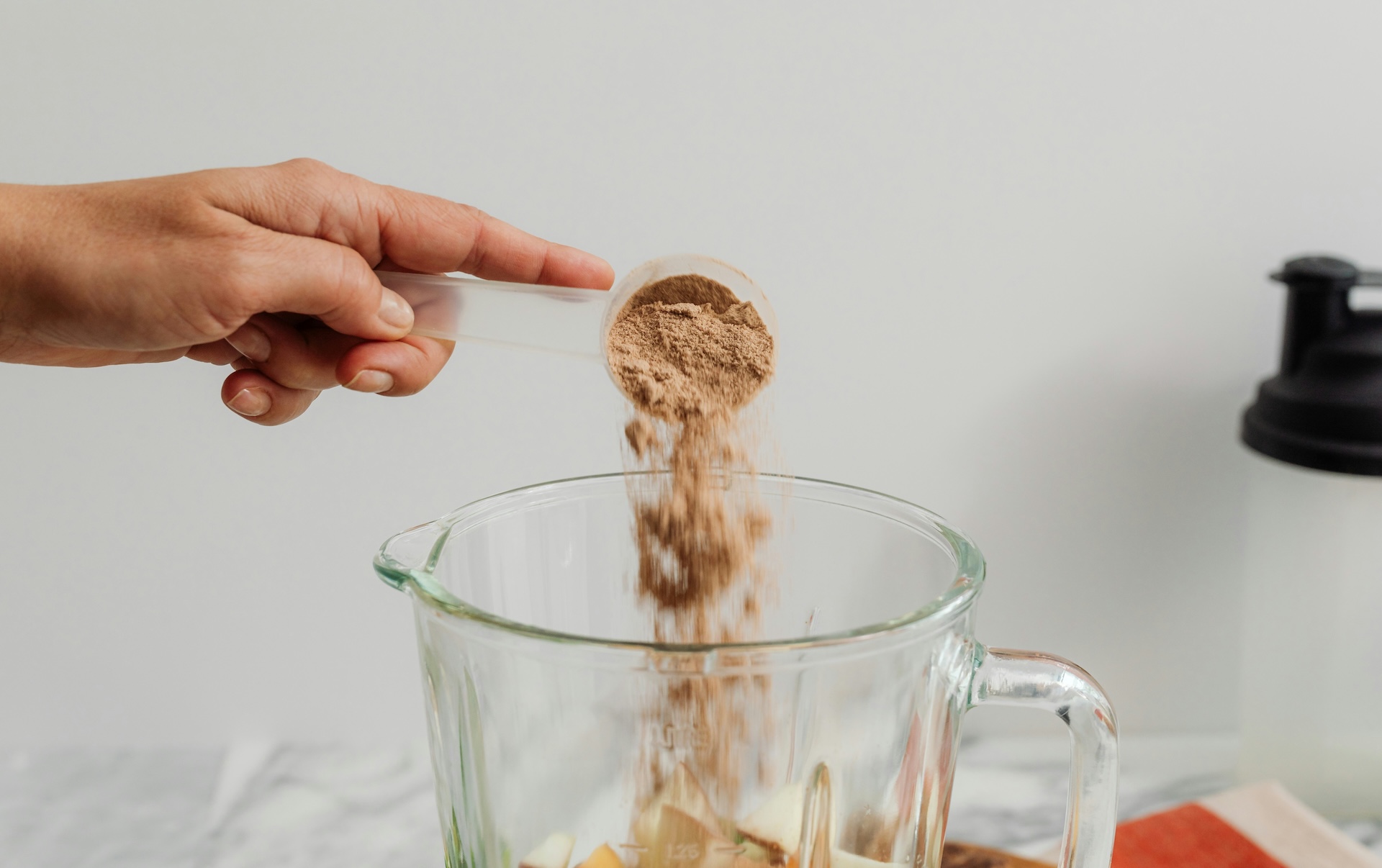
Does protein not “work” for older adults? Not at all. Protein powders are an invaluable tool for anyone who needs to get more protein in their diet, regardless of age. Think people suffering from malnourishment or injury, or those who live in food deserts.
That said, exceeding your protein threshold doesn’t directly impact muscle functionality or overall quality of life.
The Takeaway
Keeping an old car’s fuel tank topped up won’t make it run any smoother on the road, but staying on top of general maintenance will. People, especially older adults, work similarly. According to Ceglia, exercise is the most effective muscle-sparing intervention for older adults. Protein matters, but fuel alone doesn’t keep the wheels turning.
Bottom Line
In a rigorous clinical trial, extra protein supplementation didn’t help older adults build strength. Exercise remains the lever to pull for seniors worried about retaining strength and functionality late in life, but that doesn’t mean it’s harmless to underfuel.
Experts Who Contributed
- Jake Dickson BS-EXS, NASM-CPT, wrote this article.
- Lauren Keary, NASM-CNC, reviewed this article for accuracy.