The Military Sleep Method: Does It Actually Work?

This trick may help you fall asleep in just two minutes.
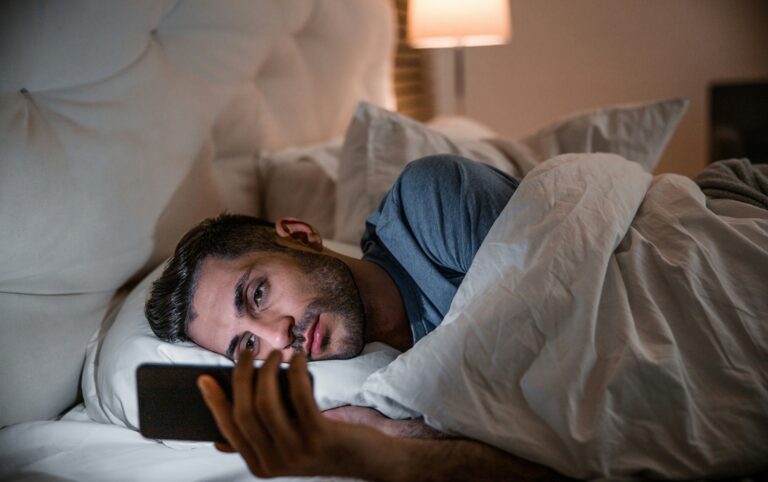
Getting a good night’s rest is important for your mental and physical health. But falling asleep isn’t always easy. Whether your mind races with thoughts of what you still need to get done or you had too much screen time too close to bed, it can affect the amount of time you sleep — and the quality. If you’ve tried everything to no avail, this sleep trick promises to help you off to dreamland in just two minutes: The military sleep method may be your one-way ticket to better rest — and it’s one you probably haven’t tried.
What You Should Know About the Method
Nearly 15 percent of U.S. adults have trouble falling asleep most nights, according to the CDC. If this is you, here’s how the military sleep method works, and how it might cut down the time it takes you to drift off. This five-step relaxation technique is designed to help release physical tension and clear your mind, claiming to help you fall asleep in just two minutes. Here’s how to do it:

- Relax your face. Close your eyes and breathe deeply, then focus on releasing tension in your face, working from forehead to jaw, unclenching anywhere you’re holding tight.
- Release tension in your shoulders and arms. Work your way down your body next, releasing tension in your neck, shoulders, and arms, letting them drop. Start on one side, then the other. Imagine yourself sinking into the bed, similar to Shavasana during a yoga practice.
- Relax your chest. Continue to focus on your breathing, exhaling to release tension from your chest.
- Release tension in your lower body. Similar to your arms, focus on relaxing one leg at a time, from the hips down to your feet.
- Clear your mind. Now that your body is relaxed, it’s time to clear your mind. (Easier said than done, we know). To do this, try painting a picture in your head or imagining a relaxing scene, such as drifting in a canoe on a still lake under an open blue sky. If this doesn’t work, repeat the words “don’t think” for about 10 seconds at a time, then try repeating the visualization.
Track coach Lloyd “Bud” Winter popularized this technique in his 1981 book Relax and Win: Championship Performance in Whatever You Do. But this relaxation method is not new: It had actually been around for decades — before World War II. It was designed to help Navy pilots fall asleep fast, even during stressful situations or in loud environments.
Going Deeper on the Science
The military sleep method centers on progressive muscle relaxation, which has been shown to help relax tension in the body and quiet a racing mind — helping you fall asleep faster. Research published in the Journal of Sleep Research found that utilizing progressive muscle relaxation can help you spend more time in slow-wave sleep, the most restorative part of the sleep cycle.
Another component of this sleep hack is controlled breathing. Research shows that employing consistent breathing techniques when trying to fall asleep helped support sleep quality.
That said, the military sleep method itself has never been directly tested. As Cleveland Clinic notes, no studies have measured the full technique — the evidence is for its building blocks, not the package. The often-repeated claim that 96% of pilots fell asleep within two minutes traces back to Winter’s own WWII-era account, not a modern trial.
Together, the steps in the military sleep method are designed to help calm your nervous system, which will allow you to fall asleep faster.
The Takeaway
If you’re someone who struggles to fall asleep or quiet your mind, adding the military sleep method to your nighttime routine is worth a try. When combined with other healthy sleep habits, like avoiding screens a few hours before bedtime, cutting off caffeine intake early in the day, and taking a warm bath, it may help you fall asleep faster.
Bottom Line
Giving your mind something to focus on will help keep your thoughts from wandering. Physically relaxing will also help prepare your body for sleep. While it may take longer than two minutes to fall asleep, this method may help you reduce the time it takes to fall asleep, especially if you’re prone to tossing and turning. However, this method isn’t a cure for underlying issues. If you aren’t getting quality sleep, or your lack of sleep is affecting your daily life, you should see a sleep specialist who can help diagnose underlying issues like sleep apnea or insomnia.