Your Loofah May Actually Be a Breeding Ground for Bacteria — Here’s What to Know

This bath sponge requires a little more than just air drying to stay clean.
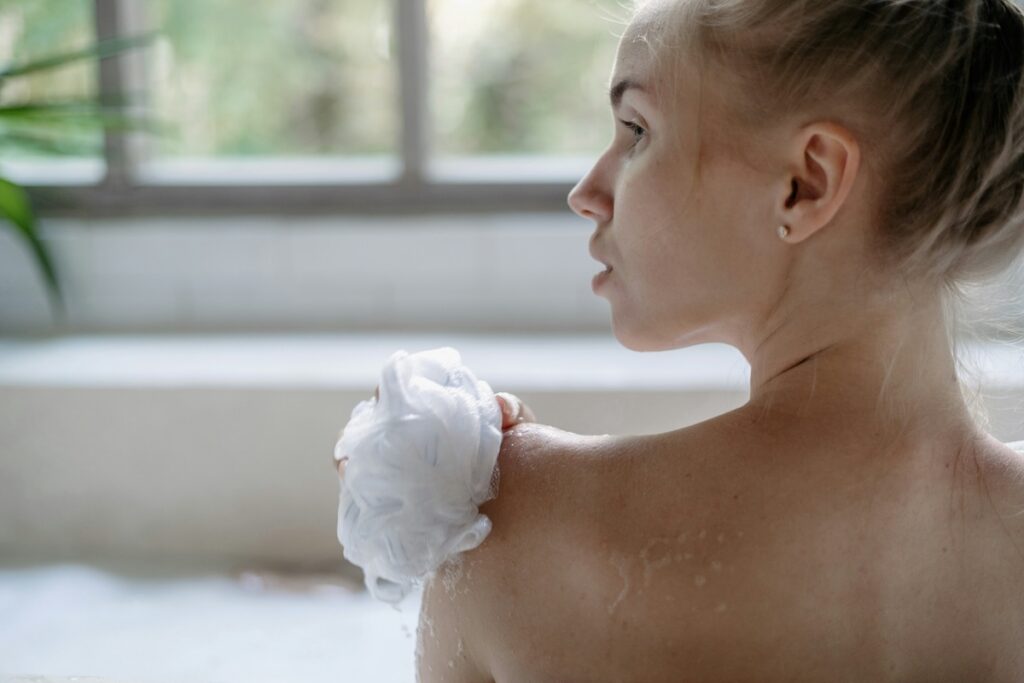
Loofahs are often heralded as a popular shower tool to exfoliate dead skin and help you get squeaky clean. But what you may not realize is loofahs actually are harboring bacteria, potentially making them a bad choice for lathering up. Since they stay in your shower, they never quite dry out, and the nooks and crannies of the puffy loofah create an environment that’s welcoming for bacteria. Without proper cleaning, they can hang onto dead skin cells and even put you at risk for skin infections. That’s not to say you should never use a loofah, but there are a few tips and tricks you should follow to make sure you don’t have anything funky lingering in this scrubby tool.
What You Should Know
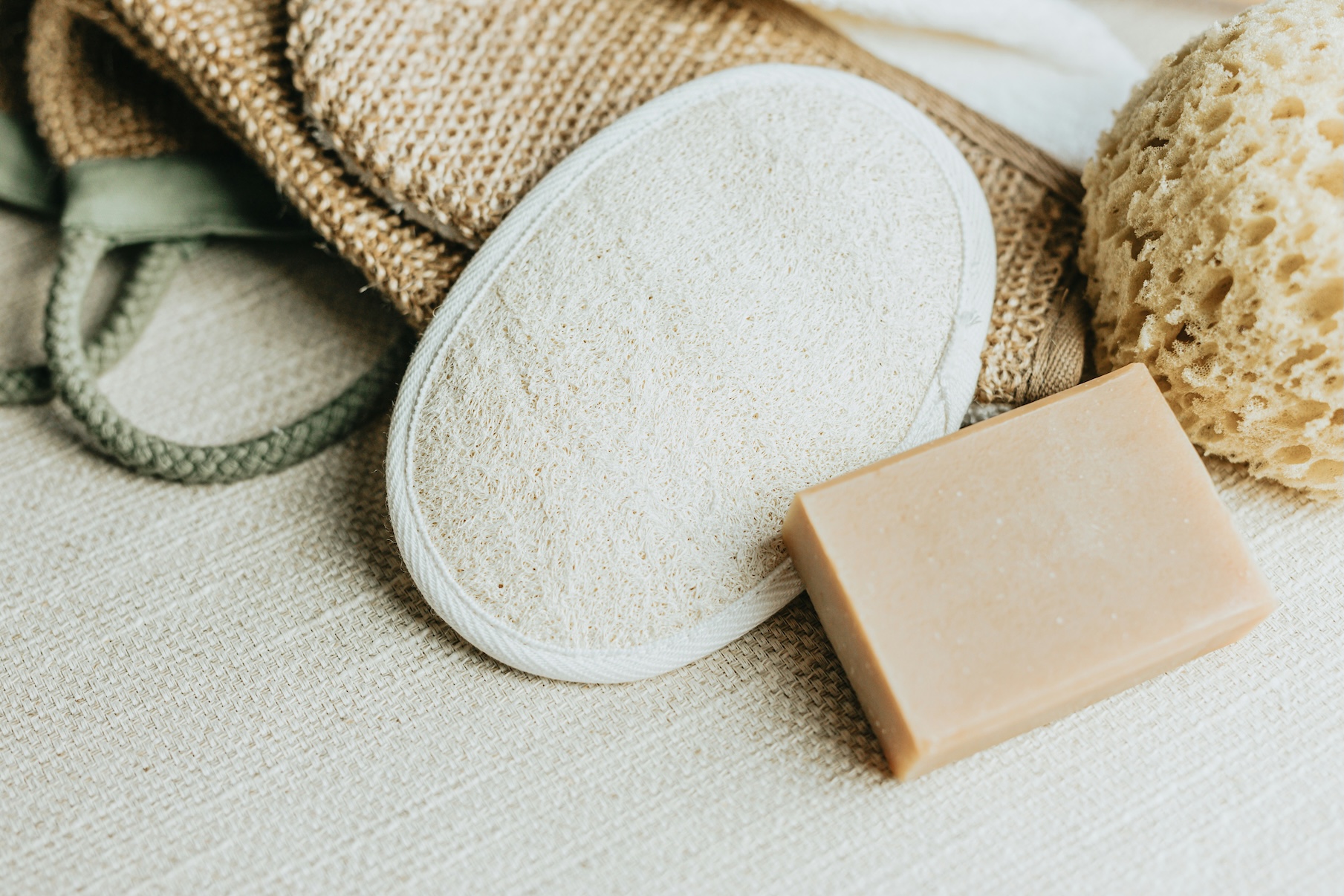
Many loofahs, especially cheap ones, are made from synthetic plastic. They can also come in the form of natural gourd — made from the cucumber family. The porous material offers lots of nooks for dead skin cells to get lodged in, and your wet, steamy shower creates a breeding ground for microbes and bacteria.
Because loofahs live in a damp shower and never fully dry out, they become a prime breeding ground for bacteria — the constant moisture and trapped skin cells are exactly what microbes need to thrive.
The most common culprits include E. coli, Pseudomonas aeruginosa, Staphylococcus, and Streptococcus, plus fungal organisms that can cause skin infections. If you like the exfoliation a loofah provides, you don’t have to ditch it altogether. Instead, there are a few steps you can take post-scrub to keep your loofah — and skin — bacteria free.
Going Deeper: How to Use a Loofah Safely
- Keep it clean: Keeping your loofah clean takes more than assuming the soap does the work and hanging it in the shower to dry. Instead, rinse it after use and thoroughly dry it using a towel. Then, hang it somewhere cool and dry — outside of your shower. You should also clean it at least once a week. You can toss it in the dishwasher, or soak it in a diluted bleach solution, making sure it’s rinsed and dried fully. A study from 1994 suggests regular cleaning with bleach will help reduce your risk of bacteria growing.
- Use it sparingly: You don’t need to exfoliate every day, and your skin actually needs time to repair itself. Too much harsh scrubbing can strip the skin of its natural oils, leave you more prone to sunburn, and even trigger contact dermatitis, according to Harvard Health. You should also skip the loofah for a couple of days after shaving to ensure bacteria can’t enter the skin via razor nicks. And, experts recommend washing your face with your hands, rather than scrubbing with a loofah, as a gentle cleanse is best for the sensitive skin there. To help further reduce bacteria risk, avoid using it on your genitals, as bacteria can sometimes grow in the perineum.
- Replace it on schedule: If you have a natural loofah, you’ll need to replace it every three to four weeks. Plastic loofahs can last up to two months. If you spot mold or get a whiff of a musty smell, that’s a sign to toss your loofah and replace it immediately.
- Consider a swap: While washcloths can still harbor bacteria, they are a good loofah alternative. They’ll still offer exfoliating benefits, but they’re much easier to wash and dry. A silicone body scrubber or a biodegradable, plant-based konjac sponge are other great alternatives.
The Takeaway
If your loofah is an important part of your self-care routine, there’s no need to ditch it. You’ll just need to give it a little TLC. Dry it daily (don’t just hang it from your shower head), clean it weekly, and replace it on time. And, experts suggest you don’t use it daily for skin health and avoid using it on sensitive areas altogether. If you don’t want such a high maintenance scrubber, a washcloth is a low-maintenance swap that’s easier to keep clean.
Bottom Line
Loofahs genuinely harbor bacteria and fungi, according to derms. And while they can be a useful shower tool, most of us aren’t taking the steps necessary to keep them as clean as they should be. This can put you at risk for everything from skin irritation to bacterial infections. But taking a little extra time to properly clean and dry your loofah, and replacing it frequently, will help you avoid any unwanted issues.