How to Fact-Check Your Favorite Wellness Creator

Collabstr/Unsplash
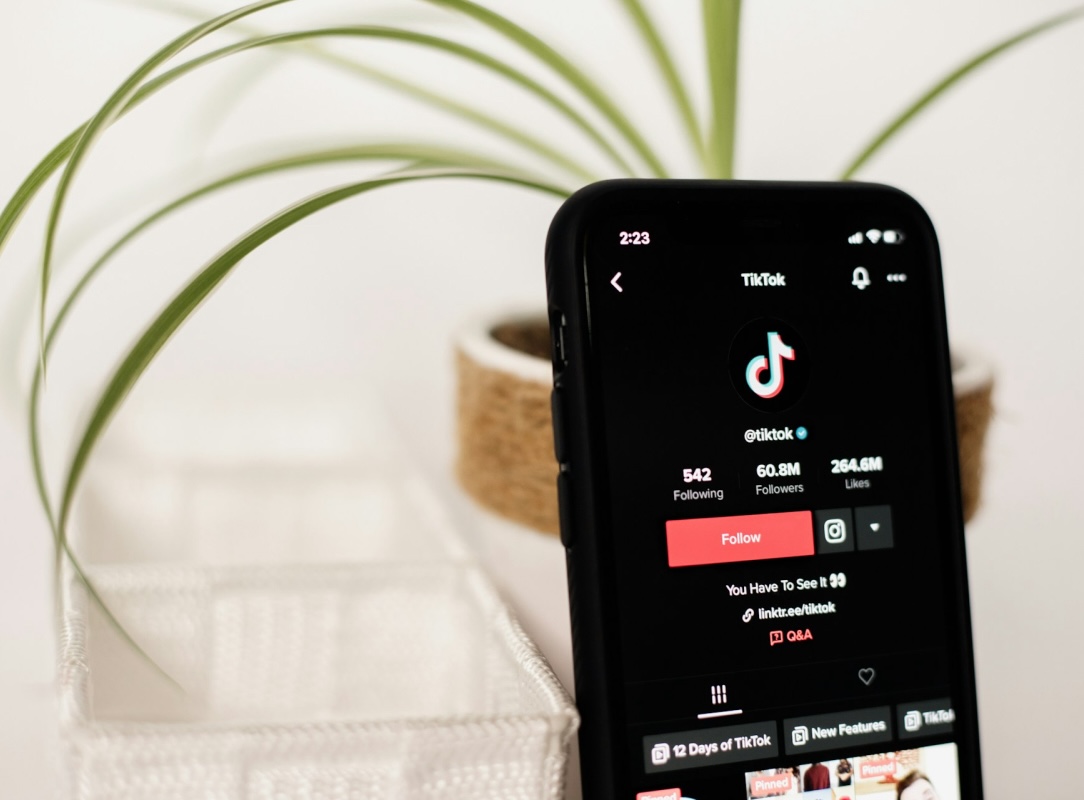
You’ve Been Influenced: At this point, scrolling social media for health advice has become a given for many of us. This habit can be problematic, however, because social platforms reward creators for being relatable and confident, not for being accurate. As an example, one study showed roughly half of ADHD and autism-related TikTok videos contain information not supported by current clinical evidence — not to mention, deepfake videos impersonating doctors are a real concern.
How to Do It: To assess the accuracy of a health or wellness claim, start with the credentials of the person behind it. Ideally, they should be a licensed clinician in the field they’re creating content about — an MD for medical advice, an RD for nutrition advice, and so forth. Cross-reference claims (especially dramatic ones) with clinical research in peer-reviewed journals and official statements from organizations like the American Medical Association. When in doubt, speak with your own healthcare team to find answers.
The Benefits: Knowing how to filter out misleading health content keeps you informed, and can prevent you from making an inaccurate self-diagnosis that delays real treatment.