Why More People Are Turning to Fitness Clubs to Stay Sober
Giulia Squillace/Unsplash
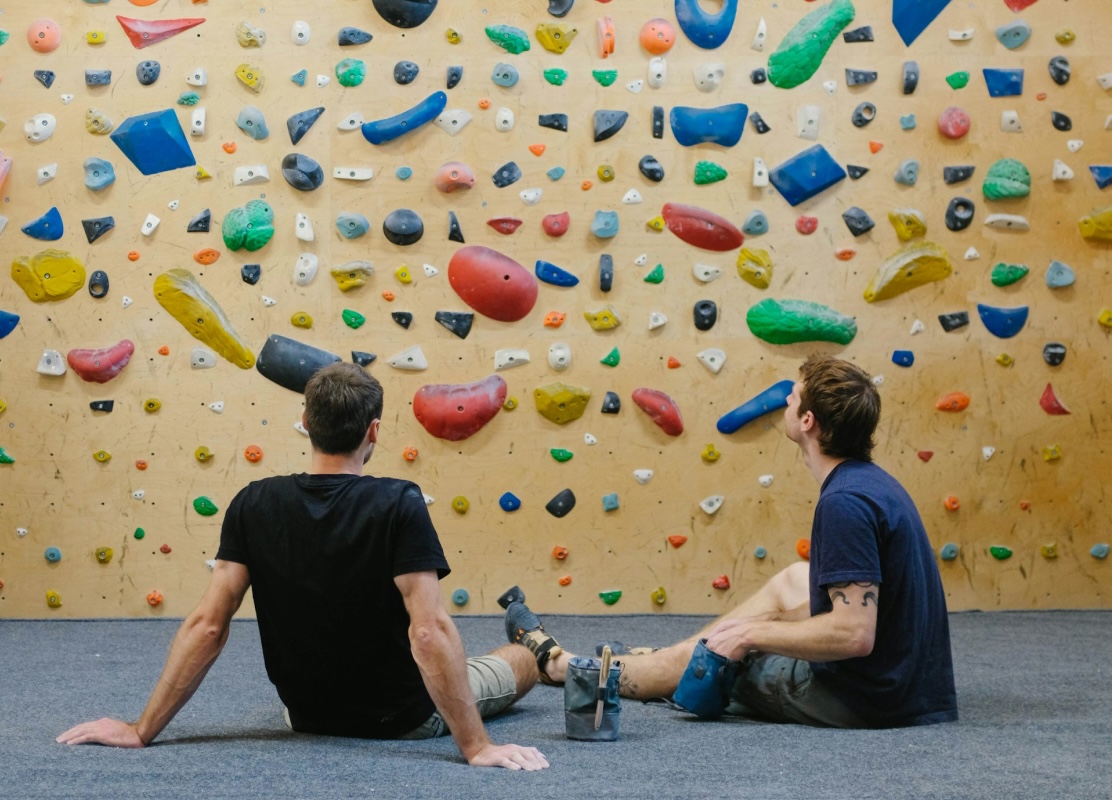
The Trend: Ultrarunner Max Jolliffe’s recent victory at the Badwater 135 is remarkable on its own — but it’s also part of a bigger story. Jolliffe, who has been sober for more than a decade, has spoken about how the discipline, resilience, and community that support recovery have also fueled his athletic pursuits. Across the U.S., that mindset is showing up in sober rock climbing groups, weightlifting and run clubs, hiking meetups, and even alcohol-free community dinners. Rather than centering recovery around what people are avoiding, these groups focus on building a life people genuinely enjoy.
What People Are Saying: Recovery experts say these communities work because they replace isolation with connection, a major predictor of long-term recovery. Exercise can improve mood, reduce stress, and provide structure, while group activities add accountability and a shared sense of purpose. Sober spaces and exercise-based programs can be a valuable complement to traditional treatment, doctors say, though they’re most effective as an adjunct, not a replacement for evidence-based care like counseling, medication, or detoxing when appropriate.
What to Know: Fitness isn’t a cure for addiction, but spaces that center physical activity and community offer something important: a healthy identity and a supportive community that make sobriety feel safe.
More in Personal Growth

“Stinkfluencers” Are Skipping Showers in Hopes of Better Dates
 Personal Growth
The Heart-Health Measurement You’re Probably Not Checking
Personal Growth 
How to Turn Your Home Into a Longevity “Blue Zone”
Personal Growth 
Americans Are Drinking Less. Why Are Alcohol-Cancer Deaths Rising?
Personal Growth