How to Avoid Microplastics: The Swaps That Actually Matter

You can’t avoid every microplastic, but a handful of swaps do most of the work.
Microplastics are everywhere: in the food we eat, in the utensils we use, in the containers we carry, and they are stressing us out. While avoiding microplastics entirely is an impossible task, minimizing your exposure to them is not.
Since microplastics are smaller than five millimeters and therefore hidden from the naked eye, understanding where, what, and how you are likeliest to interact with them is your best chance at minimizing their impact and successfully learning how to avoid microplastics as effectively as possible.
Want the full playbook? The All Healthy Microplastics Toolkit ranks every major source of exposure — food, water, air, and more — and lays out exactly which swaps move the needle, backed by a PhD chemist.
What You Should Know About Microplastic Exposure
Microplastics are part of the fabric of our world now. They’re also in the fabric you wear: polyester, acrylic, and various blends release microplastics when you wash them.
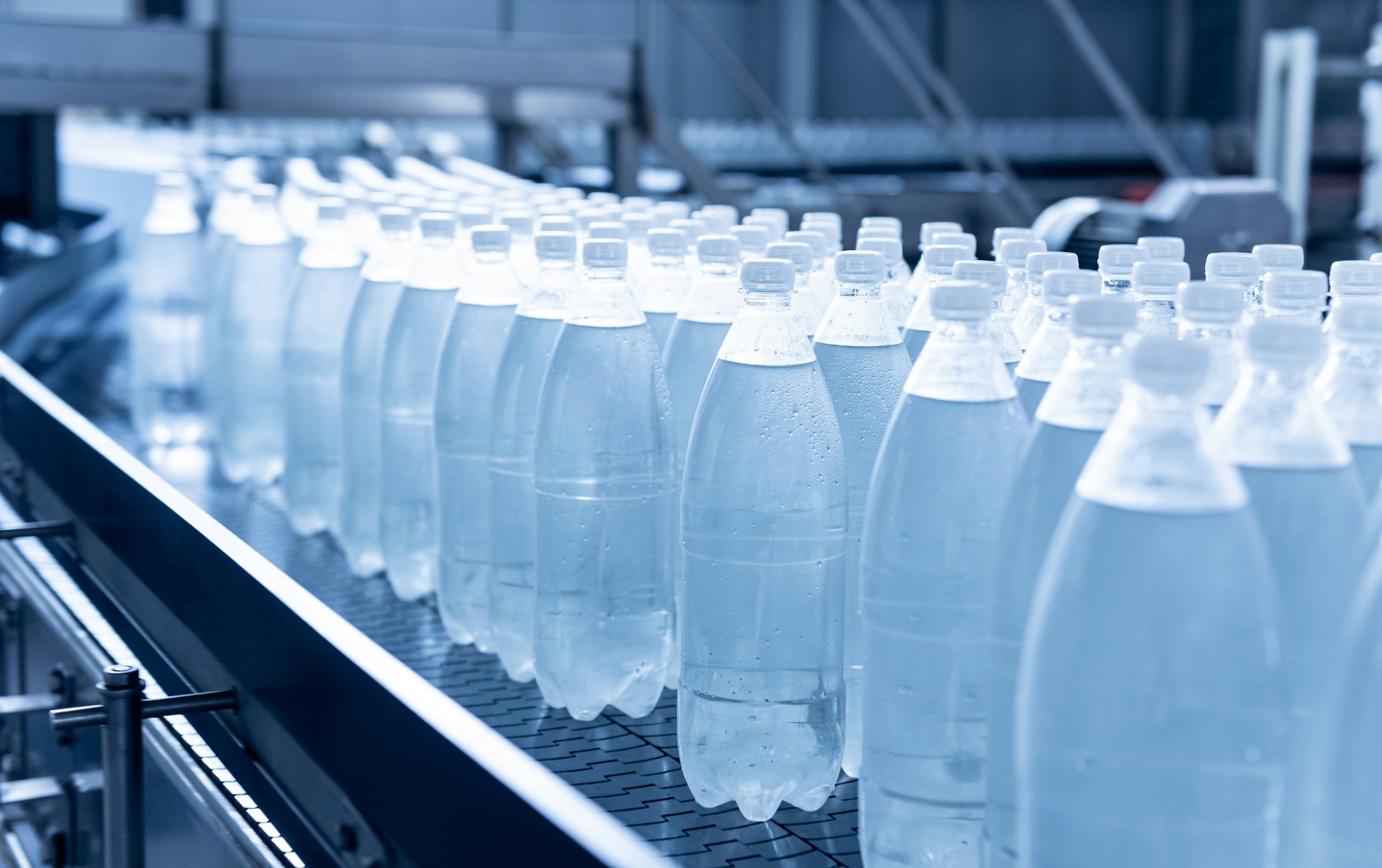
Microplastics have been increasing in the water you drink, whether from the sink or in plastic bottles. It’s probably obvious how the latter can seep microplastics into water at a volume of approximately 240,000 particles per liter, but it might not be common knowledge that most tap water samples tested worldwide contain some amount of microplastics.
Microplastics are in the food you eat. From seafood and produce to the containers your takeout is delivered in, to the kitchen where you prepare your meals and the tools you use to prepare them.
Microplastics are in the air you breathe, too — indoor dust carries fibers shed from synthetic textiles, carpets, and furniture, and how much you’re exposed to depends heavily on where you live and how ventilated your space is.
Although microplastics are unavoidable and seem like a huge threat, don’t let these numbers scare you. Rather, let them embolden you to make the changes that can minimize microplastics’ impact on your day-to-day.
Going Deeper: The Swaps That Matter Most
Stop cooking or reheating your food or liquids in plastic containers. Plastic and heat in any combination should trigger a red flag, since warmer temperatures drive more plastic to shed and leach into what you’re eating or drinking. Read: No plastic containers in the microwave.
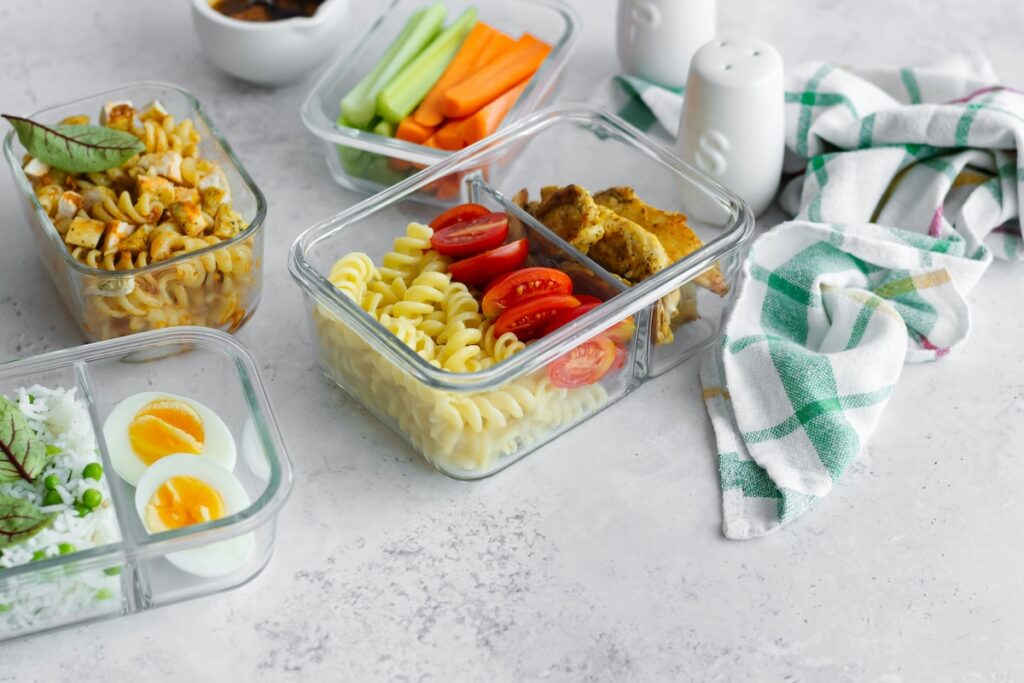
Swap plastic bottles and containers for glass or stainless steel, since neither of the latter has plastic in them that could degrade into your food and drink.
Invest in a stainless steel kettle and loose-leaf tea infuser to replace plastic kettles and tea bags. Boiling water in a plastic kettle carries a high risk of diffusing microplastics into it — again, if you can only change one thing: don’t combine plastic and heat.
Steeping tea bags, which are commonly made from food-grade polymers, can release over 11 billion microplastics into your beverage. A stainless steel infuser will let you get all the benefits of tea’s antioxidants without the unwanted nylon particles.
Wash your clothes with a microplastic filter. Laundry sends an estimated 5.69 million tons of microplastic fibers into the ocean each year, about a third of which reaches the ocean. Using a microplastic filter in your washer and dryer can decrease the release of microplastics by 78%.
Outfit your home with an air filter. High-Efficiency Particle Air (HEPA) filters have been shown to reduce the concentration of microplastic particles in the air. These filters are even more effective when used while the air conditioner is on. There are True HEPA filters available for vacuum cleaners, too.
Help yourself out with an exposure checklist to simplify the process.
The Takeaway
Microplastics are embedded in our daily lives. The goal of these swaps is to minimize their impact, not achieve the impossible task of avoiding them altogether.
Make the changes that feel doable. Start with avoiding plastic with heat and build from there. The 30-day approach can be your roadmap: reset your kitchen in week one, your water routine in week two, your home environment in week three, and incorporate easy, preventative measures as part of your lifestyle from week four onward.
Bottom Line
Microplastics don’t need to be an obsession or a constant, looming opponent. They will always be around, but they don’t have to be a problem. These swaps can reduce the most common areas of contact you’ll have with microplastics. Tackle those now and expect the rewarding feeling that will result when future research demonstrates how much they lower your health risk.
Ready to go beyond the basics? The All Healthy Microplastics Toolkit turns these swaps into a step-by-step plan — a personal exposure audit plus a 30-day roadmap to cut your exposure for good.
Experts Who Contributed
- Lauren Keary NASM-CNC, reviewed this article for accuracy.