The Easiest Ways to Cut Your Microplastic Exposure

Kate Trifo/Unsplash
Not-So-Fantastic Plastic: Microplastics are stressing some of us out. Researchers have found these particles everywhere in the human body (from blood to breast milk), and it can feel completely useless even to try to limit exposure. The good news is that, since your kitchen is one of the biggest sources of daily contact with plastics, making a few easy changes there can make a big difference.
The Benefits: Many of the chemicals in plastics are endocrine disruptors, meaning they can mimic or block your hormones. That hormonal interference has been linked to reproductive issues, developmental problems in children, and a higher risk of certain cancers and metabolic disorders.
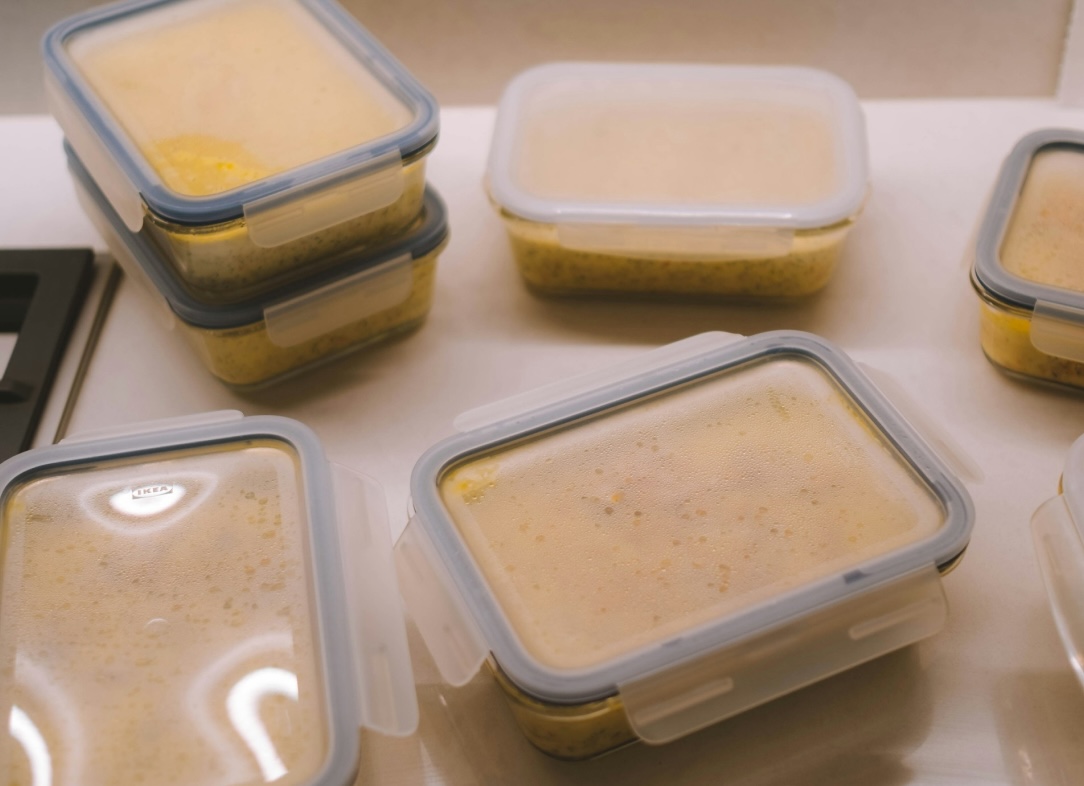
How to Do It: First, focus on any plastics that are exposed to heat, because that’s what makes chemicals leach most aggressively. Throw out any black plastic spatulas or spoons, which are often made from recycled electronics and can carry toxic flame retardants. Store leftovers in glass jars rather than plastic containers, and never microwave food in plastic. And if you’re a tea drinker, switch to loose-leaf because polypropylene tea bags can release billions of plastic particles per cup. Even making one of these changes can help. But above all, strive for progress, not perfection.