How Much Tracking Is Too Much?

Jerry Kavan/Unsplash
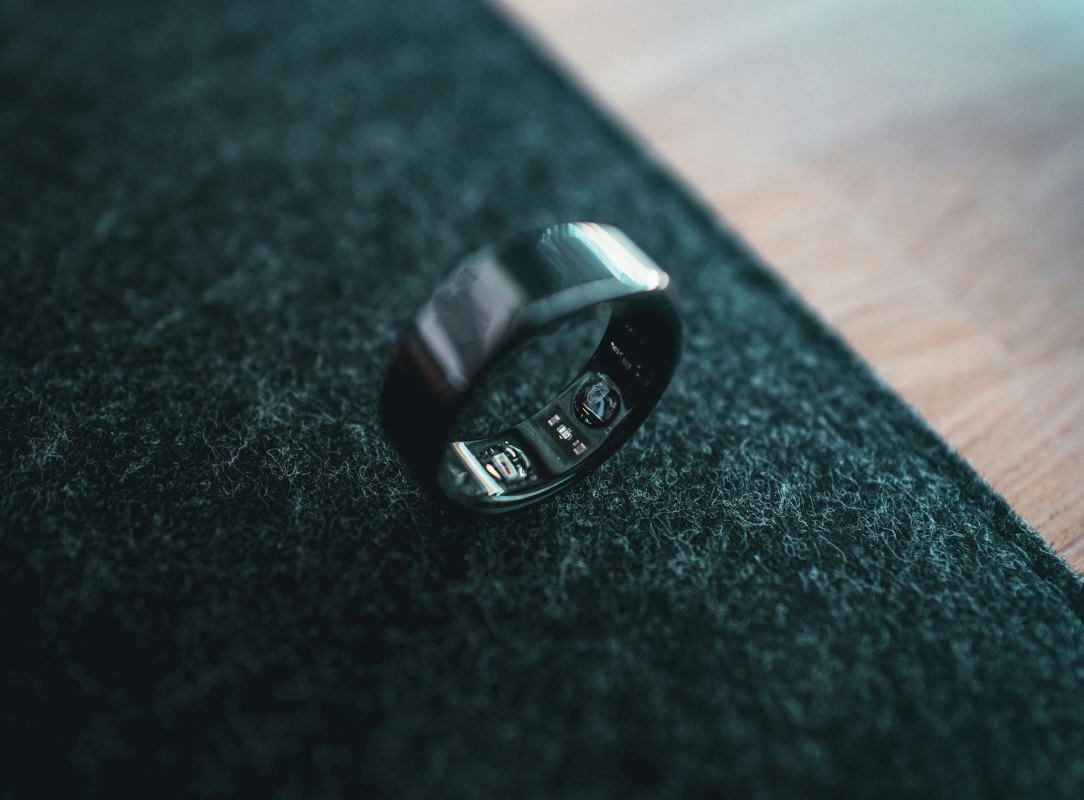
The Trend: Health tracking has moved far beyond step counters. Today, you’ll see Apple watches logging every workout, and Oura rings and Whoop bands measuring recovery. There are also new devices, such as a saliva sensor from Lura Health that reads your spit for real-time health feedback, and a smart toilet from Throne Science, promising digestion insights you never asked for but might secretly want.
What People Are Saying: Fans of wearables say that data from these tools can help you understand how daily choices and habits impact your health. But research shows there are downsides. One study suggests that tracking can dampen the sense of satisfaction that comes with making progress, while another linked constant tracking with perfectionism, where no score feels good enough.
What to Know: Trackers work best when they help you reflect on your habits or notice patterns. A single bad sleep score doesn’t erase progress, and one number alone does not define success. So it’s okay to step back if monitoring starts to feel stressful. Because, at the end of the day, the most important measure is how you feel.