How Fatherhood “Rewires” the Male Brain

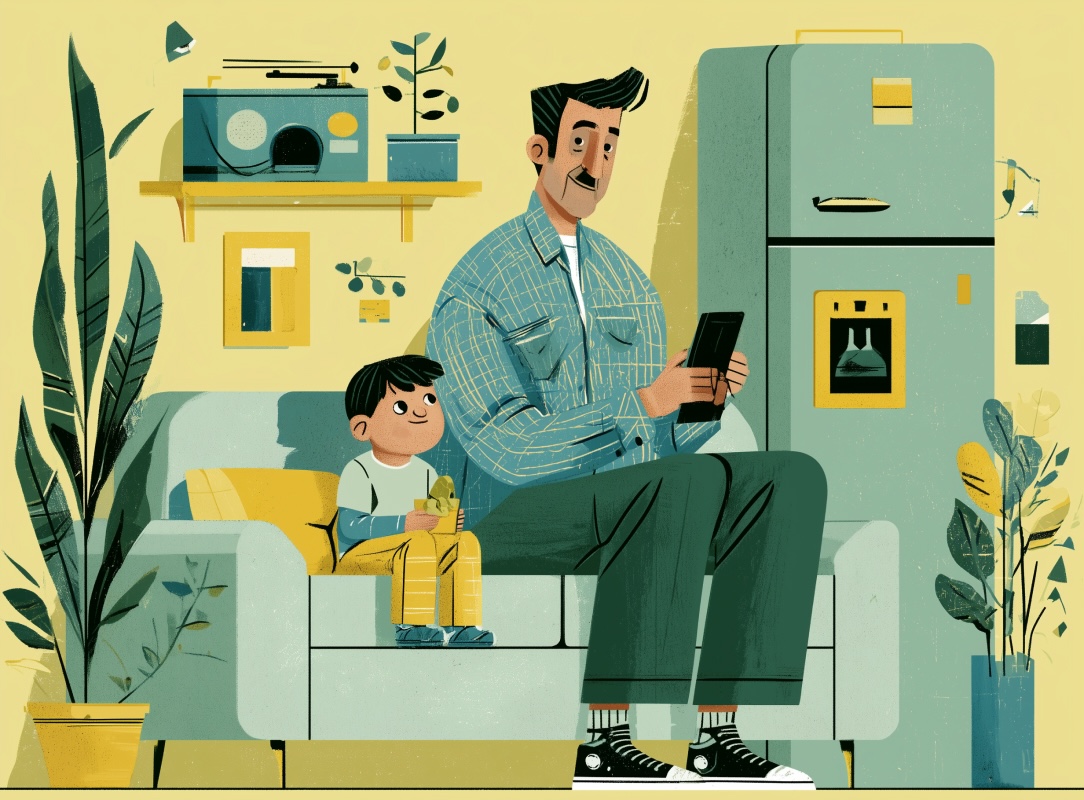
Midjourney
You Should Know: Fatherhood doesn’t just change a man’s schedule — it appears to change his biology. Studies have found that men often experience a drop in testosterone after becoming fathers, a shift that’s sometimes framed as a loss. But researchers increasingly see it as an adaptation. A drop in testosterone, and other hormones like vasopressin, may increase responsiveness to a child’s needs, helping dads invest more time and energy in caregiving.
Going Deeper: The changes go beyond hormones. Brain-imaging studies comparing men before and after they became fathers found structural changes in regions involved in attention, empathy, emotional processing, and social cognition. Researchers think these shifts help fathers become more attuned to their children. Some studies have also linked hands-on caregiving with increases in oxytocin — the so-called “bonding hormone” — suggesting that fatherhood may reshape both the brain and body through experience.
Takeaway: The same biological changes that may leave some new dads feeling tired, more emotional, or simply different could also help them become more patient, nurturing, and connected parents. In other words, fatherhood may “rewire” men in ways that support caregiving.
Bottom Line: For all the talk about boosting testosterone, nature may have its own plan: helping fathers become the kind of humans their children need.