Does Silicone Have Microplastics? What the Research Actually Says

The market sells silicone as “plastic-free,” but here’s the truth on whether or not it has plastics too.
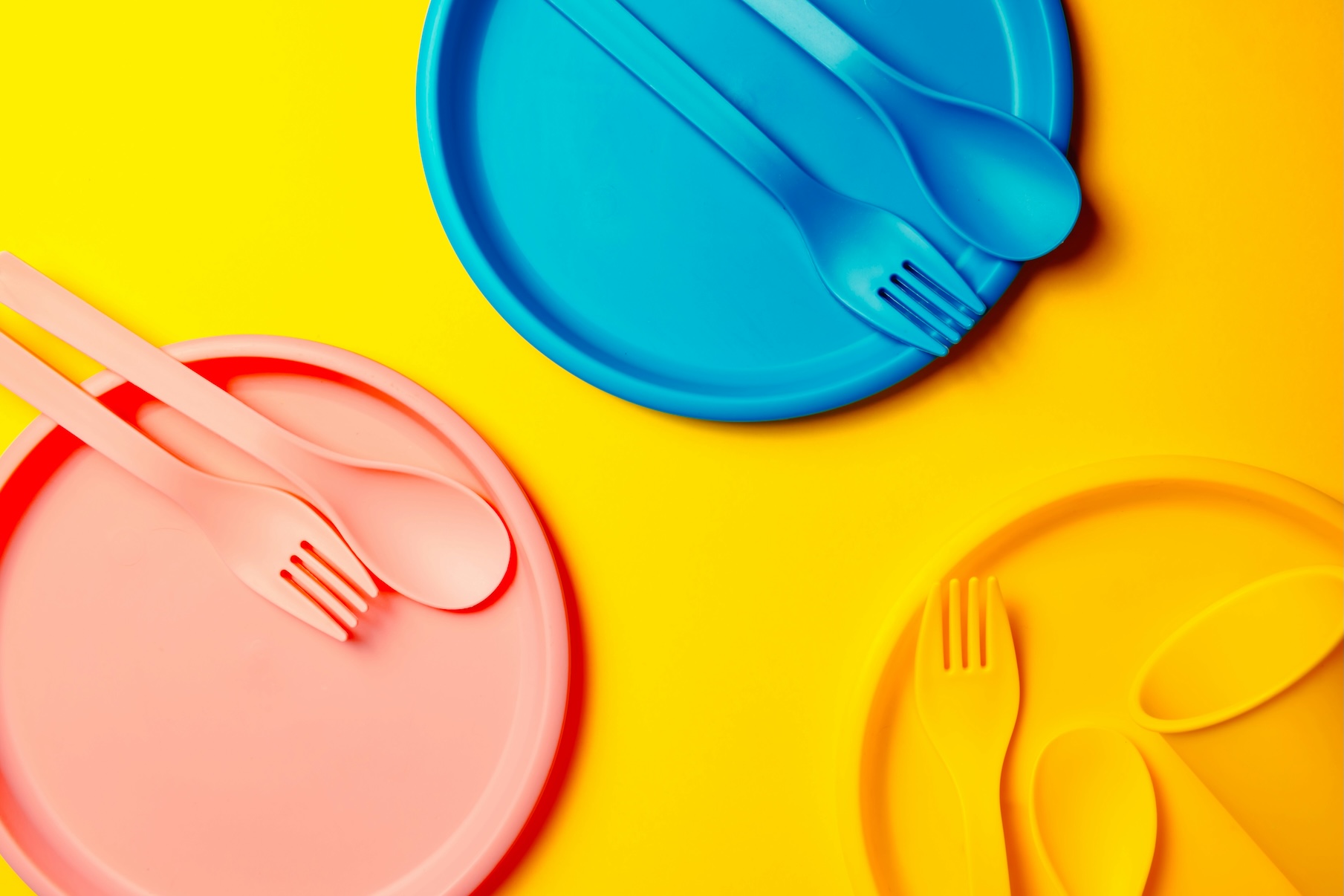
Science and marketing are at odds on silicone. Any product that claims to be “plastic-free” while including silicone is arguably misleading. Silicone is a synthetic polymer found in a wide range of products, including moisturizers, sunscreen, hair shampoos, food containers, food storage bags, tampons, water bottles, cutting boards, kettles, cutlery, the list goes on.
But does silicone have microplastics? To understand how a product with silicone can claim to be “plastic-free,” we have to understand the nuanced differences in the chemical makeup between silicone and its petroleum-based counterparts, and how much of an impact that has on their potential to shed microplastics.
Silicone is just one piece of the microplastics puzzle. Our Microplastics Toolkit maps every major source — food, water, air, and more — with the science-backed swaps that actually cut it down.
What You Should Know About Silicone and Microplastics
Silicone is generally regarded as lower-risk than other plastics. That’s mostly true because silicone is made of silicon-oxygen bonds rather than the carbon-based backbone that petroleum plastics have. Organic groups like methyl, ethyl, and phenyl attach to the silicon-oxygen bonds to make the polymer you’re familiar with.
Petroleum plastics release microplastics when heated, scraped, broken down, or subjected to any other friction. Those carbon-based bonds don’t hold up well to the abrasiveness of your microwave, and the breakdown of that carbon leads to increased toxicity. Read: You definitely don’t want it in your body.
Silicone, on the other hand, was historically considered biochemically inert, meaning that it doesn’t react with body tissue or trigger chemical changes. So even if it were to release microplastics, the idea is that they pose less of a threat to your health because silicone’s chemical composition is less toxic. As a result, products claim to be “plastic-free” even though silicone is a polymer.
Silicone is not inert; however, when subjected to heat, the structure of the silicon-oxygen bonds weakens. That leaves it vulnerable to releasing microplastics under friction.
Going Deeper: What the Research Shows on Silicone
Research does not support the claim that silicone is impervious to releasing microplastics, but the context matters. Silicone is stable yet malleable, so it is safer to use for many product parts than petroleum-based plastic. For example, a silicone seal on your reusable water bottle is safer than a single-use plastic bottle or a cap that can shave microplastics into your beverage.
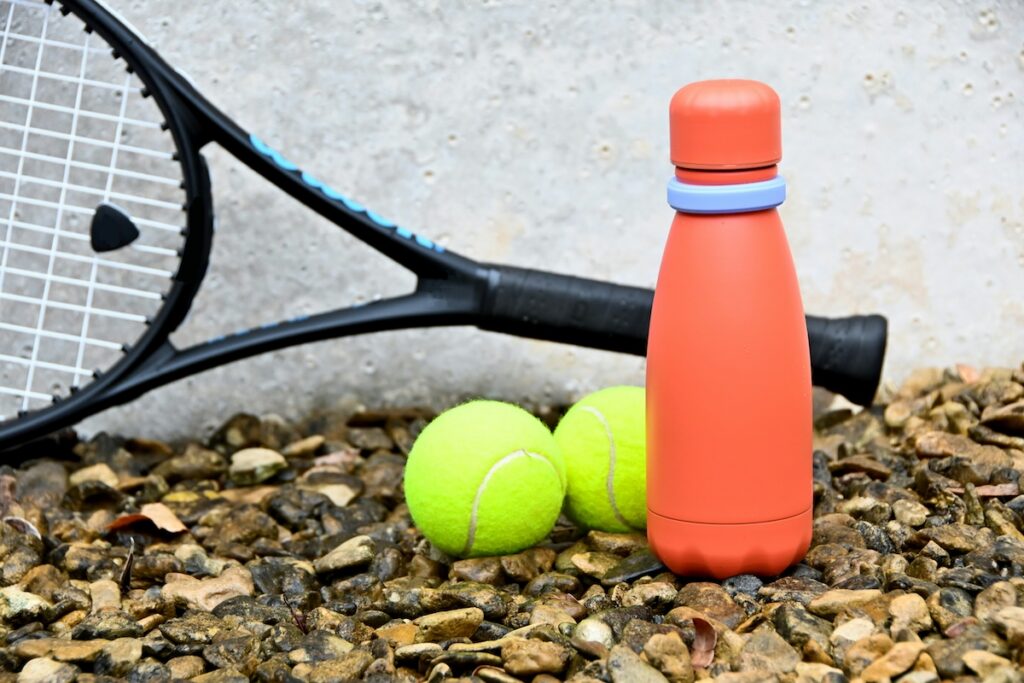
Food-based silicone is broadly considered low-risk and is certainly the better alternative to any single-use plastic. That doesn’t mean silicone isn’t susceptible to bacterial growth or leaching microplastics, especially when heat and friction are involved. So don’t microwave or otherwise heat silicone. And break the habit of leaving your silicone spout water bottle in your car during the summer.
The Takeaway
For food storage, kitchen utensils, cutlery, and any appliance that involves heat, opt for glass or stainless steel. Neither has any plastic that can leach into your food or drink.
If you can avoid single-use plastic altogether, you’ll be better off. Silicone is a good alternative and is pretty safe when used in applications that don’t involve heat or friction (e.g., a seal or gasket).
Bottom Line
Silicone’s chemical makeup is significantly less toxic than petroleum plastic and, therefore, preferable. Both are susceptible to degradation when exposed to heat for long periods, which can release microplastics. But the long-term health effects of the particles silicone can shed still aren’t well studied.
We can’t avoid plastic entirely, but leaning on silicone when glass or stainless steel won’t do the trick is a great start to reducing exposure to microplastics.
Sorted out your silicone and swapped in glass or stainless where it counts? Take it further. Our Microplastics Toolkit gives you a personal exposure audit and a step-by-step action plan to lower your exposure across your whole home.
Experts Who Contributed
- Lauren Keary, NASM-CNC, reviewed this article for accuracy.