Condiments Can Spike Your Blood Sugar — Here Are 7 That Won’t

Not all sauces are created equal.
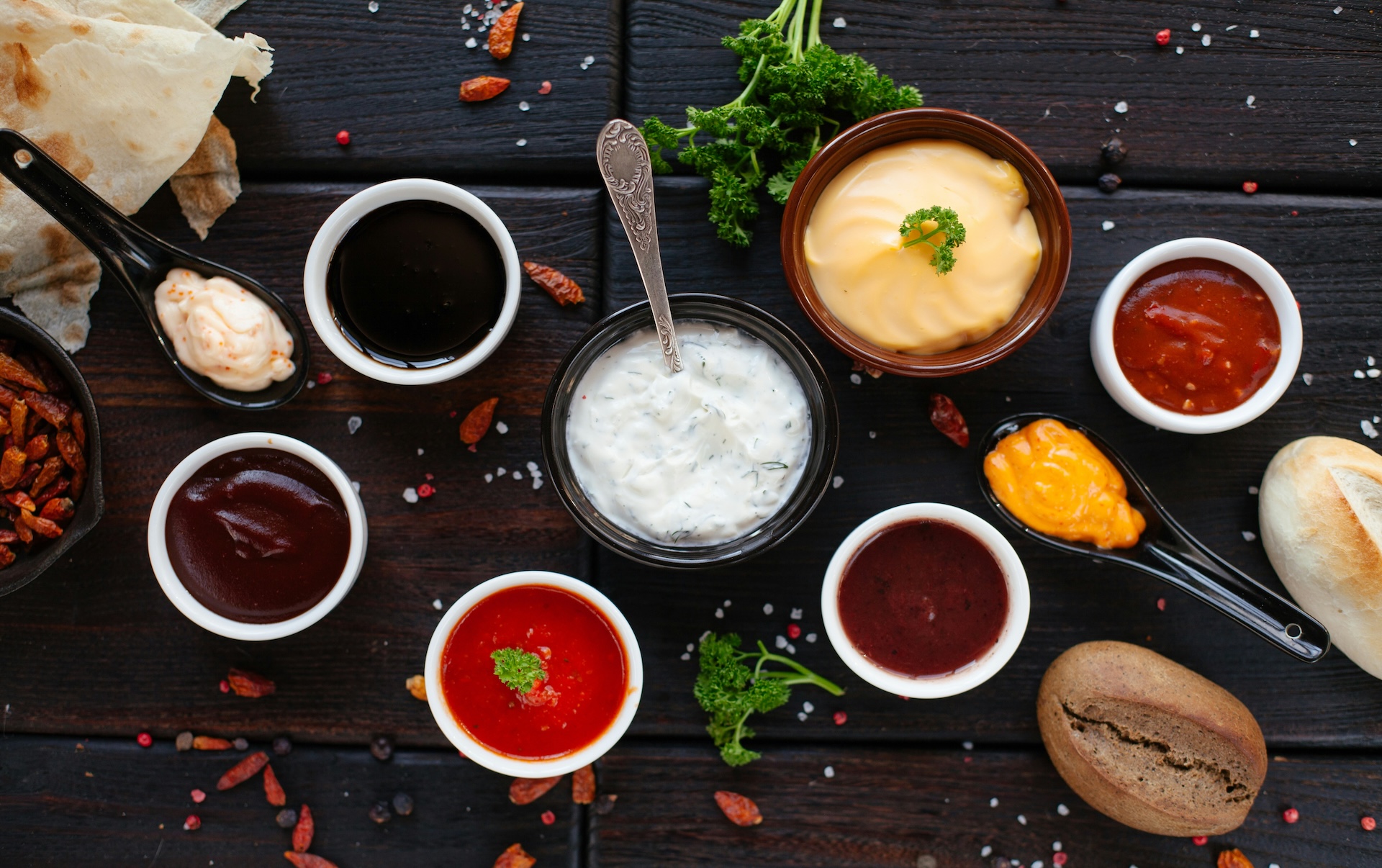
Condiments, like mayo or ketchup, are a key part of flavoring up your favorite burger or BLT. However, your favorite topping or dipping sauce might have some less-than-obvious negative effects on your health. Certain condiments (looking at you, ketchup and barbecue sauce) are high in added sugar. They’re fine in small amounts, but the serving size is often just a teaspoon or two — smaller than most of us actually use — so the sugar adds up faster than you’d think.
Whether you’re diabetic or want to avoid potential health issues that can come with repeated blood sugar spikes, like heart or kidney problems, small swaps can help. These are the condiments that are good for blood sugar, according to nutrition experts.
What You Should Know About Condiments
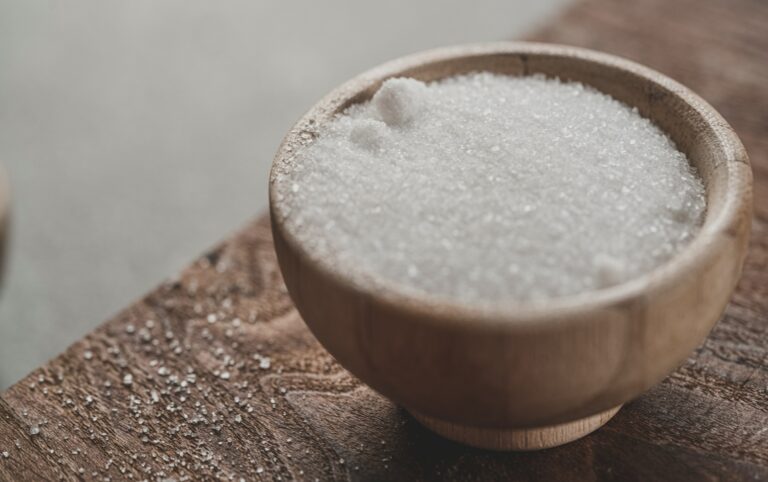
Many popular condiments carry added sugar that can spike blood sugar, and you’re likely getting more than you realize when you’re using your go-to dipping sauce. For example, two tablespoons of one of the top brands of barbecue sauce has the added sugar equivalent of four sugar packets.
Factors of condiment healthfulness include how much you use and, of course, the ingredients on the label. You’ll want to look out for added sugars, which show up as high-fructose corn syrup, brown sugar, molasses, dextrose, fructose, cane syrup, fruit juice concentrate, and invert sugar, among others.
This doesn’t mean you have to avoid them altogether. Low-sugar or sugar-free swaps can keep your blood sugar steady while still adding flavor to your meals.
Going Deeper: 7 Blood-Sugar-Friendly Condiments

- Mustard — A teaspoon of plain yellow mustard runs about 10 calories with zero carbs and zero sugar. Consider swapping honey mustard (which packs roughly 5 grams of sugar per serving) for yellow, Dijon, or spicy brown.
- Kimchi and sauerkraut — These fermented cabbage staples bring two things to the table: fiber and lactic acid bacteria. The fiber slows how fast sugar reaches your bloodstream, so your levels stay steadier, and the bacteria may curb how much glucose you take in while giving your gut a boost. And, fermented foods help increase biodiversity in the gut, which in turn may lower inflammation and reduce the risk for type 2 diabetes.
- Vinegars — For those looking to manage blood sugar spikes without sacrificing flavor, vinegars may be one of the top choices. Whether you opt for apple cider, balsamic, red wine, or rice vinegar, you’ll get a lot of flavor that’s low in carbs and contains no added sugar. Another benefit of this tangy topping: Research suggests apple cider vinegar consumption may improve blood sugar control. And, making homemade vinaigrettes with vinegars can help avoid bottled ones that may contain unnecessary added sugars.
- Marinara — This may surprise you, but marinara is a great condiment for blood sugar, with a host of other health benefits too. Typically, it’s made from tomatoes, olive oil, herbs, and not much else (but check the label to make sure you’re not grabbing a jar with added sugars). It comes in at about 90 calories and 6 grams of carbs per half-cup. Plus, tomatoes are high in lycopene, which can help improve heart health and may support blood sugar control.
- Olive oil — Diets rich in healthy fats, like the Mediterranean diet, are popular for a host of health benefits, including blood sugar control. A star of the show here is olive oil, which is carb- and sugar-free. Olive oil is packed with heart-healthy monounsaturated fats and polyphenols. And, it’s tied to improved insulin sensitivity and reduced A1c levels (a marker of your average blood sugar).
- Hummus — Hummus is another mainstay in the Mediterranean diet. Made with chickpeas, tahini, lemon juice, and olive oil, this dip delivers on both protein and fiber. These two nutrients help support steady blood sugar levels by slowing the digestion of carbs and delaying their release into the bloodstream: key for avoiding an unwanted blood sugar spike. Depending on how it’s made, you’ll get about 9.5 grams of protein and 6.75 grams of fiber per half-cup serving.
- Greek yogurt — If you reach for a cup of yogurt for breakfast, consider swapping it for Greek yogurt. You’ll get about 25 grams of protein per cup, nearly doubling the bang for your buck. It’s important to note that flavored Greek yogurt can contain added sugar, so opt for plain and unsweetened as a base for your dips. To flavor it up on its own, adding berries and honey at home will give you lots of taste without unwanted ingredients. Another benefit of Greek yogurt is it’s packed with probiotics, which can help control blood sugar and support gut health. So, look for the “Live & Active Cultures” seal to ensure you’re getting a product with the most gut support.
The Takeaway
Keeping tabs on the sugar in your condiments doesn’t mean sacrificing flavor. Choosing condiments with five grams or less of carbohydrates is a good measure to keep in mind, and there are plenty of options that don’t go overboard on sugars. Opting for more healthful options like mustard, vinegar, olive oil, and plain Greek yogurt deliver on taste without the side effect of a post-meal blood sugar spike.
Bottom Line
Sugar-free condiments or those with no added sugars add flavor to your favorite meals without spiking blood sugar. Reaching for these healthier options have additional benefits, too. Some toppings and dips supply extra fiber, protein, or beneficial fats. No matter what you choose, remember portion size and label-reading still matter, whether you’re making homemade dressing or you do want that BBQ sauce. Seasoning your food in a way that helps reduce blood sugar spikes is especially important for people with diabetes, prediabetes, insulin resistance, or conditions like PMOS and fatty liver disease.