Biological Age Tests Are Booming. Here’s What They Actually Measure
Your biological age is not deterministic of your future health outcomes.
At-home biological age tests have surged in use over the past few years. In 2025, the global biological age testing market was worth $2 billion and is projected to nearly triple by 2033, according to Data Intelo. The Eudēmonia summit, Nov. 5-8, 2026, in West Palm Beach, FL, is a wellness event that draws thousands of people, including pro athletes, scientists, and prominent wellness influencers.
A big chunk of its 200-plus talks zeroes in on longevity and aging — the Longevity & Aging track alone features Andrew Huberman — and biological-age testing sits right on the expo floor, with exhibitors like GlycanAge. Clearly, there is much attention on how your biological age might differ from your chronological age. If potential disparity between them is enough to warrant buying DNA test kits or tickets to a wellness convention, what do they actually measure?
What You Should Know About Biological Age
Your chronological age is the number of years you’ve lived since birth. If you were born 50 years ago, your chronological age is 50; time is the only factor considered. Your biological age is an estimate of how worn your body is relative to the calendar, based on up to 16 biomarkers, including genetics, lifestyle, and relevant comorbidities.
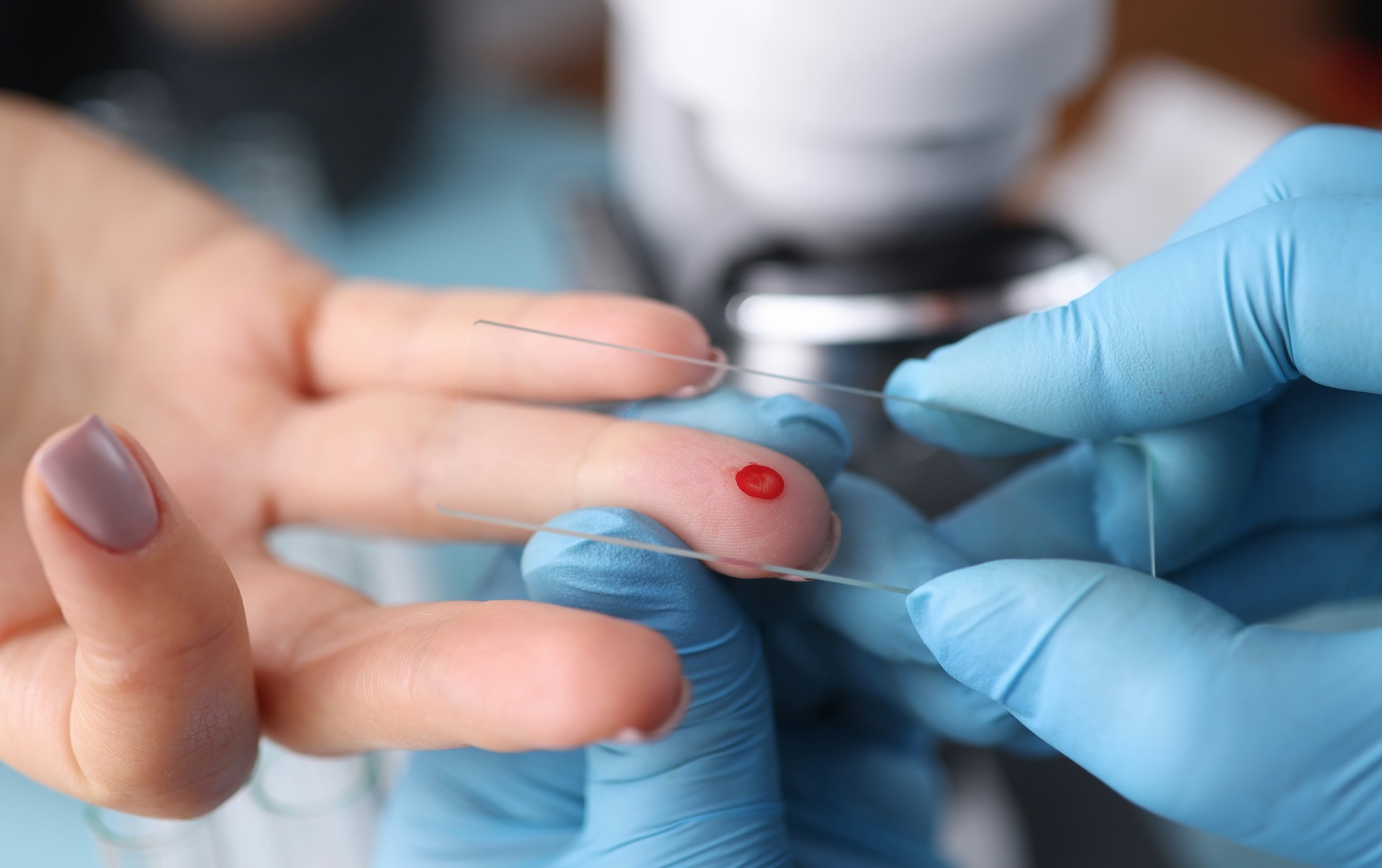
The majority of at-home biological age tests use DNA methylation, which uses epigenetic clocks — models that measure physiological homeostasis and deterioration — to estimate your biological age and offer predictions on future health issues, including cancer, physicality, and lifespan. This is done with a small blood sample from a finger prick or a saliva swab.
Other at-home biological age tests include the Phenotypic Age calculator, which uses chronological age and nine blood-measured biomarkers — albumin, alkaline phosphatase, creatinine, C-reactive protein, glucose, lymphocyte percentage, mean corpuscular volume, red cell distribution width, and white blood cell count — to estimate biological age.
More recent epigenetic clocks incorporate physical fitness into their calculations. They aim to identify potential signs of molecular decline and offer insights into how your lifestyle affects the aging process.
First-generation epigenetic clocks, like Horvath’s and Hannum’s DNAmAge (developed in 2013), predicted chronological age. New models like the aforementioned Levine’s PhenoAge predict phenotypic age — a lower “PhenoAge” suggests you’re biologically younger than your chronological age group, and a higher suggests the opposite — while DNA GrimAge predicts lifespan and DunedinPACE measures your aging pace.
DunedinPACE is the most consistent of these because it distills DNA methylation into a single aging-pace measure using an algorithm that normalizes samples for comparison. That gives it the best test-retest reliability, which makes it the most dependable option for tracking changes over time.
Going Deeper on What the Number Can and Can’t Tell You
The biggest issue with the reliability and accuracy of direct-to-consumer biological age tests is the lack of standardization and clinical validation. Without those, some researchers may reach one conclusion while others disagree based on their own findings, and their results may or may not relate to, or affect, one another.

This is further compounded by the fact that biological age requires several metrics to determine, and if any of those variables are askew at the time of testing, it casts doubt on the results. Additionally, because at-home biological age tests use blood or saliva samples, they reflect the age of your blood cells, not necessarily your organs, which can age at different rates based on your lifestyle.
Beyond testing limitations, the U.S. Food and Drug Administration has not approved any at-home biological age test and therefore does not regulate it for medical diagnosis.
A healthier lifestyle, including consistent exercise and sleep, a balanced diet, not smoking, and limiting alcohol consumption, has been shown to correlate with lower biological age markers, but evidence that those markers affect future health outcomes remains limited.
The Takeaway
If you use an at-home biological age test, consider it an informative panel, not a diagnostic. If you retest, use the same epigenetic clock rather than comparing results from multiple brands. If anything about your test results seems off, consult your clinician.
Bottom Line
A lower biological age might be associated with better health outcomes, but more research is needed to make reliable determinations, and that can’t happen until a standardization is put in place.
At-home biological age tests are research tools being sold as non-FDA-approved consumer products. As such, take their results with caution; don’t put too much weight on any one number from any individual biological age test. If you feel the need to act somehow in response to a biological age test result, be it a lifestyle change or otherwise, consult your clinician before taking any significant actions.