The Healthiest Types of Apples, Ranked by What’s Inside

Here’s what actually sets six grocery-store favorites apart, from polyphenols to what’s in the peel.
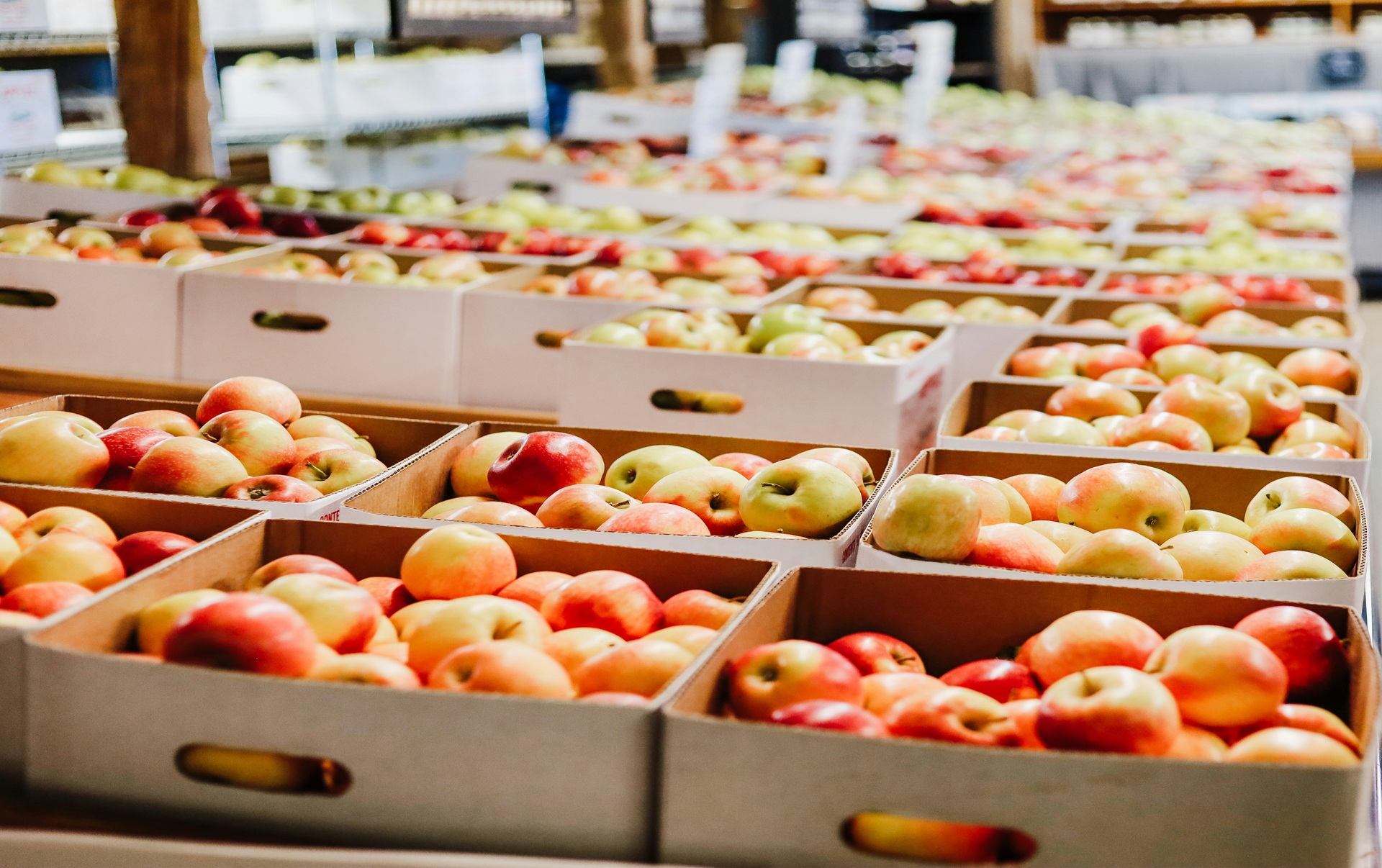
Apples are a handheld nutritional powerhouse that make for an excellent office snack or pre-workout energy boost. What you may not know, though, is that apple varieties can differ quite a bit, from the amount and type of polyphenols — plant compounds with antioxidant and anti-inflammatory properties — to their fiber and sugar content and even the nutrition packed into their peels.
From a calorie and carb perspective, you’re not looking at much variance between, say, a Honeycrisp and a Fuji. However, if you’re a regular apple eater, it may benefit you to be an educated one. The variety you choose can make small but meaningful differences in the nutrients you get, and, as you’ll soon read, it’s not all apples-to-apples.
What You Should Know About Apple Nutrition
“Ranked” is a clicky word, but the reality is that all of the apple varieties below are far more nutritionally similar than they are different. The aspects we focus on — polyphenols, fiber, sugar content, and the skin — represent relatively small distinctions between varieties. Still, those differences exist, and understanding them can make you a more informed apple eater, which surely has some benefit beyond just making you smarter.
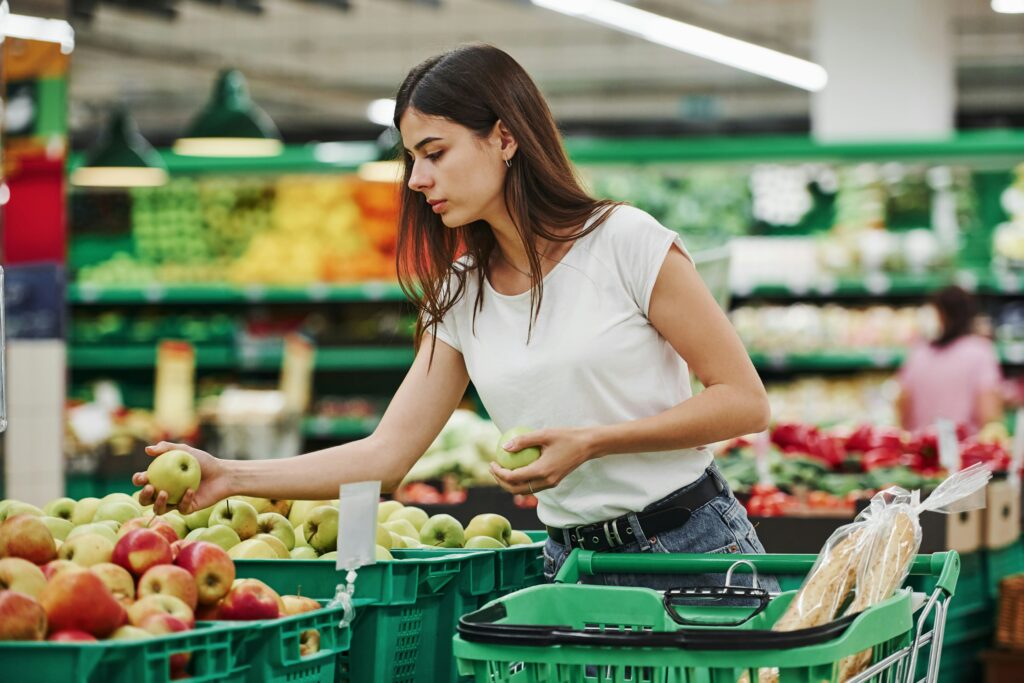
Switching from Fuji to Honeycrisp probably won’t meaningfully affect the big-picture health and fitness goals most people care about. You won’t suddenly lose more weight or get stronger because you chose one apple over another. So think of this ranking more as a breakdown: a way to decipher some of the most popular apple varieties at your local grocery store.
With that, here’s a quick guide to the variables we list below:
- Fiber: Apples provide soluble and insoluble fiber that supports digestion, satiety, and healthy blood sugar regulation, with modest differences between varieties. The National Academies of Sciences, Engineering, and Medicine recommends 38 grams of fiber per day for men aged 50 and younger and 25 grams for women aged 50 and younger.
- Polyphenols: These plant compounds have antioxidant properties, and their type and concentration can vary considerably from one apple variety to another. A 2021 review in the journal Nutrients noted that earlier polyphenol research often failed to account for bioavailability and that many positive associations were observed in generally healthy adults.
- Skin: Much of an apple’s fiber and many of its polyphenols are concentrated in or near the peel, making skin-on apples nutritionally preferable. A 2022 study published in Foods found that more than 40% and 30% of certain polyphenols in Fuji apples were concentrated in the peel, leading the researchers to suggest eating the whole fruit for potentially greater health benefits.
- Sugar: Sugar content varies somewhat by variety, but a sweeter-tasting apple is not always dramatically higher in sugar because acidity also shapes flavor.
Going Deeper: The Varieties
For the numbers here, the calorie, fiber, and sugar figures below are per 100 grams — about two-thirds of a medium apple — so a whole medium apple is higher than these amounts.
Granny Smith
Calories: 59 | Fiber: 2.5 g | Sugar: 10.6 g | Notable Polyphenol: Catechin
Nutrition sources: FoodData Central | Polyphenol study
Granny Smith apples contain notable levels of catechin, a polyphenol also found mostly in tea and cocoa. In one randomized trial, adults with mildly elevated cholesterol ate one Granny Smith apple per day for four months as researchers compared several apple varieties. Granny Smith wasn’t the top performer, but the study showed that whole apples can measurably affect cholesterol markers over time.
Golden Delicious
Calories: 57 | Fiber: 2.4 g | Sugar: 10 g | Notable Polyphenol: Phloridzin
Nutrition sources: MyFoodData | Polyphenol study
Golden Delicious contains phloridzin, an apple-associated polyphenol that the body partially converts to the antioxidant phloretin. Human studies using Golden Delicious found that these metabolites enter the circulation after the fruit is eaten, while trials using concentrated extracts suggest that the compound may blunt the early blood-sugar response to a carbohydrate-heavy meal. Those studies use much higher, more controlled doses than you’d get from one apple, though, so Golden Delicious shouldn’t be treated as a blood-sugar hack.
Gala
Calories: 61 | Fiber: 2.1 g | Sugar: 11.8 g | Notable Polyphenol: Epicatechin
Nutrition sources: FoodData Central | Polyphenol study
Gala contains higher amounts of polyphenols and epicatechin. What’s compelling about this 2021 randomized trial is that it studied the effects of the whole fruit and not a polyphenol extract. Over six weeks, adults with overweight or obesity who ate three Gala apples per day showed reductions in several inflammatory markers compared with controls. That doesn’t prove Gala is uniquely anti-inflammatory, but it does support the idea that regularly eating whole apples may have benefits beyond their fiber content.
Fuji
Calories: 65 | Fiber: 2.1 g | Sugar: 12.6 g | Notable Polyphenol: Epicatechin
Nutrition sources: FoodData Central | Polyphenol study
Fujis were found to have higher levels of the polyphenol epicatechin, traditionally found in cocoa. Those findings depended on a dose of 0.5–2.0 milligrams of epicatechin per kilogram of body weight. Fuji apples contain only about 5.6 milligrams per 100g, so a single apple delivers well under the amounts studied — another reminder that this is a whole-food benefit, not a precise dose.
Red Delicious
Calories: 62 | Fiber: 2 g | Sugar: 12.2 g | Notable Polyphenol: Anthocyanins
Nutrition sources: FoodData Central | Polyphenol study
The sweet taste of a Red Delicious apple isn’t just due to its relatively high sugar content, but the high concentration of anthocyanins, as cited in a 2025 article about this apple variety, published in Discover Food. Anthocyanins contribute to the apple’s red pigment, and, according to this review of existing literature, are associated with antioxidant and anti-inflammatory activity and may support cardiovascular health.
Honeycrisp
Calories: 60 | Fiber: 1.7 g | Sugar: 12.4 g | Notable Polyphenol: Ferulic acid
Nutrition sources: FoodData Central | Polyphenol study
Honeycrisp carries a mix of polyphenols similar to the other varieties here, including ferulic acid. In one randomized, double-blind, placebo-controlled trial, ferulic acid may play a role in lowering cardiovascular disease risk — though it’s worth noting the trial used ferulic acid supplementation rather than apples.
The Takeaway
Fixating on the perfect apple is a futile exercise that distracts from the bigger point: eating more fruit is good for you. The best variety is the one you’ll actually keep eating. Different apples can expose you to slightly different polyphenol profiles, and eating the skin helps you get more of the fruit’s fiber and beneficial plant compounds.
Bottom Line
Calorie for calorie, apples are a good source of fiber, healthy carbohydrates, and cell-protective compounds known as polyphenols. Although there are nutritional differences between varieties, don’t get too hung up on them; they’re relatively small and can distract from the bigger picture. Eating apples of any kind is good for you.
Experts Who Contributed
- Andrew Gutman, NASM-CPT, BRM, wrote this article.
- Lauren Keary, NASM-CNC, reviewed this article for accuracy.