12 Healthy Snacks for Work That Actually Keep You Full

Avoid vending machine woes by preparing office-friendly snacks in advance.
It’s 3:00 in the afternoon, three hours since you last ate, your stomach is grumbling, and you’re cursing past you for packing a salad. It’s snack time. You head to the office vending machine and face what feels like a winless decision: grab the tempting but nutrition-less candy bar or settle for a bag of veggie straws that taste like cardboard seasoned with garlic powder.
But healthy snacks for work don’t have to feel like an inevitable disappointment. Snacks can curb hunger between meals while adding useful nutrients like protein and fiber to your day, and there’s plenty of middle ground between candy and sad diet food. It is 2026, after all. We have foldable smartphones, so surely we have snacking figured out. Below are 12 healthy work snacks that are practical, filling, and actually taste good — even if you’re as picky as a five-year-old.
TL;DR
The best healthy snacks for work combine protein and fiber to deliver steady energy and keep you full. Jerky, nuts, cottage cheese or Greek yogurt, and protein bars are all easy to portion and keep at your desk for the day or the week.
Key Takeaways
- The best healthy snacks for work pair protein and fiber, which keep you fuller longer and pack the most nutrition per calorie.
- Avoid temptation by keeping a few shelf-stable options at your desk, like jerky, protein bars, or dry-roasted edamame.
- Stay on top of your snack regimen by including snacks in your weekly grocery shopping to keep yourself from deviating.
- Pre-portion foods like fruit, peanut butter, and nuts so you’re not tempted to finish it all in one serving.
What Makes a Snack Actually Keep You Full
You need to look for two ingredients when choosing a snack: protein and fiber. Protein is a crucial macronutrient that helps maintain muscle tissue and is often more filling than carbohydrates or fat. And fiber helps by slowing digestion, regulating blood sugar, and supporting the beneficial bacteria that live in your gut.
The exact amount of each nutrient you need depends on your age, sex, body weight, activity level, and goals. For reference, the 2025–2030 Dietary Guidelines for Americans recommend 1.2 to 1.6 grams of protein per kilogram of body weight per day (roughly 0.55 to 0.73 grams per pound), and the National Academies of Sciences, Engineering, and Medicine suggest 38 grams of fiber a day for men 50 and under, and 25 grams for women 50 and under.
Think of snacks as an opportunity to chip away at your daily totals. If you know you need around 100 grams of protein per day, for example, a snack with 15 to 20 grams of protein makes that target easier to reach. The same idea applies to fiber. Pairing foods like fruit, vegetables, whole grains, beans, or nuts with a source of protein can turn a quick bite into something much more satisfying.

The Best Healthy Snacks for Work
These easy snacks for work are grouped by what you’re craving — savory, sweet, or crunchy — each with a quick protein or fiber note.
Savory Snacks
- Beef or Turkey Jerky: Jerky and meat sticks are among the easiest high-protein snacks to keep at your desk, with most servings providing about 8-12 grams of protein. Look for options with moderate sodium if you eat them often, and note that turkey jerky generally has less fat and fewer calories.
- High-Protein Ranch + Veggies: A ¼-cup serving of Greek yogurt-based ranch provides roughly 7 grams of protein, while crunchy vegetables — cucumbers, carrots, and bell peppers — add fiber and volume.
- Cheese Stick + Whole-Grain Crackers: A cheese stick typically provides about 6-8 grams of protein, while whole-grain crackers add a few grams of fiber and enough carbohydrate to make the snack feel heartier.
- Cottage Cheese + Everything Seasoning: A ½-cup serving of cottage cheese packs roughly 12-14 grams of protein for 90 calories, making it one of the more filling fridge-friendly options. Everything seasoning adds flavor without any prep.
Sweet Snacks
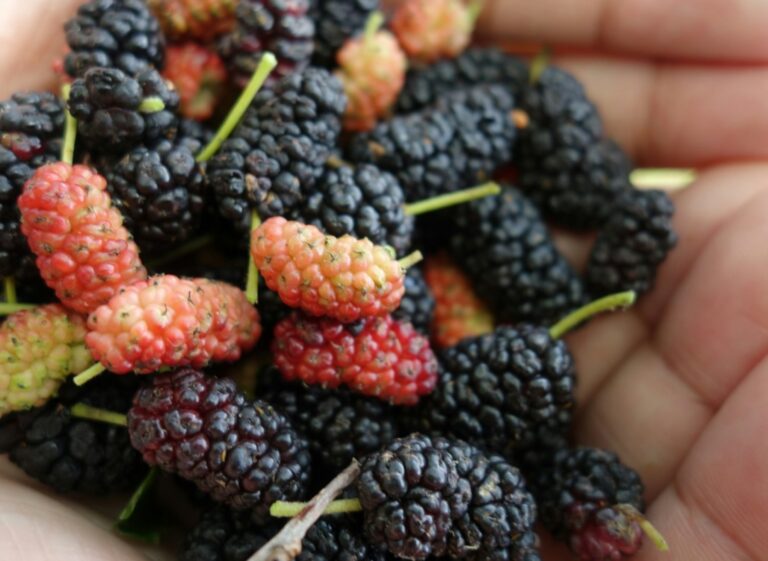
- Greek Yogurt + Berries: A ¾-cup serving of plain low-fat Greek yogurt can provide around 15-18 grams of protein, while berries add roughly 3-4 grams of fiber per cup and natural sweetness.
- Apple + Peanut Butter: A medium apple provides about 4 grams of fiber, while 2 tablespoons of peanut butter add roughly 7 grams of protein. It’s a sweet-and-savory pairing that’s portable and simple to fix up at your desk.
- Dark Chocolate + Almonds: Pairing a small piece of dark chocolate with an ounce of almonds gives you roughly 6 grams of protein and 3-4 grams of fiber. This is a more calorie-dense snack than some options here, so portioning it ahead of time helps — or reach for a high-volume, low-calorie pick when you want more food for fewer calories.
- Protein Bar or Protein Pastry: Look for a bar that provides at least 20 grams of protein; fiber content varies widely by brand, so be sure to check the label.
Crunchy Snacks
- Dry-Roasted Edamame: A ⅓-cup serving typically provides about 13-14 grams of protein and 5-6 grams of fiber, making it one of the strongest shelf-stable options on this list.
- Roasted Chickpeas: A ½-cup serving provides 7-8 grams of protein and 6 grams of fiber. They’re easy to portion into small containers or baggies and keep at your desk for several days.
- Protein Chips: Depending on the brand, a single serving can provide roughly 10 to 20 grams of protein for around 100 to 150 calories. They’re not particularly high in fiber, but they are a convenient swap when you want something more nutritious than standard potato chips.
- Whole-Grain Crackers + Nut Butter: Whole-grain crackers add fiber and carbohydrates, while a single-serve nut butter packet provides about 6-8 grams of protein. This is the most calorically dense snack on the list, but it also packs flavor and is a good option for folks who want to gain or maintain weight.
How to Snack Smarter at Your Desk
The best healthy office snacks are the ones you’ve set yourself up to grab without thinking. A few habits make healthy desk snacks your default instead of the vending machine:
- Plan Snacks Into Your Weekly Shopping: If you let your snacks become an afterthought, then you’re vulnerable to making impulsive and potentially unhealthy decisions, which everyone is prone to do when they’re shopping hungry. Make a grocery list and factor your snacks into your weekly shopping.
- Keep Snacks at Work: Shelf-stable snacks like protein chips and jerky can be stored in your desk drawer. Buy them in bulk to save money and portion them out ahead of time, so you’re not tempted to eat an entire bag ahead of time.
- Pair Protein With Carbs: This isn’t a golden rule, but typically fiber comes from whole grains, veggies, and fruit. Animal-based products like dairy and jerky provide the protein. Eating one with the other ensures you’re giving your body both of these satiating nutrients in one go.
- Drink Water Before You Snack: Sometimes when you feel hungry, your body is thirsty. Keep a bottle of water at your desk and sip it regularly throughout the day. The Mayo Clinic suggests between 11.5 and 15.5 cups (or 92-124 ounces) of water for adults. If your stomach is still rumbling after a water break, then go ahead and eat.

Frequently Asked Questions
Choose foods that are high in protein and fiber to help you stay fuller for longer. String cheese with whole-grain crackers, berries with Greek yogurt, dry-roasted edamame, and apples with peanut butter are just a few examples of satisfying options that are easy to eat at work.
Meat-based jerky, string cheese, cottage cheese, and Greek yogurt are going to pack the most amount of protein per serving. Pair them with fibrous foods, and you’ll have a filling snack. Just be aware that many dairy products need to be refrigerated, so make sure your office has a fridge.
Jerky, seeds and nuts, protein bars, and protein chips are all shelf-stable options. Certain vegetables, like apples and carrots, can last the day without refrigeration, but we don’t recommend leaving them at work overnight.
Bringing your own snacks to the office will help you avoid a visit to your local vending machine or deli. Factor your snacking into your weekly grocery run so you always have something on hand — you’ll save money and be fuller at work.
Bottom Line on Healthy Work Snacks
A little prep beats relying on willpower at 3 p.m. Portion your snacks ahead of time and bring a few options to work so you’re not stuck choosing between whatever’s in the vending machine or break room. Foods with protein and fiber tend to be more filling, but the best snack is ultimately one you enjoy enough to keep around and eat consistently. For more ideas beyond the office, check out our guide to high-protein, high-fiber foods that keep you full.
Experts Who Contributed
- Andrew Gutman, NASM-CPT, BRM, wrote this article.
- Lauren Keary, NASM-CNC, reviewed this article for accuracy.