7 High-Protein Breakfasts to Keep You Full That Aren’t Eggs

By swapping out eggs, you’ll get a whole host of other nutrients with these high-protein breakfasts.
Many say breakfast is the most important meal of the day. That’s because it can help fuel you for the day ahead. Eggs are a great way to start the morning — two eggs pack about 12.4 grams of protein. They’re also a complete source of protein, meaning they contain all nine essential amino acids your body needs. And even though they’re easy to prep and versatile (scrambled, poached, hard-boiled, the list goes on), eating the same thing day in and day out can get to be a drag. These high-protein breakfasts that aren’t eggs will keep you full and support your goals.
What You Should Know
You’re not stuck to cracking and scrambling for a morning dose of protein. There are plenty of non-egg breakfasts that provide similar protein and add variety and nutrients eggs don’t, like fiber and probiotics.
Going Deeper: 7 High-Protein, Egg-Free Breakfasts
These are some high-protein breakfast swaps that you can add to your morning routine.

- Greek yogurt — A ¾ cup serving of plain, non-fat Greek yogurt contains about 17 g protein, plus calcium, B12, selenium, and probiotics from live cultures. It’s a versatile breakfast staple you can top with fresh fruit and seeds to get some added fiber or blend into smoothies for a nutritious boost.
- Chia pudding — Research shows the high fiber content in chia seeds helps increase feelings of fullness and supports digestion. A one ounce serving of chia seeds contains 4.7 g of protein and nearly 10 g of fiber. Each serving also contains essential nutrients including calcium, iron, magnesium, manganese, and selenium. Prep chia pudding ahead of time with milk, chia, and a touch of sweetener. You can also add berries for antioxidants and nuts for healthy fats.
- Tofu — Take a cue from those who follow a plant-based diet: Tofu is packed with nutrients and can be flavored up however you like it. You’ll get nearly 22 g of protein per half-cup serving. Plus, it’s low in carbs and provides calcium, selenium, zinc, and iron.
- Smoothies — Smoothies make a great high-protein breakfast, especially on-the-go. You can customize them for your dietary needs. Built with whey protein or Greek yogurt, they can pack 35 grams or more of protein per serving. Blend them with frozen fruit and add-ins like spinach, dates, or oats, and you’ll also get fiber and other important nutrients.
- Cottage cheese — Cottage cheese is an underrated breakfast option. It’s a great source of both calcium and protein, providing a whopping 23 g of protein per cup, plus bone-supporting calcium (250 mg) and phosphorus (339 mg). Like Greek yogurt, you can satisfy a sweet tooth by topping it with fruit and honey, and you can also make it savory by seasoning with salt and pepper and adding veggies like cucumber and tomato.
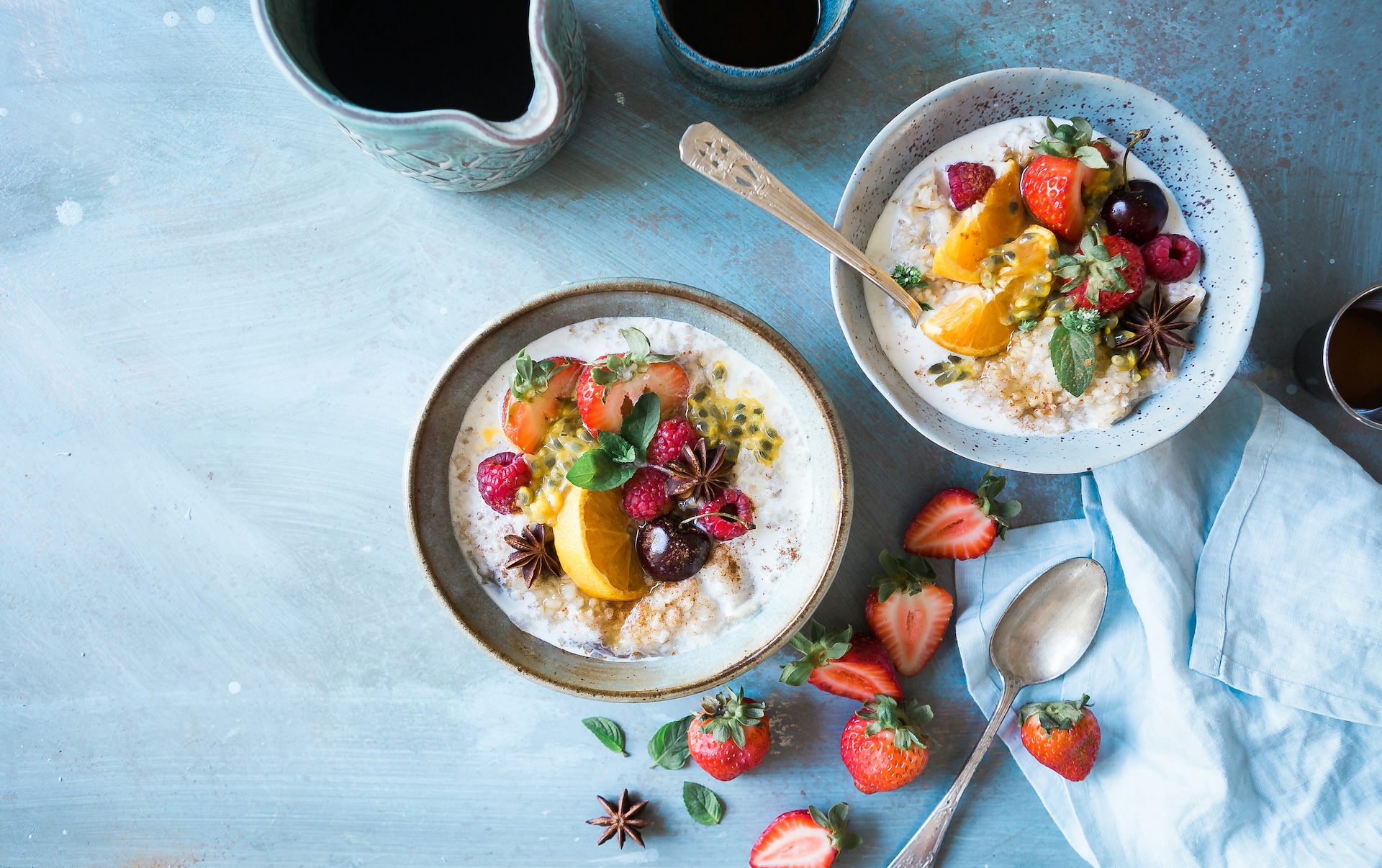
- Oatmeal — Though oatmeal is not high protein by itself, it makes a great base and naturally provides beta-glucan, a fiber that supports heart health. Pair your oats with Greek yogurt, nut butter, or protein powder to increase your breakfast’s protein content.
- Beans and lentils — While beans and lentils may not be the first thing you imagine as an egg substitute, they’re a great option to keep you feeling full and provide tons of nutrients. Nutrients will vary depending on what you use in your breakfast scramble, for example, a cup of lentils has about 17.9 g of protein and 15.6 g of fiber, plus folate, magnesium, and zinc. Try a veggie hash or mashed on toast.
The Takeaway
Packing in protein at breakfast will help keep you fuller longer, but it doesn’t require scrambling eggs or drinking a boring protein shake. You can add yogurt, cottage cheese, tofu, and beans to your rotation, and as a bonus they’ll also deliver other nutrients, including fiber and probiotics. All these swaps can be prepped ahead or whipped up quickly in the morning before you’re on the go.
Bottom Line
While eggs are a good source of protein, they lack nutrients other breakfast foods, like cottage cheese, or beans and lentils can provide. These swaps are great options to keep your morning routine fresh and full of health benefits. Eating a daily breakfast you enjoy is an easy way to fuel your morning and help keep your blood sugar steadier through the day.
Experts Who Contributed
- Lauren Keary, NASM-CNC, reviewed this article for accuracy.