Are Seed Oils As Bad As Everyone Says?


Getty/Unsplash
You Should Know: It’s hard to think of a more contentious food fight than the one waging about seed oils. Largely fueled by social media wellness influencers, the years-long vilification of seed oils hasn’t let up. This camp thinks seed oils — canola, corn, safflower, and others — are health hazards that should be nixed from your diet. But many experts say they aren’t as unhealthy as they’re portrayed and, in fact, may be good for you.
Going Deeper: Seed oils are often used (and reused) in industrial food processing and restaurant fryers. Critics say when these oils are extracted or reach high heat, they start to break down into toxic byproducts. Seed oils also contain omega-6 fatty acids. The claim is that the processing and the omega-6’s cause inflammation and other health problems. Research hasn’t supported the link between inflammation and omega-6’s. Also, seed oils are polyunsaturated fats. The medical community says they’re healthier than saturated fats, like butter or trendy beef tallow. Unsaturated fats lower “bad” LDL cholesterol, but saturated fats can increase it.
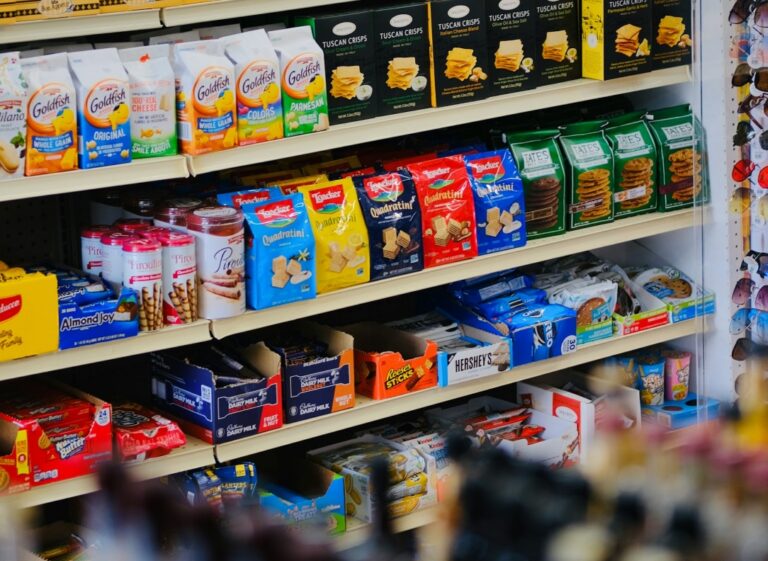
Takeaway: The increased use of seed oils correlates with increased rates of obesity and chronic disease — but what’s also grown is our consumption of ultra-processed foods. Besides seed oils, these foods typically contain added sugar or artificial sweeteners, preservatives, and other additives, but few nutrients. That’s why diets high in ultra-processed foods are already associated with various health problems.
Bottom Line: Cutting back on fried and ultra-processed foods will decrease your intake of many not-great ingredients. Sautéing veggies or lean protein in a little canola oil at home? Not a problem.