Why Talking About Trauma Doesn’t Always Help — and What Brain Scans Reveal

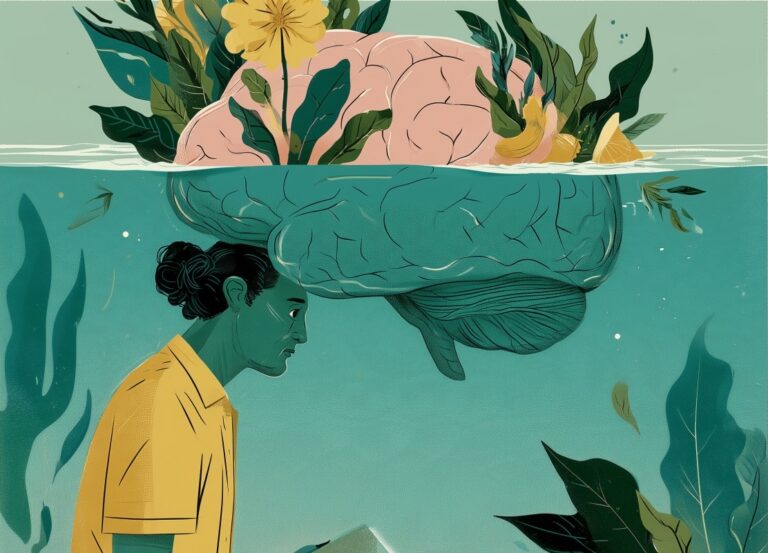
Trauma can affect how your brain transfers information.
More people than ever are prioritizing their mental health, and for good reason. An estimated 6.8% of adults in the US will experience posttraumatic stress disorder (PTSD) in their lifetime, which can impair cognition and mood and raise the risk of other psychiatric illness.
Therapy is an effective initial treatment for PTSD. Identifying which of the over two dozen types of therapy will work best, however, is a challenge. Talk therapy is one of those types that have consistently proven effective; the empathetic bond developed through conversations about one’s trauma with a mental health professional is a reliable indicator of improved quality of life. It isn’t cut and dry, though. New brain scan research suggests that talk therapy is not necessarily a universal answer for those struggling with PTSD.
What You Should Know
Trauma is common and indiscriminate. More than 70% of people worldwide will experience a traumatic event in their lifetime, according to WHO survey data. For some, the fallout lingers for a year or more.
PTSD develops when those symptoms include intrusive memories that re-experience the trauma, avoidance of trauma reminders, poor cognition, mood, arousal, and reactivity. Shame and guilt are often prevalent post-trauma, as are depression, anxiety, substance abuse, and an increased risk of self-harm.
Talk therapies are effective at helping those who suffer from PTSD reframe those negative feelings so that they are less disruptive. For example, cognitive processing therapy leads to strong, lasting symptom improvement — in one meta-analysis, the average person who received it fared better than nearly 90% of those given no active treatment — and equips people with skills to cope with distressing thoughts.
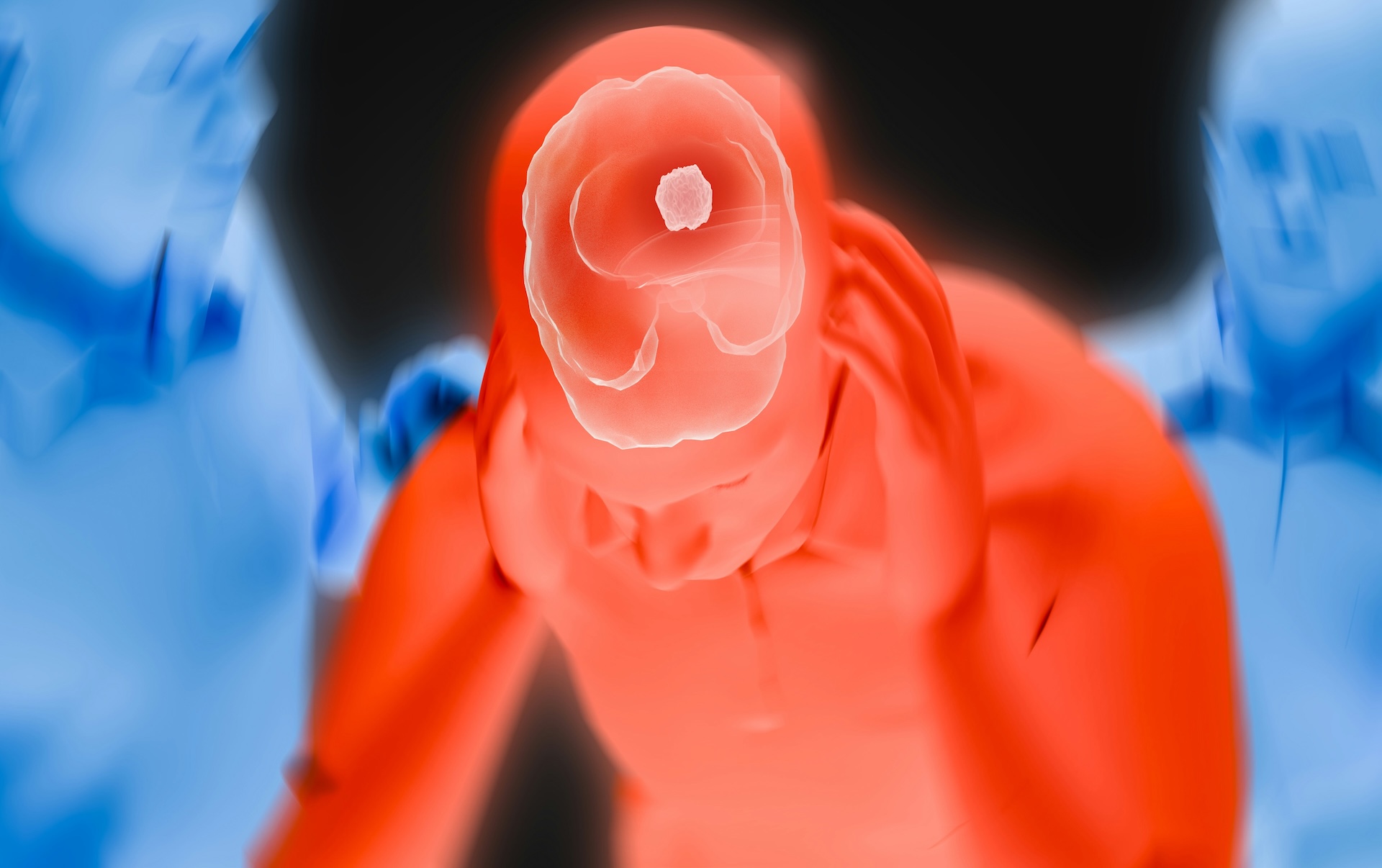
The outliers who don’t benefit from talk therapies might be due to the findings in Nature Mental Health from James Agathos, Trevor Steward, and colleagues: PTSD might have restructured their brains. Researchers scanned 136 participants, half of whom had PTSD, and found that they had weaker mediodorsal thalamus activity than their trauma-exposed counterparts without a PTSD diagnosis.
The mediodorsal thalamus is a brain region that connects to the prefrontal cortex and is involved in organizing thoughts, processing memories, and adapting to uncertainty. An impaired or damaged mediodorsal thalamus is associated with amnesia. That weakened connection can make it more challenging for beliefs to shift — those skills that talk therapy equips people with become less effective if the brain can’t actually utilize them.
Going Deeper: What the Research Found
The study challenged the negative self-beliefs of 136 participants — 70 with PTSD, 66 trauma-exposed — while they were in an MRI brain scanner. Those with PTSD showed worse activity regulation of the mediodorsal thalamus by the prefrontal cortex.
The prefrontal cortex and the mediodorsal thalamus need to work in tandem to effectively comprehend abstract concepts such as self-belief, guilt, and shame, and to adapt them to the new, more positive associations that talk therapies aim to instill.
Those with PTSD are likely to feel intrinsically worthless, defeated, or to have a sense of perceived failure as a direct result of their trauma. If the weakened connection between the mediodorsal thalamus and prefrontal cortex confuses the intended positive adaptations from talk therapy, it can feel as though the negative feelings therapy attempts to combat are fixed. More plainly, someone with PTSD can know they are not at fault but still feel like they are.

“I’ve cared for many patients living with the effects of trauma, and one thing I’ve learned is that recovery is rarely one-size-fits-all. This research is a helpful reminder that trauma can affect not only emotions, but also the brain networks involved in processing memories, beliefs, and new information. For some people, finding the right support may mean trying different evidence-based approaches rather than relying on a single type of therapy.”
The weakened activity in the brain is identifiable, so can it be remedied? The solution may be in therapy before therapy. If someone with PTSD can build a skill set for emotional regulation, then perhaps from there, talk therapies might be effective; strengthen the weakened brain connection first, then build the new, positive associations.
While research is being conducted regarding application safety, there is evidence that suggests directly influencing the brain connection through the use of professionally supervised methylenedioxymethamphetamine (i.e., ecstasy) or ketamine-assisted psychotherapy could be effective.
Certain factors also make standard talk therapy less likely to help. People with the most severe symptoms, those exposed to ongoing or childhood trauma, and those also managing depression or a substance use disorder tend to see less improvement, as do people with less social support to lean on.
Another potential conflict for the effectiveness of talk therapy is a lifestyle or job that poses a higher risk of retriggering trauma, such as for first responders or high-stress medical professionals. Previous trauma can heighten the impact of new trauma, and the persistent trauma exposure can mitigate the effectiveness of talk therapies. Culture and format matter, too. For some people — particularly survivors of interpersonal trauma like abuse — culturally adapted or group-based therapy can fit better than the standard one-on-one model.
The Takeaway
If a form of talk therapy has proven unhelpful, it is not a shortcoming of the patient, but more likely an indication of a rewiring of their brain caused by their trauma. Other evidence-based therapies exist to address that issue.
Those who struggle with mental health issues can likely find the solution that works for them by finding the medical professional and type of therapy that fits their needs.
Bottom Line
Talk therapy helps an overwhelming majority of those who suffer from PTSD. We are learning the reasons why it may have been insufficient for the remaining minority — weakened brain connections caused by trauma, making it more difficult to process abstract concepts that talk therapy uses as primary tools.
While some research remains preliminary, whether due to smaller sample sizes or safety applications, the future is positive. If you or someone you know is struggling with trauma, reaching out to a mental health professional is a meaningful first step. In the US, the 988 Suicide & Crisis Lifeline (call or text 988) is available around the clock.
Experts Who Contributed
- Jenna Congdon, BSN RN, contributed expertise and medically reviewed this article to check for accuracy.