Is TherapyTok Doing More Harm Than Good?

Midjourney
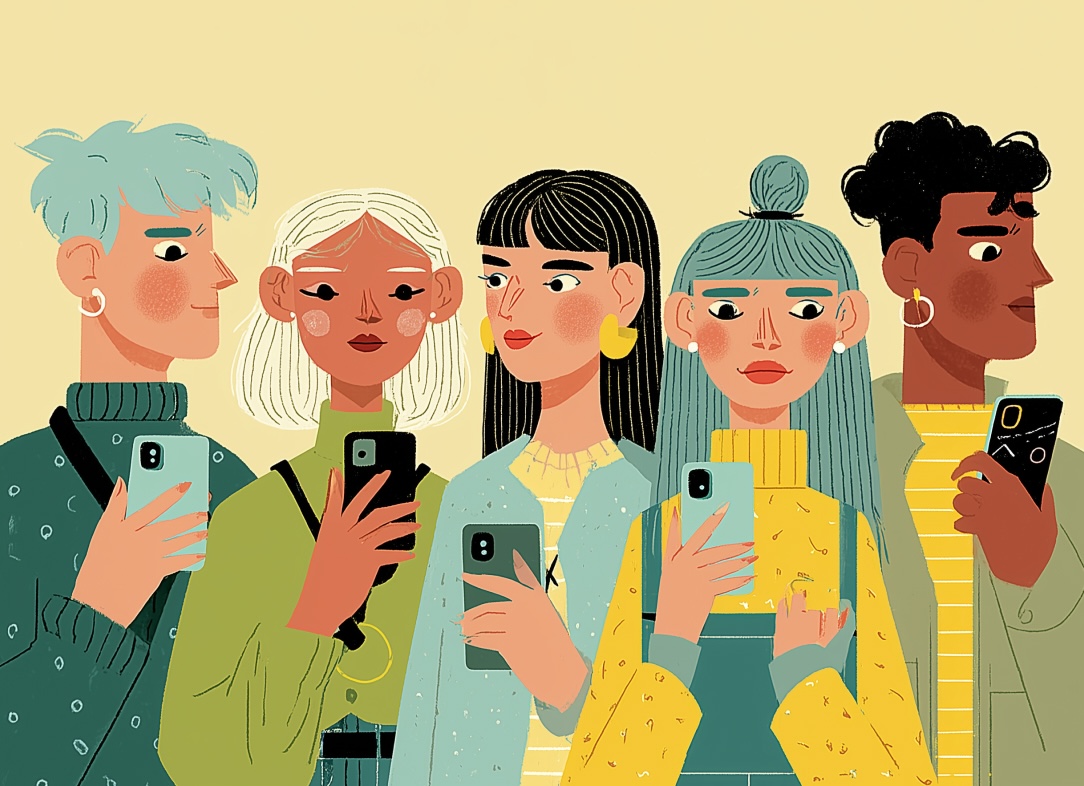
The Trend: Young people are looking to TikTok for mental health tips via self-help and influencer videos called “TherapyTok.” About 55% of Gen Z says they’ve looked for mental health advice on social media, and half have self-diagnosed based on what they’ve heard (ADHD, autism, anxiety, and trauma are some of the most talked-about topics). The argument for TherapyTok is that therapy is expensive and waitlisted, but social media resources — mainly TikTok — are free and available 24/7.
What People Are Saying: Fans say the TikTok content reduces the stigma around mental health-related issues and makes seemingly helpful advice more accessible to the public. But a 2025 Guardian-reported study found more than half of the top 100 mental health TikToks contained misinformation. Other research found ADHD misinformation in 52% of related videos, with influencers posting inaccurate content to sell products or coach even without a clinical license.
What to Know: Self-diagnosis based on a 60-second clip can steer people away from the conditions they actually have, and make them think they have ones they really don’t. TikTok is an approachable starting point for mental health information, but clinical evaluation should still be the next step for actual diagnosis or treatment.