The 8 Worst Foods for Gut Health & What the Science Says

Good digestive health starts in the gut. Here’s what you need to avoid to keep things running smoothly.
Gut health is all the rage right now, and for good reason: Neglecting your gut microbiome can wreak havoc on your health. Studies show poor gut health can contribute to chronic inflammation, metabolic issues, and gastrointestinal diseases.
Here’s the good news: You don’t need to banish every food you enjoy from your diet to preserve gut health. That said, some of the worst foods for gut health should be kept to a minimum. Here are a few of the biggest offenders.
TL;DR
The worst foods for gut health are high in processing and low in crucial nutrients like fiber. That goes for most things you’re handed through a drive-thru window or pick out of the frozen food aisle. Limiting added sugars, refined carbs, processed meats, and alcohol can make a world of difference.
Key Takeaways
- The worst foods for gut health are ultra-processed and low in fiber.
- Added sugars and refined carbs double down on gut disruption.
- Consistently eating gut-unfriendly foods can irritate your stomach lining over time.
- Moderation matters more than banning foods from your diet altogether.
The Worst Foods for Your Gut, Ranked
Gut health is an integral part of whole-body holistic wellness. That said, your stomach is quite resilient. In most cases, you don’t need to completely remove any single food from your diet to maintain good gut health.
Your gut microbiome can endure a cheat meal here and there. What it cannot stomach (pardon the pun) is disruptive eating patterns or too many “bad” foods at once. Here are some of the worst foods for gut health — if too many are mainstays in your diet, it’s time for a change.
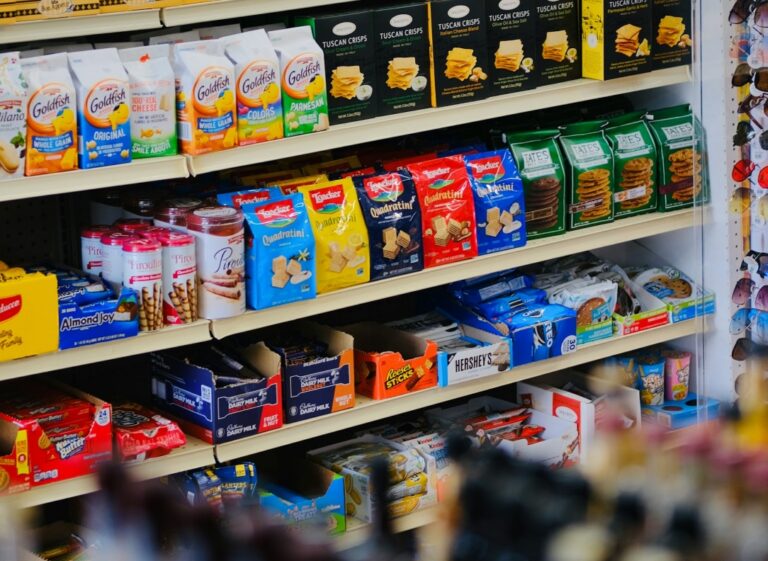
- Ultra-processed foods: This is a broad umbrella. Even scientific research struggles to tightly classify what “ultra-processed” means, but practically speaking, we all know; Pre-packaged, pre-prepared, or frozen foods fall into this camp. Studies consistently show that this type of food disrupts the gut microbiome, leading to downstream health consequences.
- Added sugars: Added sugars refer to sugar content not naturally found in the food (candy, cookies, etc. are a good example of this, though the list is much broader than just sweets). Diets laden with added-sugar foods may disrupt the proliferation of valuable gut bacteria.
- Refined carbohydrates: These are your white breads and pastries. The grain refining process strips away the bran and germ of the carbohydrate, which houses its fiber content. These foods aren’t always directly harmful, they simply lack the micronutrient content that helps your gut microbiome thrive.
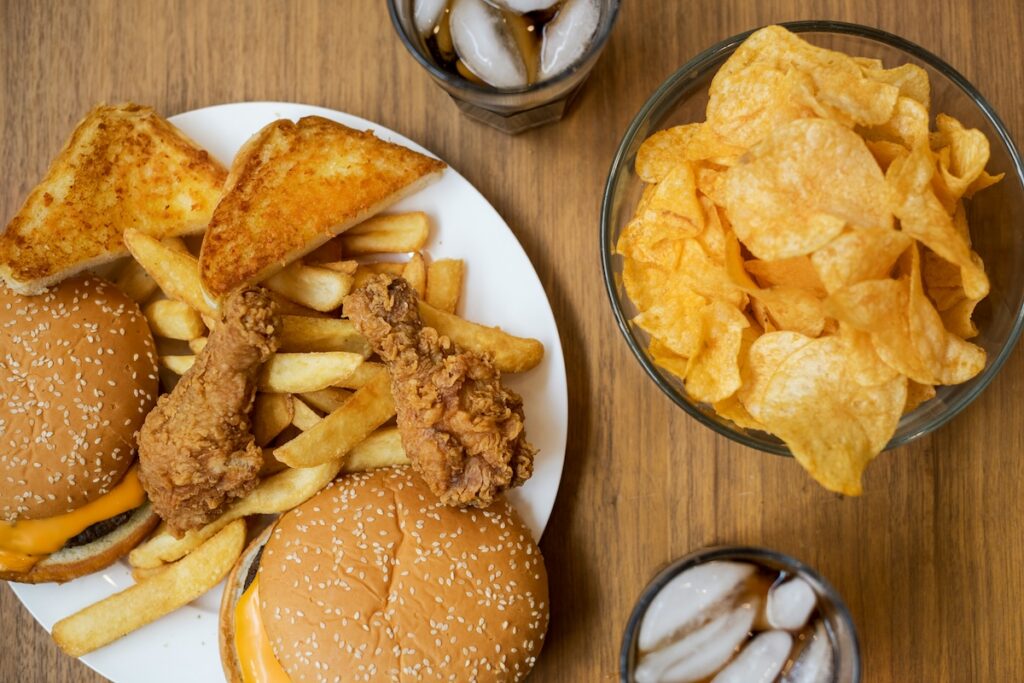
- Fried foods: Frying increases the dietary fat content of the food. This isn’t strictly harmful on its own, but too much fried food and too little fiber is no recipe for a healthy gut.
- Processed meats: Meats treated with extra sodium and preservatives may harm your gut microbiome (think deli meats, bacon, sausage, etc.). Crucially, some studies draw a distinction between processed meats and other animal products, like dairy — milk, yogurt, and cheese.
- Alcohol: Heavy alcohol use has steady clinical backing as being harmful for gut health. Excessive drinking damages the intestinal lining and increases gut permeability.
- Artificial sweeteners: Synthetic sugars may play a role in gut microbiome health, but science is still investigating the extent of potential harm. Some researchers have characterized the impact as “highly individualized and dose-dependent.”
- Fast food: Fast food is something of a perfect storm of gut-unfriendly factors. The cooking conditions necessitate the use of preservatives, many foods are deep-fried or bathed in sugar, and the portions are often extravagant.
How to Eat for a Healthier Gut Instead
Improving your gut health goes beyond simply avoiding the worst foods. You can take proactive action by making simple, practical changes to how you eat.
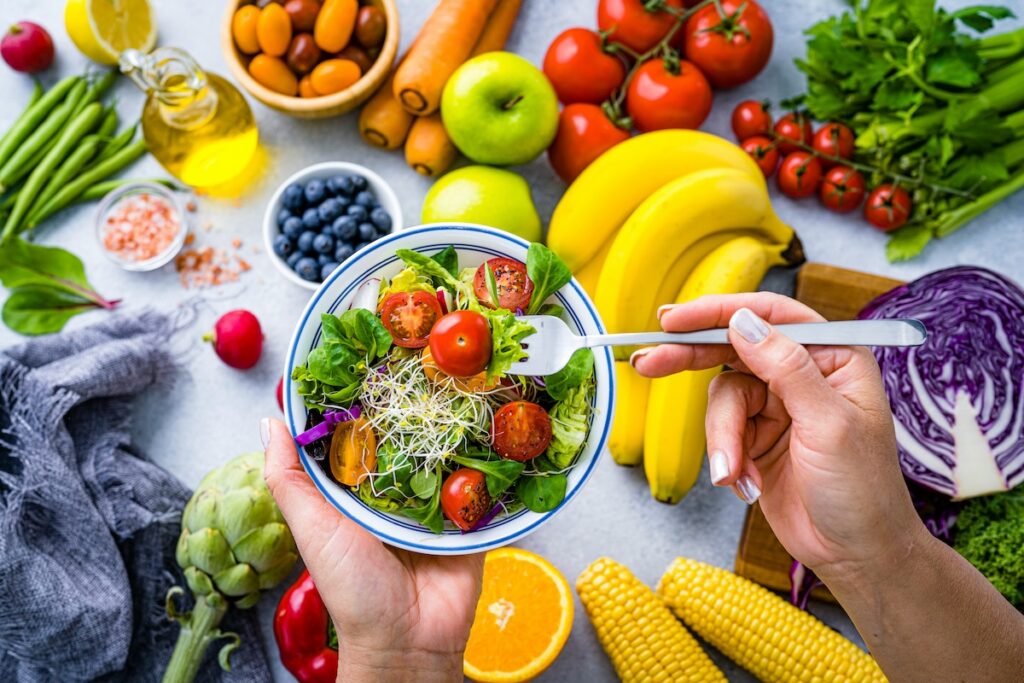
- Add fiber first. Studies show that whole-food sources of fiber like vegetables, fruits, and whole grains feed the gut bacteria required for the microbiome to thrive.
- Next, get fermented. Fermented foods come with beneficial gut bacteria which proliferate internally and restore gastrointestinal balance. You’re looking for plain yogurt, kefir, sauerkraut, or kimchi.
- Value variety. Your gut microbiome and immune system work similarly; mild to moderate levels of exposure to different stimuli strengthen the system. Even small quantities of the “worst” foods are tolerable stress tests. Try to get your daily fiber quota — the Mayo Clinic recommends 14 grams for every 1,000 calories you eat — from multiple different sources.
Frequently Asked Questions
The worst foods for gut health are fast food, ultra-processed grocery foods (like sausage, bacon, frozen dinners, etc), and alcohol.
Artificial sweeteners may harm gut bacteria, but there’s no clinical consensus yet. What data is available indicates a highly individual response. It’s something worth experimenting with, but shouldn’t be the first thing you cut out if you’re trying to improve your gut health.
Yes, fried food is bad for your gut if eaten habitually or to excess. A fried-food centric diet is often low in fiber content and too high in fat — a combination linked to higher levels of inflammation and lower microbial diversity.
Yes, most cases of gut damage are reversible. Your gut is a resilient ecosystem and responds acutely to what you provide it. Adding whole, fibrous foods into your diet and tightly restricting fatty or processed foods is your best line of defense.
Bottom Line on the Worst Foods for Gut Health
The worst foods for gut health have one thing in common: They’re low in fiber and high in added fats or sugars. However, you probably don’t need to eliminate these foods from your diet altogether to improve your gut health. Indulging here and there is one thing, but nutritious, high-fiber whole foods should be the backbone of how you eat.
Experts Who Contributed
- Jake Dickson BS-EXS, NASM-CPT, wrote this article.
- Lauren Keary, NASM-CNC, reviewed this article for accuracy.