Fibermaxxing — Hype or Healthy?

Curated Lifestyle/Unsplash
TikTok trends aren’t always grounded in science (or even common sense), but a recent one is actually good for you: fibermaxxing. The trend has gone viral well beyond TikTok, with coverage in all sorts of publications, including Food & Wine, Health, The New York Times, and Women’s Health. For once, nutrition experts and social-media influencers seem to be on the same page.
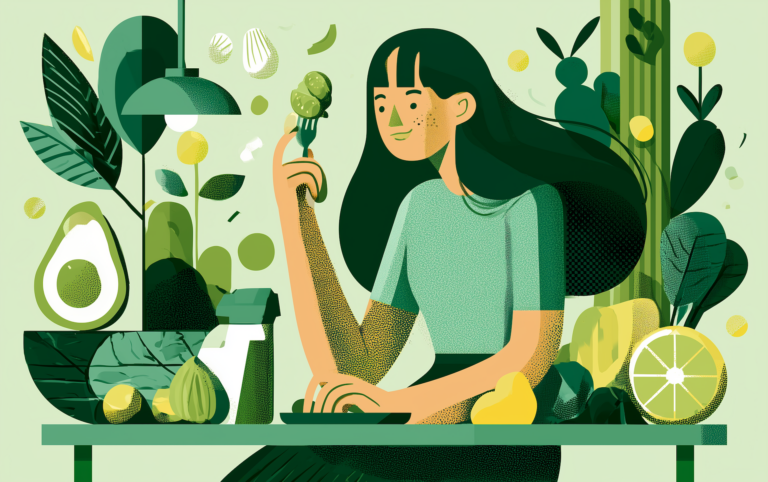
The Trend: The concept of fibermaxxing is pretty simple: eating more fiber. High-fiber diets aren’t new, but the buzzy name has given it a trendy rebrand. Generally speaking, most of us could stand to eat more fiber. A whopping 90% of women and 97% of men, in fact, don’t eat nearly enough. According to the 2020–2025 Dietary Guidelines for Americans, women up to age 50 should get at least 25 grams per day. Men up to age 50 should get at least 31 grams per day (though some recommendations put this figure at 38 grams). Whole grains, avocado, popcorn, lentils, beans, raspberries, peas, almonds, and chia seeds are all packed with fiber.
What People Are Saying: Nutrition experts are on board. Fiber has a laundry list of health benefits. It’s important for heart and digestive health. It can stabilize blood sugar levels and reduce “bad” LDL cholesterol. Eating enough fiber can lower the risk of cardiovascular disease, type 2 diabetes, colorectal and other cancers. It can also help with weight loss, as it keeps you full for longer.
What to Know: There’s a catch: Eating too much fiber — especially if your body isn’t used to it — can cause bloating, gas, abdominal pain, diarrhea, and constipation. Nutrition experts recommend increasing your fiber intake gradually and drinking lots of water to prevent unpleasant side effects.